
The Kid
Does this age rating seem accurate to you?
Detailed parental analysis
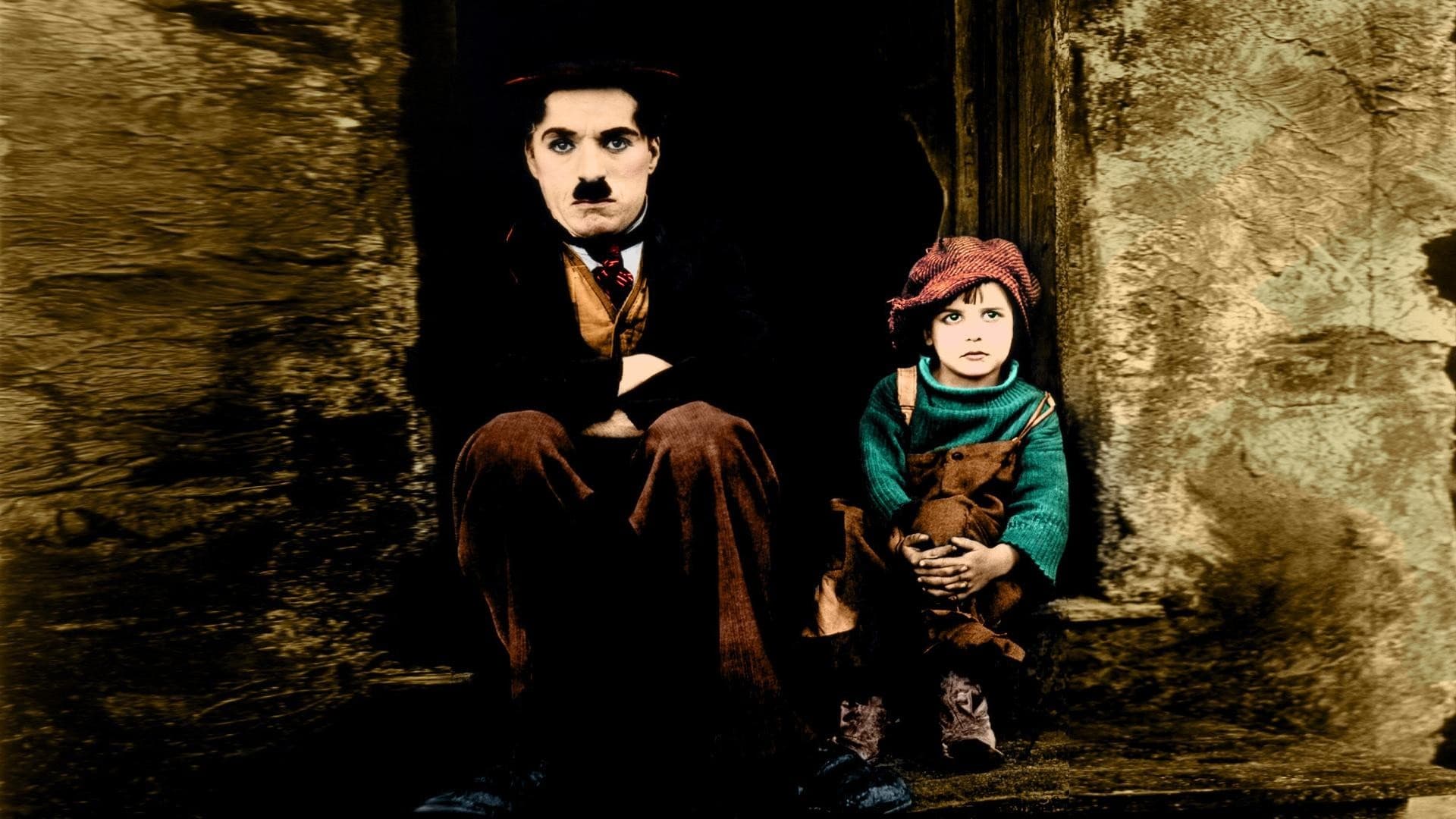
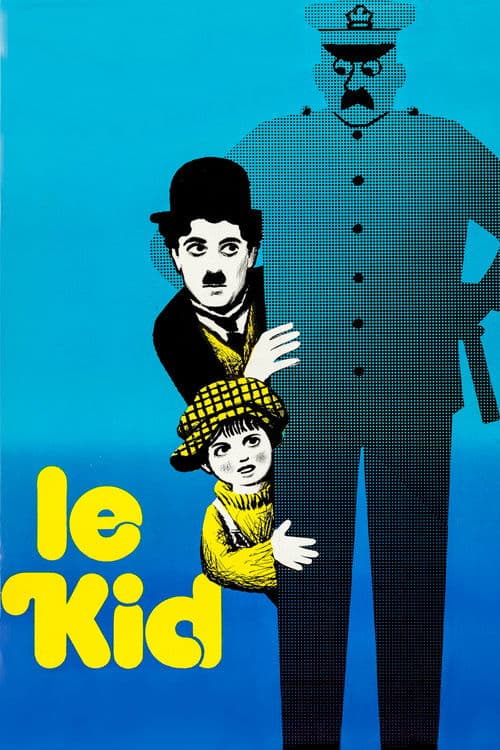
The Kid is a silent comedy-drama with a tone that blends slapstick and genuine emotion, oscillating between laughter and tears with remarkable fluidity. The plot follows a penniless vagrant who takes in an abandoned infant and raises him as his own son, until the day their bond is threatened by the authorities. The film is primarily aimed at a broad family audience, but its silent form and emotional intensity make it better suited to children from age 7 onwards, accompanied by an adult.
Parental and Family Portrayals
The heart of the film is a father-son relationship of rare tenderness, built between a man without resources and an abandoned child. The vagrant embodies an unexpected paternal figure: affectionate, protective, inventive, he compensates for poverty through ingenuity and love. The scene in which social services tear the child away from this man is the most harrowing in the film and can provoke tears in young viewers. As a counterpoint, the biological mother is presented as incapable of raising her child alone, reflecting a dated view of single-parent, female-headed families that deserves to be named and discussed with children. The film thus poses a concrete question: what makes a good parent, blood ties or daily love?
Underlying Values
The narrative strongly values the generosity and dignity of poor people, showing that a vagrant can be an exemplary father despite his destitution. There is, however, an assumed moral tension: the vagrant involves the child in a small scheme consisting of breaking windows and then offering to repair them for payment. The film does not explicitly condemn this practice, which makes it a useful point of discussion with children about the boundary between resourcefulness and dishonesty. The value of work and effort still comes through, and humour serves as a shield against the harshness of the world rather than minimising it.
Violence
The scenes of violence are entirely slapstick and designed to make people laugh: exaggerated street brawls, comic chases, a boxing match between children encouraged by adult spectators. None of these sequences is gory or genuinely threatening. The tone remains that of classical physical comedy, where blows do not really hurt. For very young children, some chases may nonetheless seem hectic, but the comic intent is always readable.
Social Themes
The film depicts with striking clarity the urban poverty of the early twentieth century: unsanitary housing, abandoned children, brutal intervention by social services in precarious families. These elements are not incidental; they form the moral backdrop of the narrative and give the film a real social dimension. It is a natural gateway to discussing inequality, precariousness and the role of institutions with a child.
Discrimination
The representation of the single woman with a child reflects the norms of 1921: the biological mother is shown as incapable of managing motherhood alone, and the narrative does not challenge this premise. This stereotype is structuring enough to deserve explicit mention to children, in order to contextualise the vision of the era without letting it pass as a universal truth.
Strengths
The Kid is a foundational work of comic cinema and one of the first feature films to marry slapstick and dramatic emotion with such mastery. The child's performance is of striking expressiveness, and the comic mechanics remain perfectly readable a century later. The silent film constitutes in itself a valuable cultural experience for children: it teaches them to read emotions on faces, to follow a narrative without dialogue and to understand that cinema existed long before sound. Its brevity, its pace and its emotional accessibility make it a rare pedagogical object, capable of opening a conversation about cinema history as much as about profound human questions.
Age recommendation and discussion points
The film is suitable from age 7 onwards, with parental guidance recommended for children under 10, particularly to explain the silent format and prepare children for the separation scene which can be emotionally intense. Two angles of discussion naturally present themselves after viewing: firstly, what gives a parent value, beyond money or social status; secondly, the small window-breaking scam, to reflect together on the boundary between getting by and deceiving others.
Synopsis
A tramp cares for a boy after he's abandoned as a newborn by his mother. Later the mother has a change of heart and aches to be reunited with her son.
Where to watch
Availability checked on Apr 28, 2026
About this title
- Format
- Feature film
- Year
- 1921
- Runtime
- 52m
- Countries
- United States of America
- Original language
- EN
- Directed by
- Charlie Chaplin
- Main cast
- Charlie Chaplin, Jackie Coogan, Carl Miller, Edna Purviance, Albert Austin, Beulah Bains, Nellie Bly Baker, Henry Bergman, Edward Biby, B.F. Blinn
- Studios
- Charles Chaplin Productions
Content barometer
- Violence1/5Mild
- Fear2/5A few scenes
- Sexuality0/5None
- Language0/5None
- Narrative complexity2/5Moderate
- Adult themes0/5None
Watch-outs
- Grief
- Death / grief
Values conveyed
- Courage
- Compassion
- love
- kindness
- resilience
- adoption