The Gruffalo
Does this age rating seem accurate to you?
Detailed parental analysis
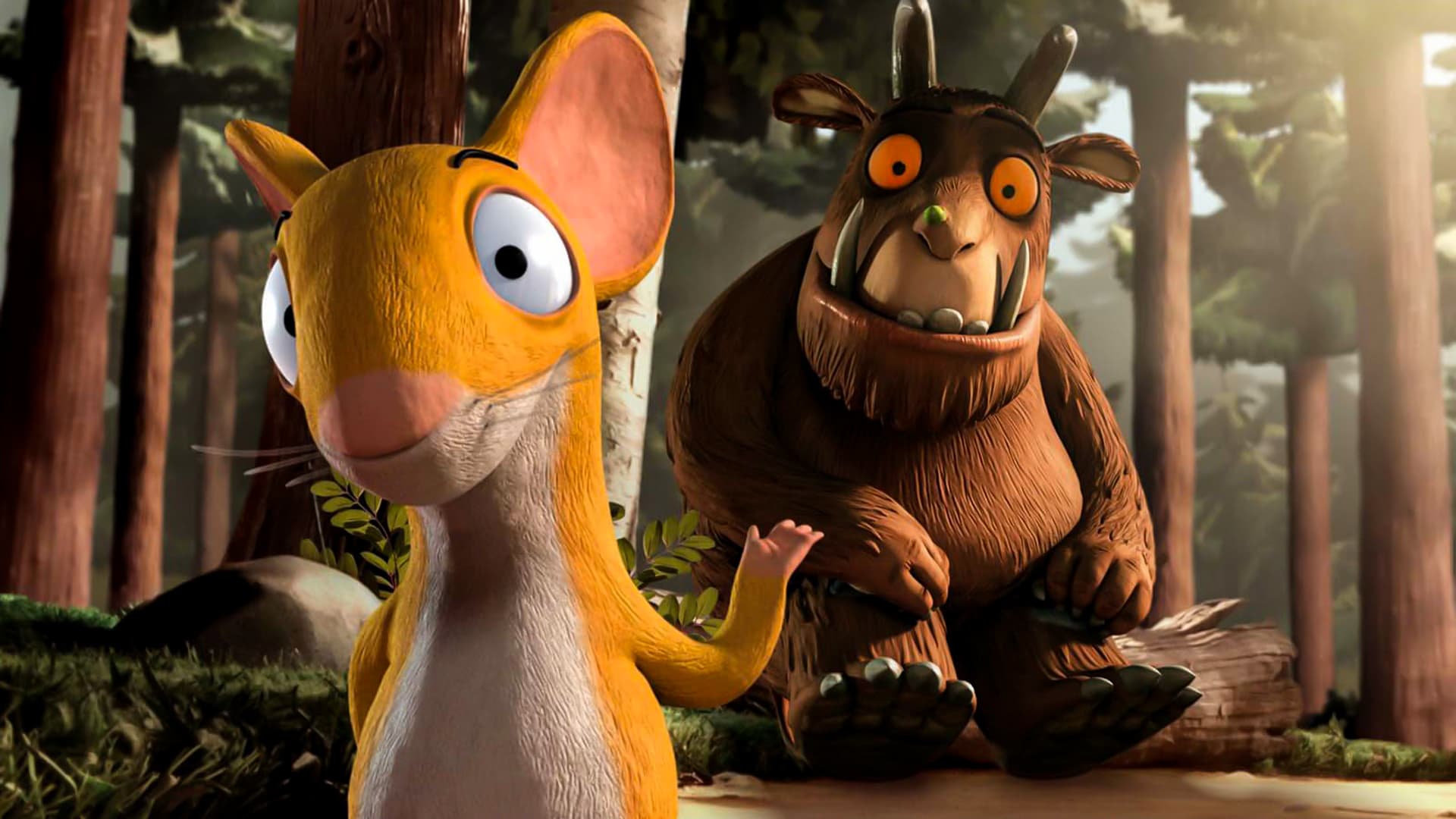
The Gruffalo is an animated short film with the atmosphere of a forest tale, blending humour and light tension within a dark and enchanting setting. A small mouse crosses a forest populated by predators by inventing an imaginary creature to keep them at bay, until the creature in question actually appears. The film is aimed at young children, with a runtime of twenty-seven minutes perfectly calibrated to their attention span.
Underlying Values
The narrative places intelligence and cunning at the heart of its storytelling mechanics: the mouse survives not through strength but through quick wit and the ability to turn situations to her advantage. This message is solid and consistent from beginning to end. It is accompanied, however, by a nuance worth not overlooking: the mouse deliberately lies, and these lies are presented as effective and legitimate solutions. The film never questions this dimension, which makes it a useful point for discussion with the child. The valorisation of ingenuity over brute force remains the dominant and positive message, but it is worth distinguishing with the child between defensive cunning in the face of danger and deception as a habit.
Violence
The violence is entirely symbolic and narrative: the predators want to eat the mouse, and the film shows this through imagined sequences in which the mouse sees herself devoured. These images remain stylised and brief, without gore or realism, but they may surprise the youngest or most sensitive children. The tense musical atmosphere reinforces the sense of danger in the dark forest. The resolution is always humorous and reassuring, which anchors the film in the register of fairy tale rather than horror film. For children aged four and above, this level of tension is generally well tolerated and forms part of the classical grammar of the tale.
Strengths
The film is a faithful and successful adaptation of Julia Donaldson's illustrated book, from which it retains the rhyming structure and repetitive rhythm that appeal so much to young children. The looped narration, with its progressive variations, develops in the child an active anticipation and a pleasure of recognition that sustains attention and comprehension. The character of the mouse is a rare example of a small and vulnerable protagonist who gets by through wit rather than luck or outside help, which gives her real identificatory value. The brevity of the film is a quality in itself for this audience, and its repetitive structure makes it particularly suited to multiple viewings without fatigue.
Age recommendation and discussion points
The film is suitable from age four onwards for relaxed viewing, with particular attention for very sensitive children for whom an advance reading of the book can reduce the shock effect of the tension scenes. After viewing, two angles of discussion are worth pursuing: asking the child whether the mouse was right to lie, and why, opens a natural conversation about the difference between defending oneself and deceiving others. You can also explore with her what it means to be brave when you are small.
Synopsis
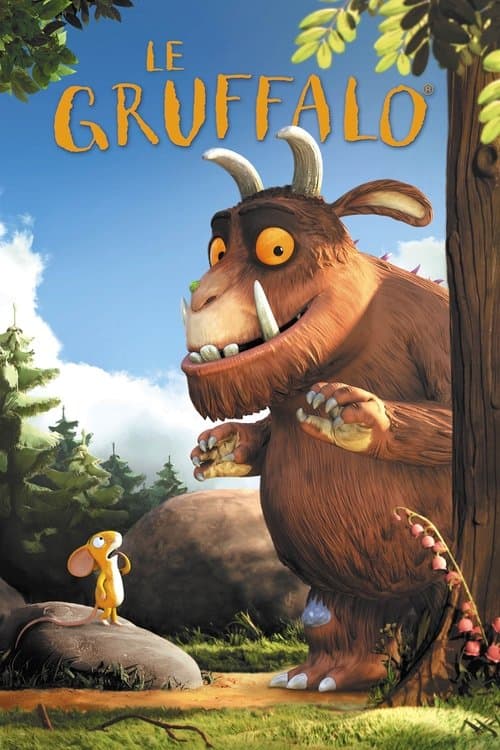
The magical tale of a mouse who sets foot on a woodland adventure in search of a nut. Encountering predators who all wish to eat him - Fox, Owl and Snake - the brave mouse creates a terrifying, imaginary monster to frighten them away. But what will the mouse do when he meets this frightful monster for real?
Where to watch
Availability checked on Apr 29, 2026
About this title
- Format
- Short film
- Year
- 2009
- Runtime
- 27m
- Countries
- United Kingdom, Germany
- Original language
- EN
- Directed by
- Jakob Schuh, Max Lang
- Main cast
- Helena Bonham Carter, Rob Brydon, Robbie Coltrane, James Corden, John Hurt, Tom Wilkinson
- Studios
- Magic Light Pictures, Orange Eyes, Studio Soi
Content barometer
- Violence1/5Mild
- Fear2/5A few scenes
- Sexuality0/5None
- Language0/5None
- Narrative complexity0/5Simple
- Adult themes0/5None
Watch-outs
Values conveyed
- Courage
- Acceptance of difference
- Perseverance
- Autonomy
- cleverness
- resilience
- imagination