
The Grinch
Does this age rating seem accurate to you?
Detailed parental analysis
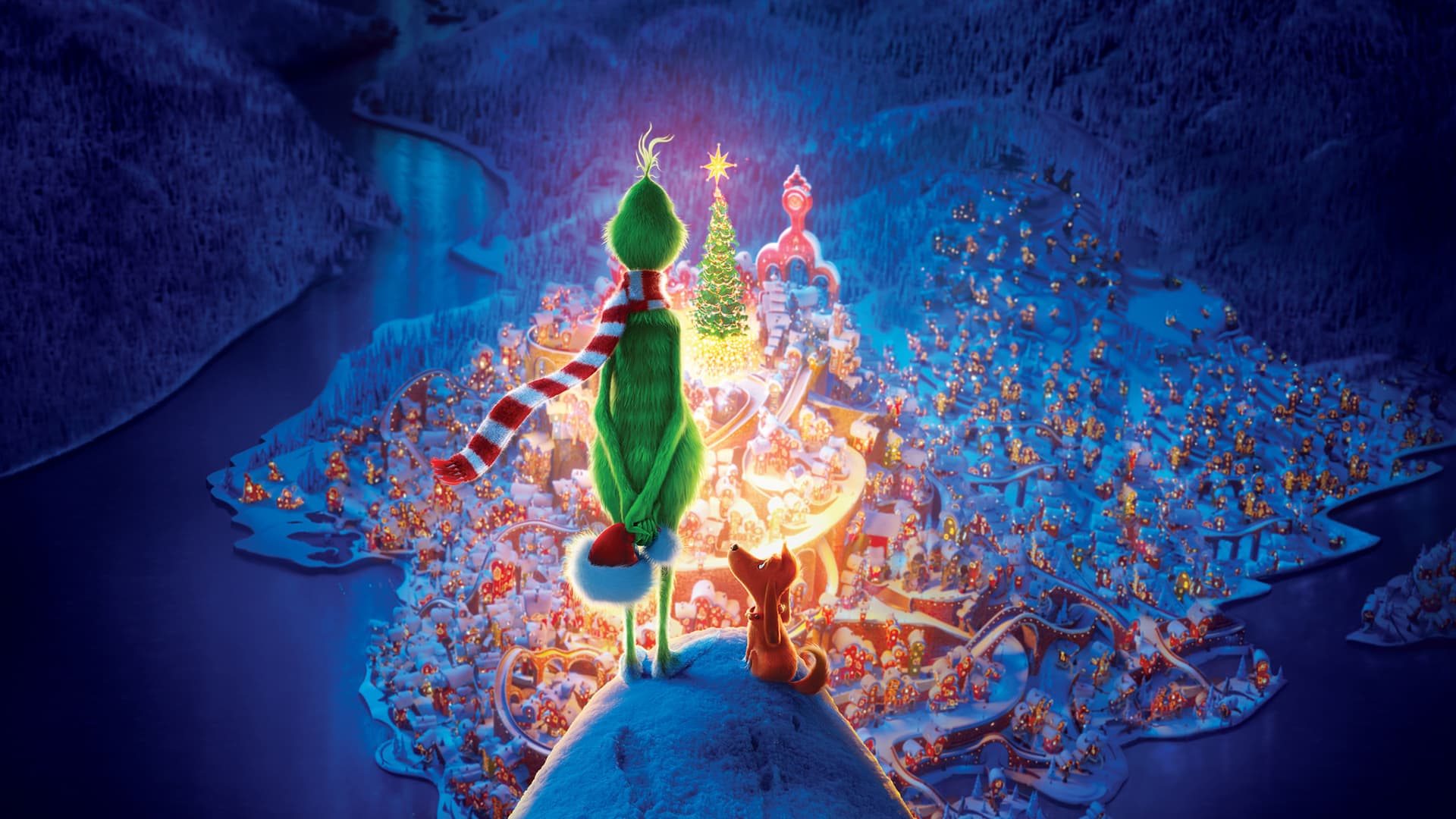
The Grinch is a family animated comedy with a colourful and festive atmosphere, driven by generous slapstick humour and a warm aesthetic. A grumpy and solitary hermit devises a plan to steal Christmas from his neighbouring village, before encountering a determined little girl who shakes his convictions. The film is aimed primarily at children from 5 or 6 years old and their families, with enough accessible humour for collective viewing.
Underlying Values
The film carries an explicit critique of Christmas consumerism: the village inhabitants accumulate gifts and decorations to excess, and this frenzy is presented as hollow. The Grinch's redemption comes through understanding that the celebration holds affective rather than commercial value, which forms the central message of the narrative. In parallel, the film develops a strong theme around social exclusion: the loneliness and rejection experienced by the Grinch in his childhood explain without entirely excusing his aggressiveness towards the community, offering a useful entry point for discussing the origins of antisocial behaviour. Cindy's arc, the little girl who seeks to help her exhausted mother, introduces a value of concrete and touching mutual support. These messages are formulated clearly but without excessive subtlety, making them accessible to young children whilst remaining open to discussion with older ones.
Parental and Family Portrayals
Cindy's mother is represented as a loving but overwhelmed figure, raising her children alone with courage and without visible bitterness. Her partial absence is the driving force behind her daughter's quest, without the film dwelling on family structure. It is a positive and dignified representation of single parenthood, which may resonate with children living in similar situations.
Violence
Violence is limited to slapstick sequences and pratfalls: falls, catapults, comic accidents and elaborate chases. The Grinch is briefly in danger during a mountain scene with his sleigh, but the treatment remains resolutely humorous and without genuine dramatic tension. No realistic violence, no serious consequences shown. For very young children, these scenes may cause a start but not lasting fright.
Strengths
The film adapts Dr. Seuss's classic work with honesty, adding a modest but effective psychological dimension to the Grinch character, whose painful past is sketched without descending into pathos. The visual humour is well-constructed, well-paced and often inventive, making the film enjoyable even for the adults accompanying children. Cindy's arc brings an emotional sincerity that balances the comedy and gives the film a grounding in real childhood concerns. The critique of consumerism, even softened compared to the original work, retains enough bite to fuel genuine conversation.
Age recommendation and discussion points
The film is suitable from 6 years old for peaceful viewing, and can be attempted from 5 years for children not sensitive to unsettling characters. Two angles merit being explored after viewing: ask the child why the Grinch became so lonely and aggressive, which opens a discussion about inclusion and the effects of rejection; and return to the scene of gift accumulation in the village to question together what Christmas really means within the family.
Synopsis
The Grinch hatches a scheme to ruin Christmas when the residents of Whoville plan their annual holiday celebration.
About this title
- Format
- Feature film
- Year
- 2018
- Runtime
- 1h 45m
- Countries
- United States of America
- Original language
- EN
- Studios
- Illumination, Universal Pictures
Content barometer
- Violence1/5Mild
- Fear2/5A few scenes
- Sexuality0/5None
- Language0/5None
- Narrative complexity2/5Moderate
- Adult themes0/5None
Values conveyed
- Acceptance of difference
- Compassion
- Forgiveness
- kindness
- empathy
- family