The Fox and the Child
Does this age rating seem accurate to you?
Detailed parental analysis
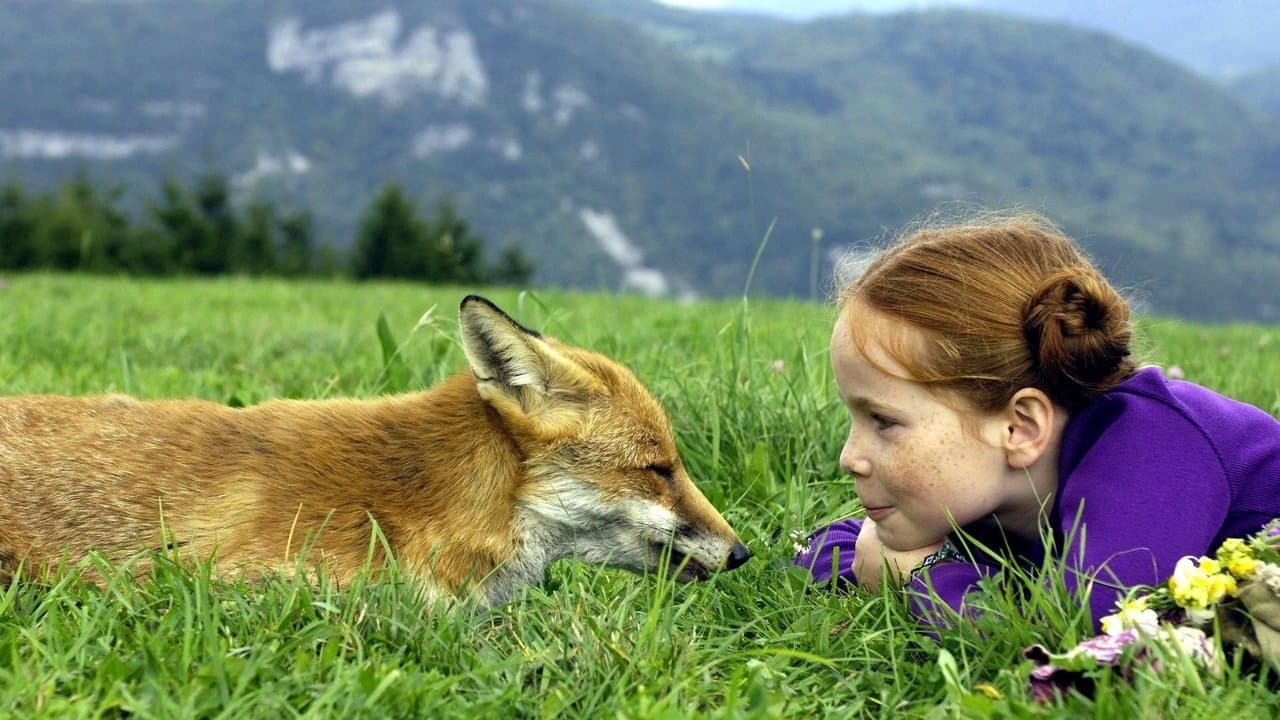
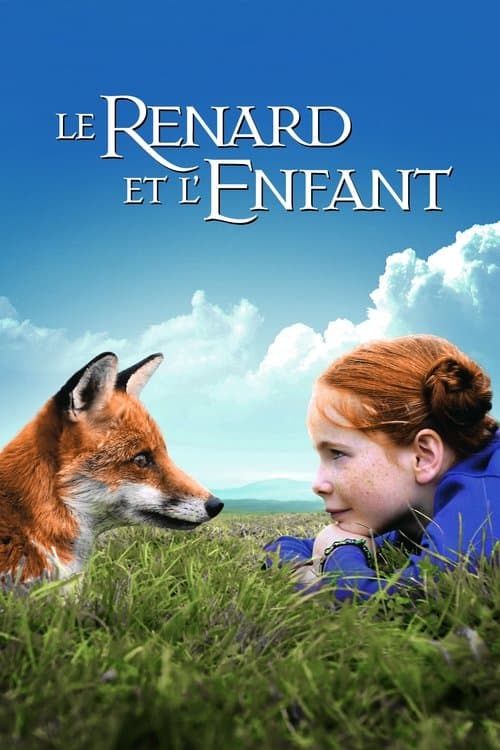
The Fox and the Child is a contemplative and poetic film, with a gentle atmosphere that gradually becomes melancholic, carried by images of wild nature of great beauty. A young girl forms a secret friendship with a wild fox over the course of the seasons, until this relationship reaches its natural limits. The film is primarily aimed at school-age children and their parents, but its slowness and emotional tone make it more accessible to children aged 7 and above than to very young children.
Violence
The film contains several scenes of animal violence whose intensity is real and unvarnished. A fox jumps against a closed window, finding itself covered in blood in a graphic scene that may traumatise sensitive children. One scene shows a fox dying after ingesting poisoned bait, illustrating without restraint the reality of fox persecution. Added to this are a threatening pack of wolves pursuing the girl, a lynx on the hunt, and a hawk attacking a fox cub as well as the child herself. The girl breaks her leg fleeing the wolves. These sequences are not gratuitous: they serve the film's purpose in conveying the dangers of the wild world and the consequences of attempting to domesticate what cannot be domesticated. But their accumulation and realism make this a film that requires careful preparation with sensitive children.
Underlying Values
The film's structural message is clear and coherent: wild animals belong to nature and not to humans, and wanting to possess what one loves ultimately destroys it. The distinction between loving and possessing lies at the heart of the narrative, conveyed without excessive didacticism. The film also values patience, perseverance and silent observation as means of accessing the living world. It contains an implicit critique of fox eradication through poisoning, without ever veering into activism. The narrative structure, in which the girl grown to adulthood passes this story on to her own child, anchors these values in a logic of intergenerational transmission.
Parental and Family Portrayals
The girl's parents are almost absent from the narrative: she evolves alone in the forest, sometimes at night, without visible supervision. This total freedom is an assumed narrative choice that may give contemporary parents pause. It serves the film's purpose by placing the child in a direct and unmediated relationship with nature, but it does not constitute an educational model to follow. It is better to address this point with the child to avoid any confusion between the poetic freedom of the narrative and actual safety rules.
Social Themes
The film offers a discreet but genuine perspective on the relationship between humans and the wild world, and on the practices of predator destruction. The scene of the poisoned fox anchors the narrative in a concrete ecological reality, that of the legal or tolerated persecution of foxes in rural areas. Without being an activist film, it naturally opens a conversation about respect for wildlife and what it means to coexist with animals that do not belong to us.
Strengths
The film offers exceptional nature photography, with shots of the seasons, forests and wild animals that constitute in themselves a rare visual experience for a child. The voice-over narration, carried by the girl grown to adulthood, gives the narrative a temporal depth and melancholic gentleness that elevates the film above a simple animal tale. The relationship between the child and the fox is constructed with a patience and precision that avoid easy sentimentality. The film has the rare quality of treating children as capable of bearing a difficult truth, namely that love is not enough to abolish the freedom of the other.
Age recommendation and discussion points
The film is not recommended for children under 7 years old, and parental accompaniment is strongly recommended up to 9 or 10 years old, particularly to prepare sensitive children for the dramatic ending and scenes of animal violence. Two angles of discussion are essential after viewing: why was the girl unable to keep the fox with her, and what is the difference between loving someone and wanting to possess them? You can also ask the child what they think of the poisoned fox scene, to open a conversation about how humans treat wild animals.
Synopsis
A young girl of about 10 years lives in a solitary peasant's house on the edge of the jurassic mountains in the East of France. One day in autumn, when she is on her way to school through the forest, she observes a hunting fox. Of course, the fox flees from her, but the girl feels a strong desire to meet the fox again.
Where to watch
Availability checked on Apr 29, 2026
About this title
- Format
- Feature film
- Year
- 2007
- Runtime
- 1h 32m
- Countries
- France
- Original language
- FR
- Directed by
- Luc Jacquet
- Main cast
- Bertille Noël-Bruneau, Isabelle Carré, Thomas Laliberté, Camille Lambert
- Studios
- Bonne Pioche Productions, France 3 Cinéma
Content barometer
- Violence3/5Notable
- Fear3/5Notable tension
- Sexuality0/5None
- Language0/5None
- Narrative complexity1/5Accessible
- Adult themes0/5None
Watch-outs
- Death
- Violence
Values conveyed
- Acceptance of difference
- Perseverance
- Compassion
- Autonomy
- nature
- wonder
- respect
- patience