
The Emperor's New Groove
Does this age rating seem accurate to you?
Detailed parental analysis
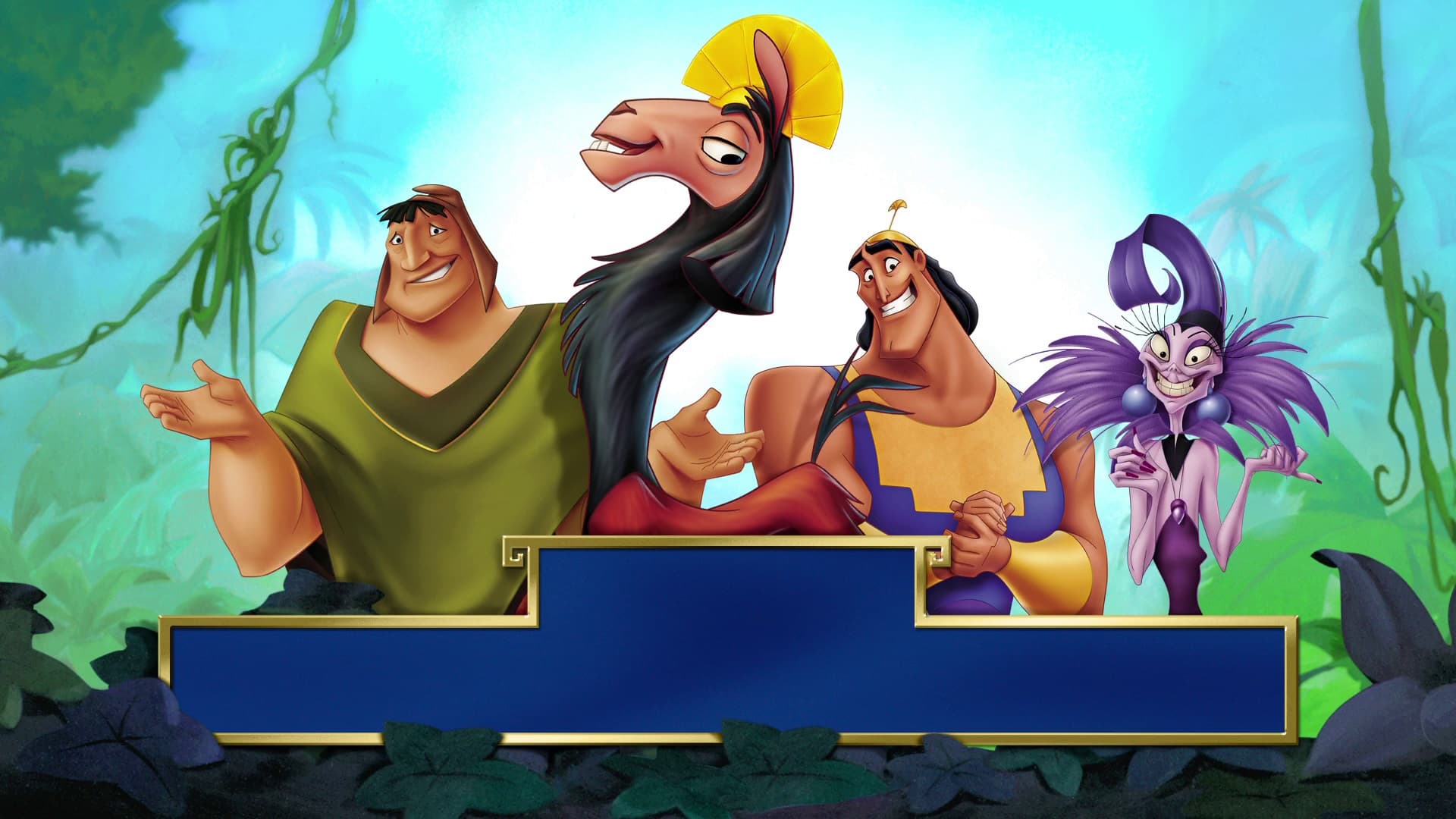
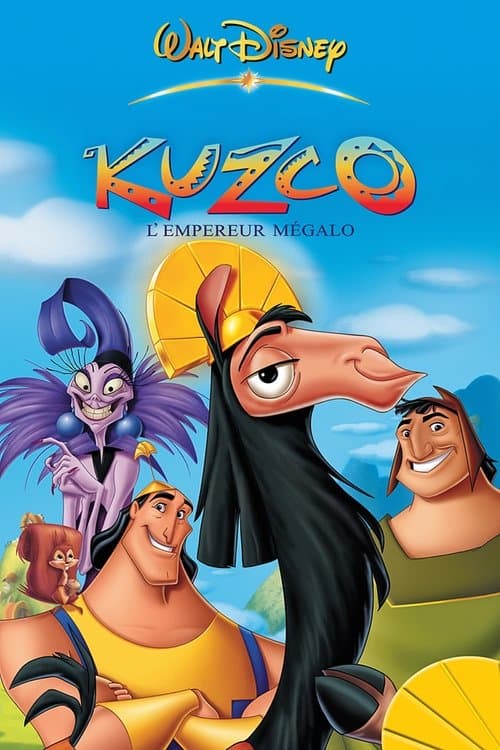
The Emperor's New Groove is a Disney animated comedy with a decidedly offbeat, burlesque and irreverent tone, driven by absurd humour and a frantic pace. The plot follows a young, arrogant emperor who, transformed into a llama by his vindictive adviser, must team up with a humble peasant to reclaim his throne and human form. The film targets school-age children and their parents, with a comic register sophisticated enough to appeal to both.
Underlying Values
The narrative is entirely built around the fall of an outsized ego and redemption through encounter with the other. Kuzco initially embodies a caricatural form of absolute privilege: indifference to others, contempt for the weak, the use of wealth as divine right. His narrative arc is that of a character forced to unlearn what he believes himself to be. The message is structurally sound: arrogance leads to isolation, consideration for others to reciprocity. What the film handles with less rigour is the speed of this transformation, which risks giving the impression that a single adventure is enough to change fundamentally. It is a good starting point for discussing with a child what it truly means to change.
Discrimination
The film is set in a world inspired by the Inca empire, but this backdrop is merely decoration: cultural references are mixed without coherence, main characters are voiced by actors with no connection to this culture, and the film makes no effort at historical grounding or faithful representation. Yzma, the only woman in power, is treated as a caricature of the ageing, cruel woman, with recurring comments on her physical appearance presented as a source of comedy. Pacha, a positive figure, is associated with a woman confined to a domestic and maternal role. These representations are never questioned by the narrative: they deserve to be named with a child or teenager, without dramatising, to develop a critical eye towards what the film presents as self-evident.
Violence
Violence is entirely comedic and slapstick: pot-strikes, lightning, falls, caricatural animal attacks. It produces no lasting injuries and holds no anxious charge for a school-age child. A few sequences of peril are more sustained, notably pursuits by jaguars, scenes of rapids infested with crocodiles and scorpion attacks, but the treatment remains resolutely comic and never violent in the proper sense. The attempted poisoning of the main character constitutes the film's most serious moment, but it is quickly defused by the overall tone.
Parental and Family Portrayals
Pacha and his wife embody a warm, solidaristic family model rooted in logic of unconditional generosity. Kuzco, for his part, is orphaned from any positive parental figure, which partly explains his lack of emotional bearings. Pacha's family functions as an effective moral counterpoint to the protagonist's individualism, even if the distribution of roles between the two adults remains very traditional.
Language
The film's tone is resolutely sarcastic, and the main character employs an irony sometimes condescending which can be catching for young viewers. A profanity is briefly visible in letters among debris on screen, without being spoken or highlighted. The register remains globally appropriate, but Kuzco's systematic sarcasm deserves to be noted with a child: humour at the expense of others is presented as cool here, which is not a value to let pass without comment.
Strengths
The film is a frank comic success, with a sense of rhythm, absurdity and self-deprecation rather rare in family animation of that era. The character of Kronk, bumbling and kind henchman, is of remarkable comic effectiveness and brings genuine tenderness to the narrative. The narrative structure, centred on an unlikely duo, works well and allows for real emotional progression despite the light tone. The film fully assumes its burlesque choices and does not seek to mask its primary intention: to make people laugh. This formal honesty is itself a quality.
Age recommendation and discussion points
The film is suitable from age 6 for children with supervision, and fully accessible from age 7-8 without major reservation. After viewing, two angles deserve to be opened: why making fun of someone's appearance is not neutral humour, even in a cartoon, and what truly changing behaviour means in relation to what Kuzco experiences in the story.
Synopsis
Emperor Kuzco is turned into a llama by his ex-administrator Yzma, and must now regain his throne and his human form with the help of Pacha, a gentle llama herder.
About this title
- Format
- Feature film
- Year
- 2000
- Runtime
- 1h 19m
- Countries
- United States of America
- Original language
- EN
- Studios
- Walt Disney Feature Animation, Walt Disney Pictures
Content barometer
- Violence2/5Moderate
- Fear2/5A few scenes
- Sexuality0/5None
- Language1/5Mild
- Narrative complexity1/5Accessible
- Adult themes0/5None
Watch-outs
- Gender stereotypes
Values conveyed
- Compassion
- Forgiveness
- friendship
- empathy
- humility
- family