The Eagle Huntress
Does this age rating seem accurate to you?
Detailed parental analysis
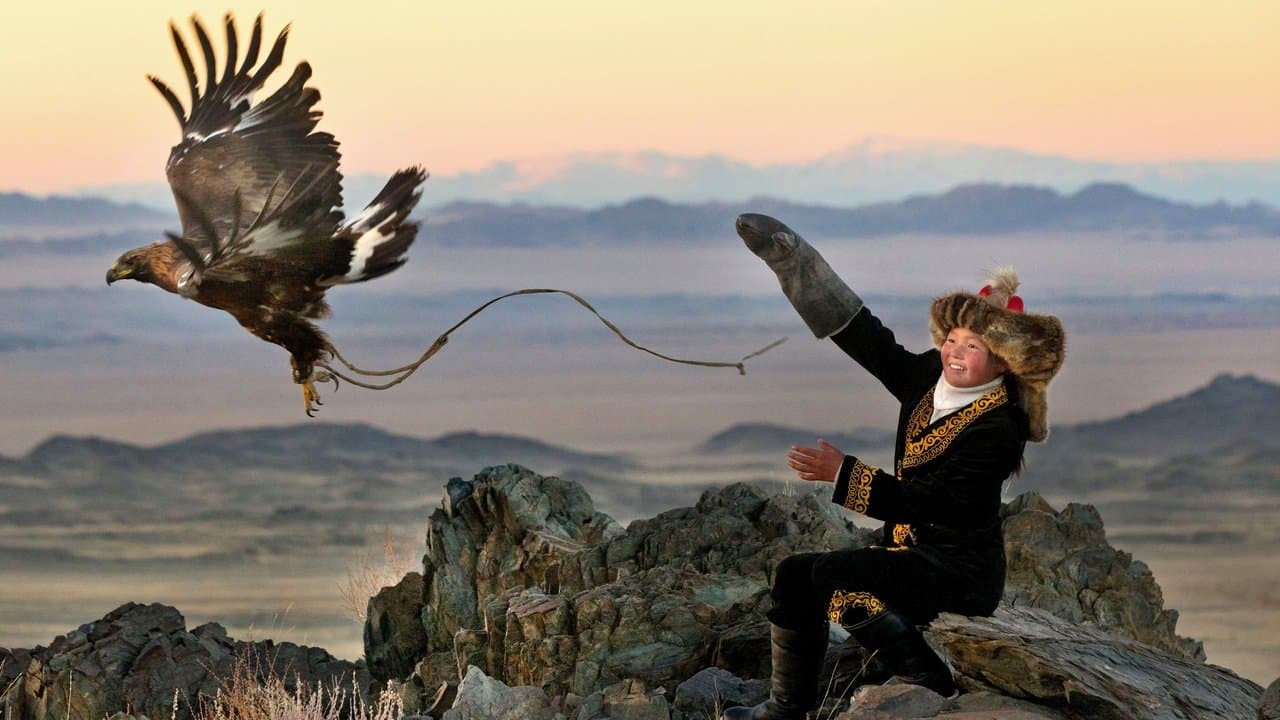
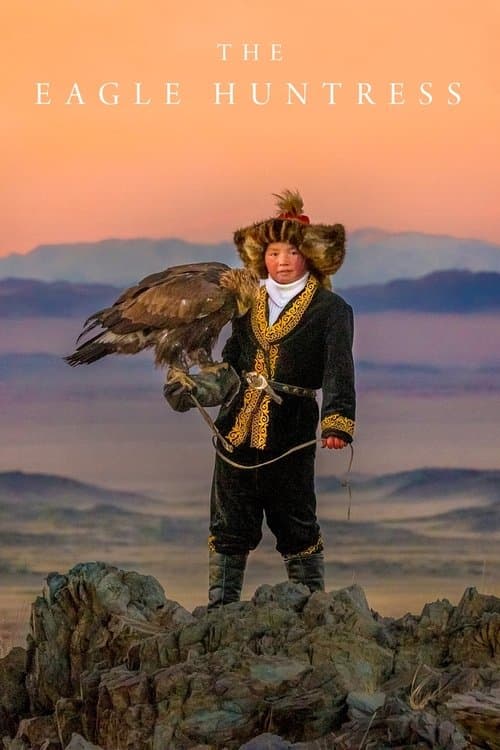
The Eagle Huntress is a contemplative and luminous documentary, filmed in the snow-covered steppes of Mongolia, which radiates an atmosphere that is both epic and intimate. It follows Aisholpan, a thirteen-year-old Kazakh girl, in her quest to become an eagle huntress in a tradition that has been exclusively male for centuries. The film is primarily aimed at children from ten years old and upwards, and at teenagers, but it also resonates fully with adults.
Underlying Values
The film builds its narrative around a central conviction: determination and hard work make it possible to overcome inherited social barriers. This meritocracy is presented in an optimistic way, almost without shadow, which makes it a powerful but slightly idealised message. Aisholpan's success is carried by exceptional family support, and the film does not hide the fact that this backing is a determining condition for her success, which intelligently nuances the myth of the individual standing alone against all. Perseverance and courage are valued without ever tipping into the glorification of performance at any cost.
Parental and Family Portrayals
The father-daughter relationship is the true emotional heart of the film. Aisholpan's father is portrayed as a model of unconditional support: he passes on his knowledge, defends his daughter against the elders of the community and believes in her without reservation. This paternal figure is rare and deserves to be highlighted, as it offers a representation of benevolent and pedagogical masculinity. The mother is more in the background but present, and the family unit appears stable and loving. It is a family portrait that can nourish a fine conversation about what it means to support a child in their ambitions.
Discrimination
The film addresses head-on the question of the exclusion of women from an ancestral tradition. The elders of the community express their scepticism clearly, even their opposition, to a girl practising eagle hunting. This resistance is shown without caricature: it is presented as the reflection of a living culture, not as a villainy. The film does not condemn tradition wholesale but shows how it can evolve from within. This is a valuable pedagogical angle for discussing with a child the difference between respecting a culture and accepting all its constraints.
Violence
The film contains hunting scenes in which the eagle captures and kills foxes in the snow. These sequences are filmed without indulgence but without evasion either: we see the animal die, carcasses carried on saddles, and hides being prepared. The violence is that of nature and of a subsistence practice, never gratuitous or aestheticised for a thrill. For a sensitive or very young child, these images can be disturbing. For a child of ten years and older, they offer an opportunity to talk about the relationship to animal death, to hunting and to traditional ways of life.
Social Themes
The film gives a view of a nomadic way of life and a Kazakh culture of Mongolia that is little represented on screen, with its rituals, its landscapes, its relationship to nature and to animals. Without ever slipping into folkloric exoticism, it conveys a concrete and living cultural reality. The question of the intergenerational transmission of a threatened skill runs discreetly through the entire narrative.
Strengths
The film offers sumptuous cinematography of the snow-covered Mongolian landscapes, which gives the narrative an epic dimension without artifice. The documentary structure is conducted with a sense of narrative rhythm that is rare in the genre: we follow a real dramatic progression, with clear stakes and authentic mounting tension. The relationship between Aisholpan and her eagle is filmed with a patience and sensitivity that make the complicity between the human and the animal palpable. From a pedagogical standpoint, the film is a remarkable gateway to a little-known culture, a reflection on traditions and their capacity to evolve, and a concrete illustration of what it means to learn something difficult with rigour and humility.
Age recommendation and discussion points
The film is accessible and recommended from ten years old onwards, without major reservations for children of this age and beyond. Two angles of discussion are worth opening after viewing: ask the child what they think of the father's role in Aisholpan's success, and whether the same story would have been possible without this support; and explore with them the tension between respecting a tradition and questioning it when it unjustly excludes.
Synopsis
Follow Aisholpan, a 13-year-old girl, as she trains to become the first female in twelve generations of her Kazakh family to become an eagle hunter, and rise to the pinnacle of a tradition that has been typically been handed down from father to son for centuries.
About this title
- Format
- Feature film
- Year
- 2016
- Runtime
- 1h 27m
- Countries
- Mongolia
- Original language
- EN
- Directed by
- Otto Bell
- Main cast
- Daisy Ridley, Nurgaiv Aisholpan, Nurgaiv Rys, Alma Dalaykhan, Bosaga Rys
- Studios
- Kissaki Films, Stacey Reiss Productions, Shine Global
Content barometer
- Violence2/5Moderate
- Fear1/5Mild
- Sexuality0/5None
- Language0/5None
- Narrative complexity1/5Accessible
- Adult themes0/5None
Watch-outs
Values conveyed
- Courage
- Perseverance
- tradition
- family