The Desert Child
Does this age rating seem accurate to you?
Detailed parental analysis
Child of the Desert is a contemplative adventure film with fairy-tale undertones, bathed in the luminous and inhospitable expanses of the Sahara. The story follows a very young child separated from his family during a sandstorm, forced to survive and find his way in a wild environment. The film is aimed primarily at children from six or seven years old and their families, with an atmosphere that oscillates between wonder and gentle tension.
Underlying Values
The film articulates its narrative around three strongly affirmed values: oral and memorial transmission between generations, family belonging as an anchor of identity, and the human capacity to survive in harmony with nature rather than against it. The ecological message about the protection of the desert and its wildlife is not incidental but structuring, integrated into the narrative progression rather than tacked on as a conclusion. These values are presented in a positive and coherent way, without cynicism or internal contradiction, which makes them accessible to young viewers but also worthy of in-depth discussion with an inquisitive child.
Social Themes
The ecological dimension and the representation of Saharan natural and cultural heritage occupy a central place. The film explicitly defends the necessity of preserving fragile ecosystems and an oral heritage threatened with disappearance. It is a solid entry point for discussing with a child the relationship between human societies and their environment, and the role of traditional narratives in the transmission of identity. One point of nuance deserves to be raised as a family: the film is presented as based on a true story, but this claim rests on an oral tradition without possible documentary verification, which makes it more of a legend than an attested fact. Addressing this distinction honestly with the child enriches the viewing experience rather than diminishing it.
Parental and Family Portrayals
The separation between the child and his family constitutes the emotional driving force of the film. The parental figures are not dysfunctional or absent through neglect but separated from the child by circumstances, which avoids any ambiguity about the value of family in the narrative. The family bond is instead presented as the thread that guides the character's actions and choices throughout the story. For younger viewers, the separation scene can generate real anxiety, linked to the universal fear of being lost or abandoned.
Strengths
The film makes remarkable visual use of the desert setting, with cinematography that transforms the Sahara into a character in its own right, oscillating between striking beauty and silent threat. The performance of the young actors is noted as emotionally true, without sentimentality. The narrative possesses the structure of an ancient initiatory tale, with narrative clarity that works on multiple levels depending on the viewer's age. The way the film weaves together survival, collective memory and relationship to the animal offers rare pedagogical material, seldom treated with such simplicity in contemporary family cinema.
Age recommendation and discussion points
The film is suitable from six or seven years old, with parental accompaniment desirable for the youngest due to the tension relating to separation and desert danger. Two angles of discussion open naturally after viewing: asking the child why the stories that families and peoples tell themselves have value, even when we cannot prove them, and reflecting together on what it means to care for a place or an animal that we do not own.
Synopsis
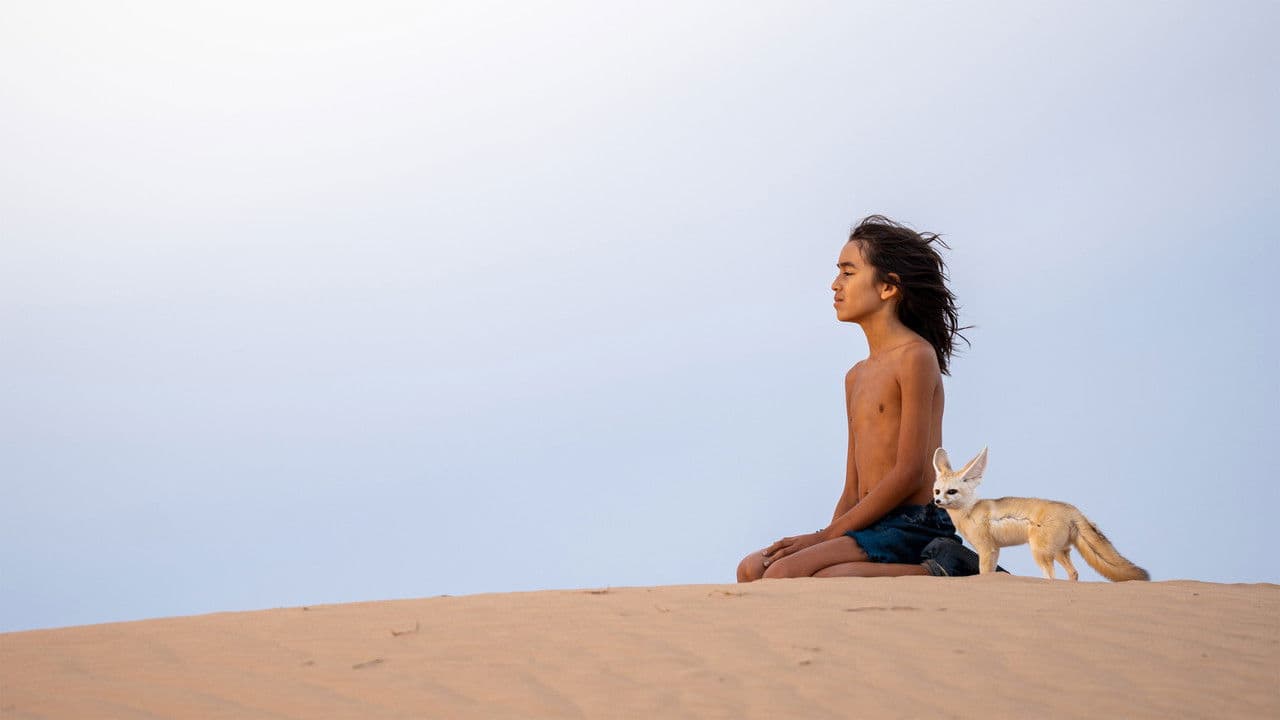
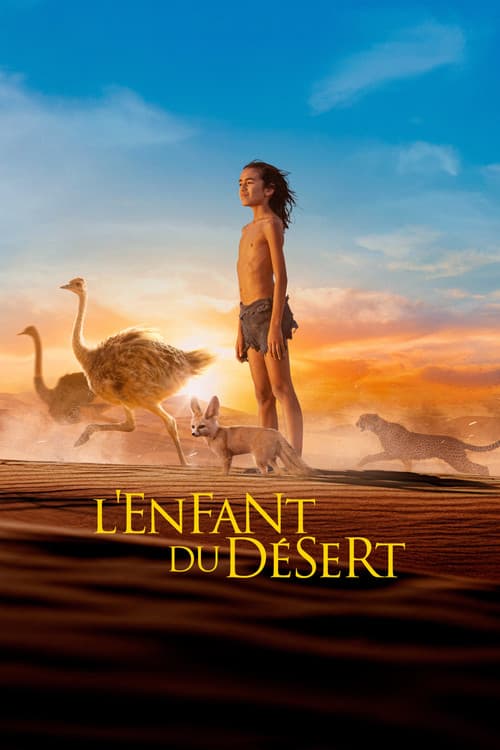
14-year-old Sun has written and successfully published a story based on an incredible story told by her late grandfather about a wild child called Hadara, who is saved by a group of ostriches when he becomes separated from his family in a storm, and is then raised in the desert amid a host of wild animals, including his best friend, a desert fox. When Sun is invited to travel to the Sahara by a local community who has heard about her book, she meets Kharouba, a Nomad girl of her own age, and realizes there may be much more to Hadara than just a character in a bedtime story.
About this title
- Format
- Feature film
- Year
- 2026
- Runtime
- 1h 32m
- Countries
- France, Belgium
- Original language
- FR
- Directed by
- Gilles de Maistre
- Main cast
- Kev Adams, Nahel Tran, Nahïl Bouazzaoui, Neige de Maistre, Adriane Gradziel
- Studios
- Mai Juin Productions, StudioCanal, uMedia
Content barometer
- Violence1/5Mild
- Fear2/5A few scenes
- Sexuality0/5None
- Language0/5None
- Narrative complexity1/5Accessible
- Adult themes0/5None
Values conveyed
- Courage
- Acceptance of difference
- Perseverance
- Loyalty
- resilience
- interspecies friendship
- curiosity
- family legacy
- connection with nature
- quest for identity