The Christmas Tree
Does this age rating seem accurate to you?
Detailed parental analysis
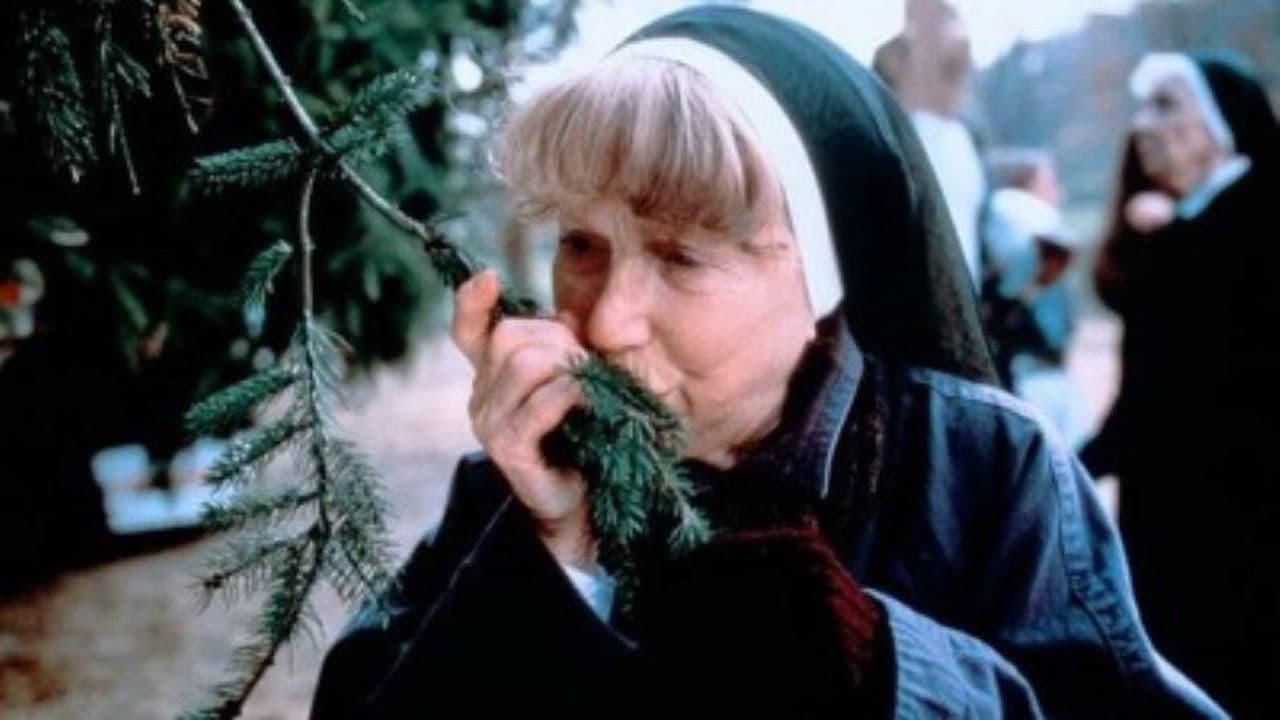
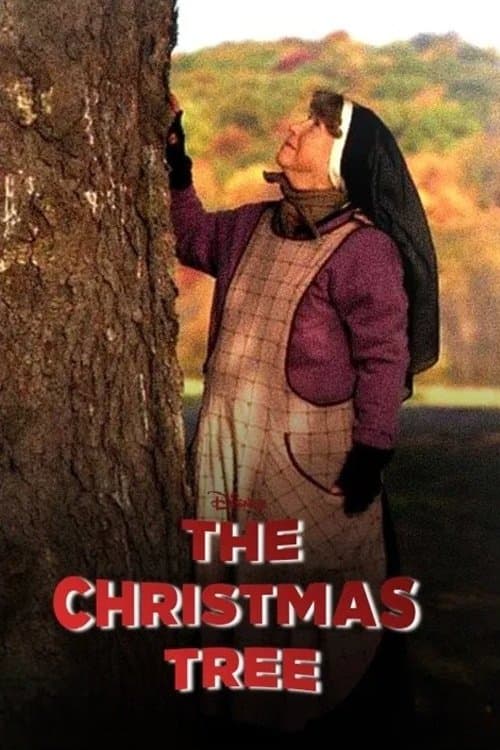
The Christmas Tree is a family Christmas television film with a gentle and melancholic atmosphere, produced by Walt Disney Television for prime-time broadcast on a major American network. The plot follows an elderly nun whose old Christmas tree, a lifelong companion, faces the threat of being felled, and the unexpected relationship she forges with a young gardener to protect it. The film targets a broad family audience, from children aged seven or eight upwards to adults, with stronger emotional resonance for the latter.
Underlying Values
The film constructs its entire emotional arc around a central question: can one learn to let go of what has defined us, even at the cost of genuine pain? The relationship between Sister Anthony and the tree functions as an explicit symbol of lost childhood and impossible grief. The film does not judge this attachment; it accompanies it with kindness towards a resolution that values sharing and generosity over possession. The intergenerational friendship between the elderly nun and the young gardener carries a complementary message about transmission and trust extended to another despite the age difference. Nature is treated as a legitimate affective partner, without falling into activist discourse.
Parental and Family Portrayals
Sister Anthony's personal history is rooted in an orphaned past, and it is this original absence of family that explains the intensity of her attachment to the tree. The film handles this background with restraint, through sober flashbacks, but it clearly posits childhood abandonment as a wound that structures an entire life. For a child from a complicated family context, this motif can resonate unexpectedly and merits anticipation by the parent.
Social Themes
The protection of a centuries-old tree in the face of competing interests offers a gentle entry point into the question of the relationship between human development and the preservation of living things. The film does not politicise the subject, but it establishes the affective and symbolic legitimacy of a bond to nature as a valid argument against purely practical logic. It is a simple and concrete hook for beginning a conversation about the environment with a child.
Strengths
The film derives its coherence from the economy of its means: it chooses a narrow, almost chamber-like narrative and invests genuine emotional sincerity in it rather than pursuing easy spectacle effects. The construction of the bond between the old sister and the gardener is conducted with a delicacy that avoids crude sentimentality, even though the film remains openly tear-jerking. The figure of the satchel, kept for sixty-five years and filled with leaves and acorns, is a modest yet just narrative find that materialises a character's inner life without reducing them to their words. For an inquisitive child, it is also a natural introduction to the idea that objects can carry stories.
Age recommendation and discussion points
The film is suitable from age seven or eight onwards, with parental accompaniment recommended for younger viewers who might be surprised by the emotion or unsettled by the orphanage theme. Two angles of discussion naturally open after viewing: why is it so difficult to part with something one loves, and what becomes of an object or a being when one entrusts it to someone else?
Synopsis
A story about a forming friendship between an elderly nun, Sister Anthony, and New York's Rockefeller Center's head landscape architect Richard Reilly, who wants to fell a tree she's been growing for decades and move it to New York for Christmas display.
About this title
- Format
- Feature film
- Year
- 1996
- Runtime
- 1h 33m
- Countries
- United States of America
- Original language
- EN
- Studios
- Fogwell Films, Walt Disney Television
Content barometer
- Violence0/5None
- Fear1/5Mild
- Sexuality0/5None
- Language0/5None
- Narrative complexity3/5Complex
- Adult themes0/5None
Watch-outs
- Grief
- Death / grief
Values conveyed
- Friendship
- Compassion
- Loyalty
- Forgiveness
- family love
- generosity
- courage
- wonder