The Christmas Letter
Does this age rating seem accurate to you?
Detailed parental analysis
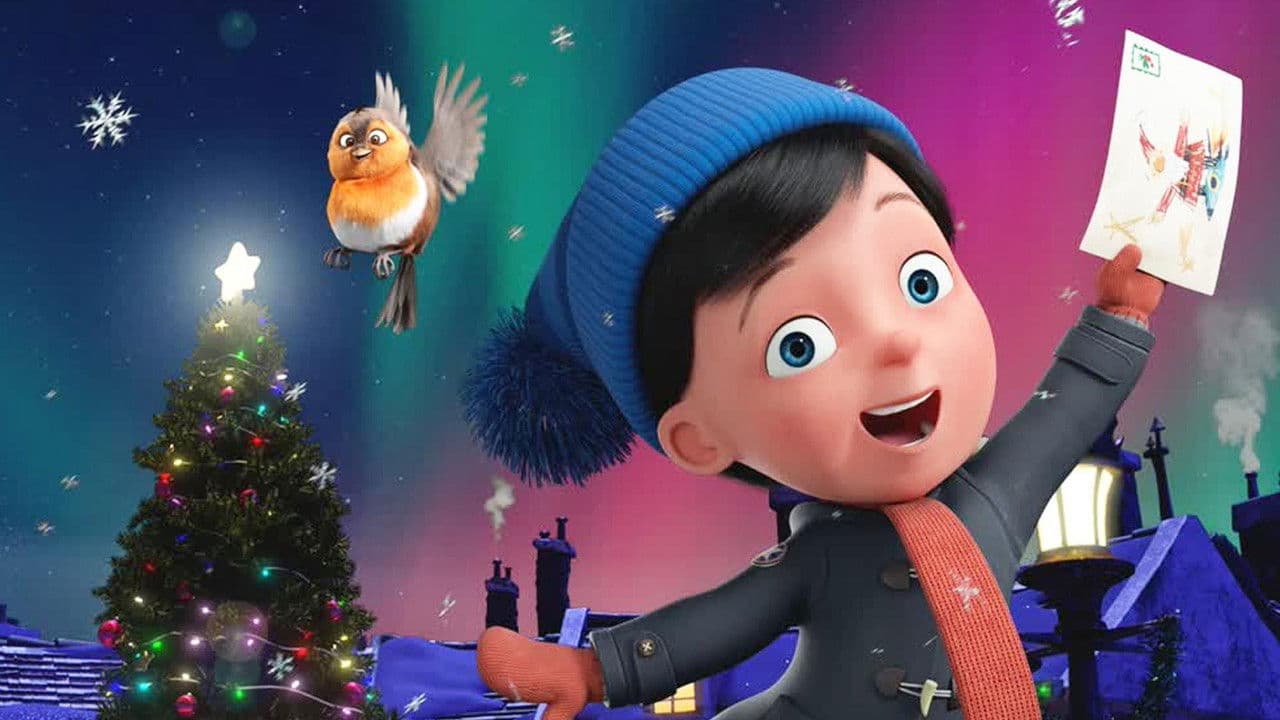
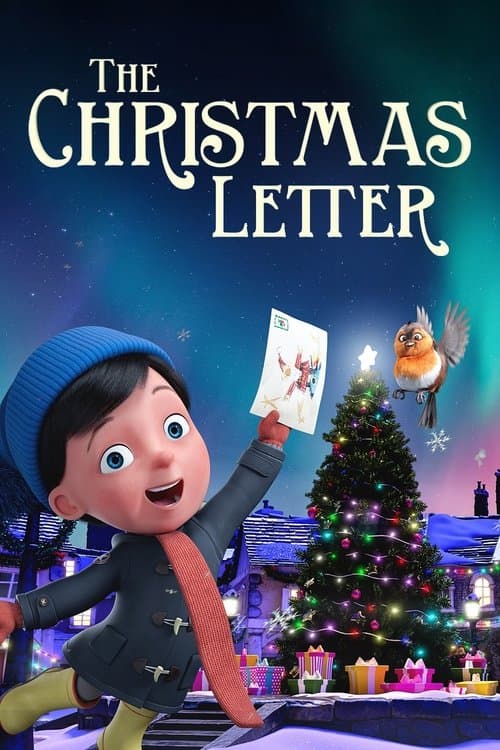
The Christmas Letter is a family television film with a warm and slightly melancholic atmosphere, typical of seasonal productions. The plot follows a young boy who discovers an old Christmas letter belonging to his lonely neighbour and decides, in his own way, to restore her festive spirit. The film targets young children and families, with no ambition beyond seasonal entertainment.
Underlying Values
The film raises a moral question that the narrative does not really resolve: Henry enters his neighbour's house several times without her consent to decorate it, and this behaviour is presented as a gesture of love and generosity rather than as a transgression. Good intention is systematically used to justify forcing his way in, without the film taking time to show that respecting others, including their refusals, is part of genuine kindness. This is a concrete angle to discuss with a child: can one do good to someone against their will?
Parental and Family Portrayals
Henry's father is absent from the film, which constitutes a notable narrative gap in a story centred on family and celebrations. This absence is not really addressed or explained, which may raise questions for a child sensitive to such situations. The film offers no emotional response to this lack, making it a useful point of conversation rather than a problem in itself.
Social Themes
The damaged Christmas letter that the neighbour keeps refers to an old disappointment or loss, subtly suggesting that some adults carry childhood wounds that colour their relationship with others and with celebrations. This motif, treated lightly, can nevertheless open a conversation about the loneliness of elderly people and what it truly means to help someone.
Strengths
The film has no particularly remarkable artistic or narrative qualities: the writing is conventional, the emotion remains superficial and the whole leaves little lasting impression. Its main merit is to offer an inoffensive festive atmosphere and to introduce, almost despite itself, a few concrete moral questions about respect for others and loneliness, which attentive parents can seize upon as material for discussion.
Age recommendation and discussion points
The film is accessible from age 6 without reservations related to content. The most useful discussion angle after viewing is that of consent and good intention: ask the child whether Henry acted rightly in entering his neighbour's home without permission, even to please her, and what this says about the difference between wanting to help and respecting the other person's choices.
Synopsis
Christmas-mad kid Henry tries to bring some much-needed cheer into a lonely old lady’s life in this touching festive animation narrated by Kate Winslet.
About this title
- Format
- Short film
- Year
- 2019
- Runtime
- 26m
- Countries
- Ireland
- Original language
- EN
Content barometer
- Violence0/5None
- Fear0/5None
- Sexuality0/5None
- Language0/5None
- Narrative complexity0/5Simple
- Adult themes0/5None
Watch-outs
- Grief
- Death / grief
Values conveyed
- Acceptance of difference
- Compassion
- empathy
- kindness
- Christmas
- perseverance