
The Cat Returns
猫の恩返し
Does this age rating seem accurate to you?
Detailed parental analysis
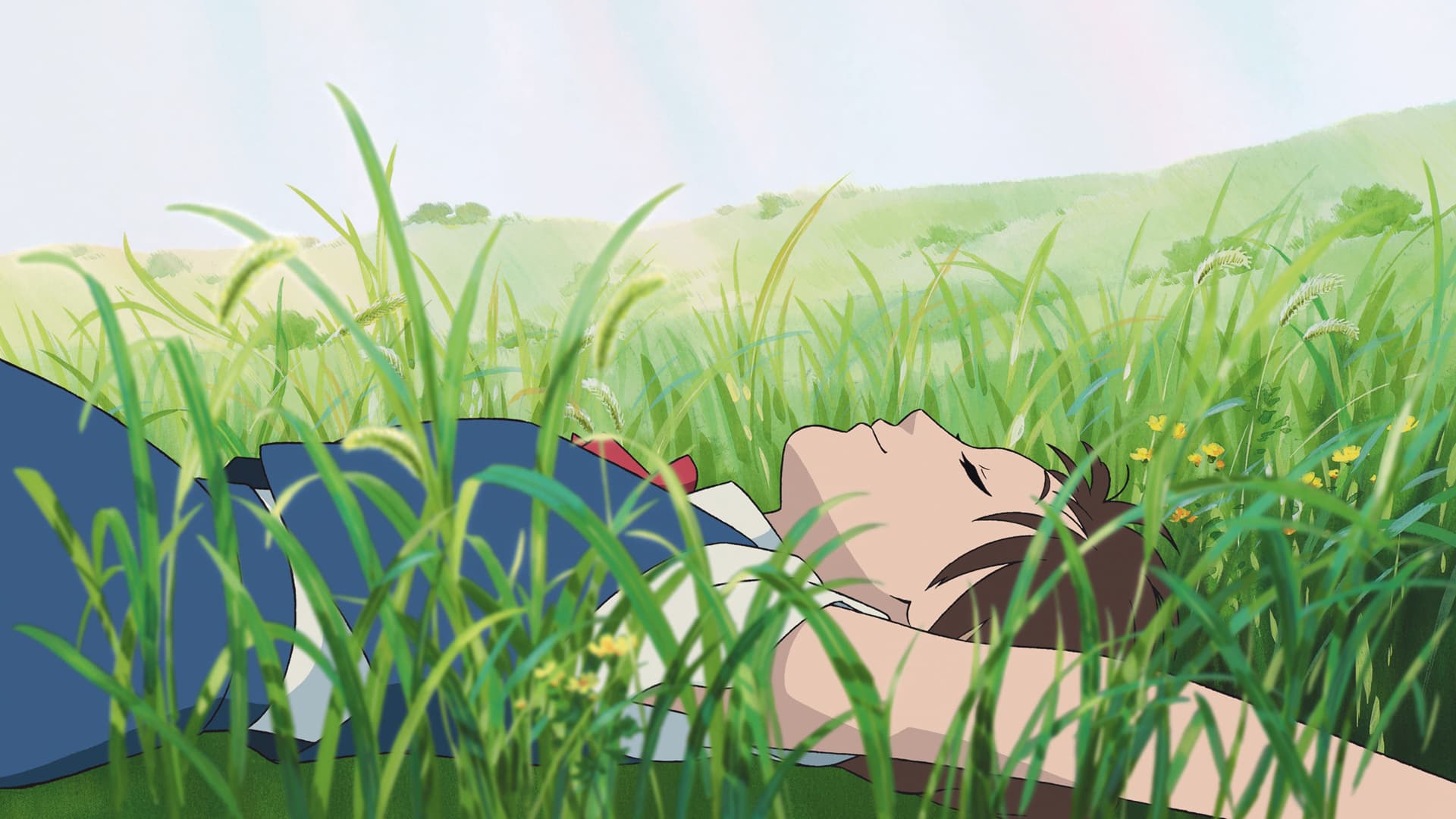
The Cat Kingdom is a fantasy tale from Studio Ghibli with a light and breezy atmosphere, tinged with humour and a few shivers. An ordinary teenage girl, after saving a cat from traffic, finds herself swept against her will into a feline kingdom that intends to marry her off to its prince. The film is primarily aimed at children from around ten years old and pre-teens, without excluding the parents accompanying them.
Underlying Values
The thematic engine of the film is explicit and coherent: Haru learns that no one but herself can decide who she is or what her life will be. This message of autonomy and self-assertion is carried consistently, from opening to resolution. It directly counterbalances the mechanics of the narrative, in which a passive young woman allows herself to be swept along by a destiny imposed by others. The film does not valorise rebellion for its own sake, but self-awareness as the first condition of a chosen life. This is solid ground for discussion with a pre-teen, particularly about the boundary between kindness and self-effacement.
Violence
The violence remains within the register of cartoonish adventure. Cats clash with swords, spears and chains, the Cat King hurls characters from a tower window in a loud scene but with no visible consequence, and the battles are stylised and swift. There is neither gore, nor blood, nor lasting suffering. The violence is narrative and functional, never gratuitous, and younger children may nonetheless be startled by a few more turbulent sequences or the image of an unconscious character whose awakening remains uncertain for a moment.
Parental and Family Portrayals
Haru's mother is present but little invested in her daughter's daily life, occupied and inattentive to the teenager's emotional state. This relative absence helps build the initial loneliness of the heroine and partly explains her tendency to let events carry her along. The film does not cast the maternal figure in a harsh light, but she remains in the background, which makes her a discreet yet real element of the family picture presented.
Sex and Nudity
A brief sequence shows a female cat's garment removed during a knife-throwing act, treated in a frankly comic tone and without any actual nudity. The episode is fleeting and without real sexual ambiguity. The film contains nothing else in this register.
Strengths
The film is a formal success within its register: the animation is accomplished, the settings of the cat kingdom possess real visual inventiveness, and the humour is sufficiently calibrated to work across multiple age levels. The pacing is brisk without ever losing narrative clarity for a young audience. Haru's arc, though simple, is constructed with honesty: her inner transformation is shown through concrete details rather than announced. The film remains one of Studio Ghibli's most accessible and least intimidating works, which makes it an ideal entry point into this universe for children who do not yet have the emotional stamina for more demanding titles from the same studio.
Age recommendation and discussion points
The film is suited from nine or ten years old without major reservation, and can be watched from seven or eight years old with a parent present for the few more turbulent scenes. After viewing, two angles merit discussion: ask the child why Haru initially accepts so readily what others decide for her, and what finally allows her to say no; and explore with them the difference between doing favours for others and letting themselves be defined by them.
Synopsis
Young Haru rescues a cat from being run over, but soon learns it's no ordinary feline; it happens to be the Prince of the Cats.
About this title
- Format
- Feature film
- Year
- 2002
- Runtime
- 1h 15m
- Countries
- Japan
- Original language
- JA
- Directed by
- Hiroyuki Morita
- Main cast
- Chizuru Ikewaki, Yoshihiko Hakamada, Aki Maeda, Tetsu Watanabe, Yousuke Saito, Takayuki Yamada, Hitomi Sato, Kenta Satoi, Mari Hamada, Kumiko Okae
- Studios
- Studio Ghibli, Hakuhodo DY Media Partners, Mitsubishi, Nippon Television Network Corporation, TOHO, Tokuma Shoten