
The Brave Little Toaster
Does this age rating seem accurate to you?
Detailed parental analysis
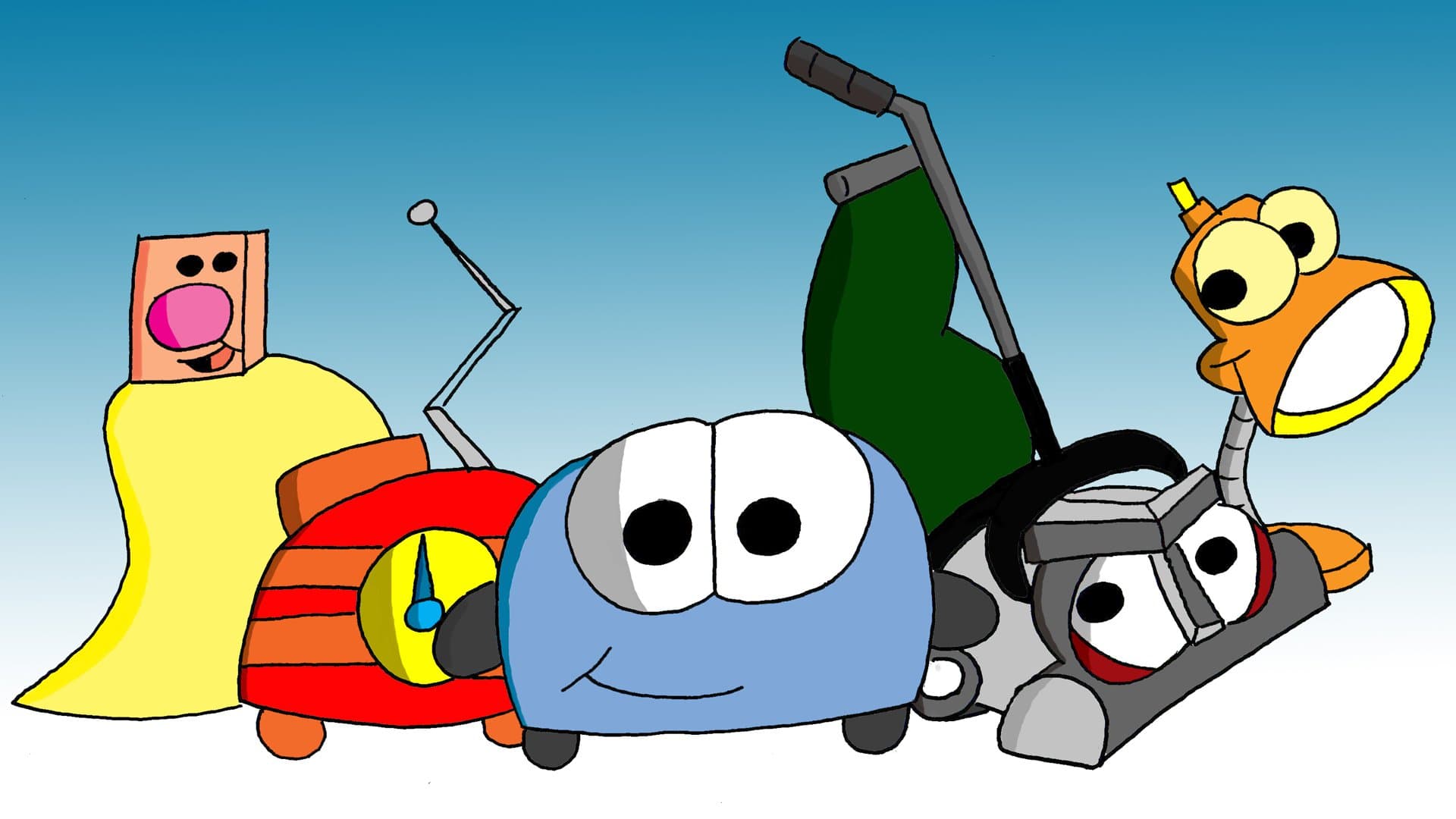
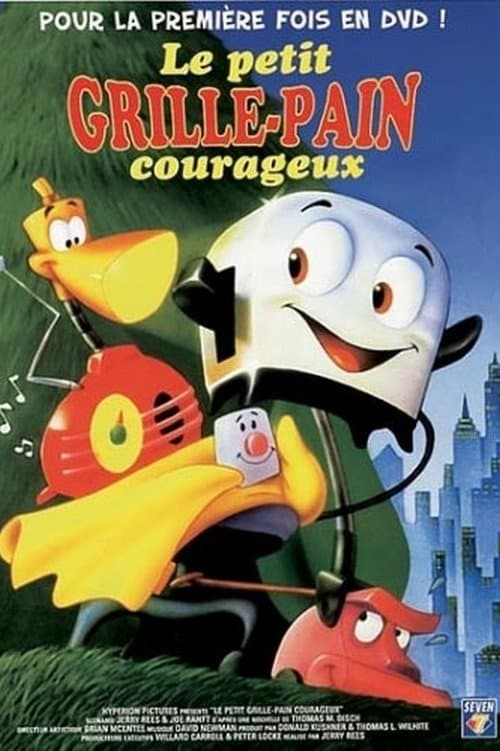
The Brave Little Toaster is an animated film with a contrasting atmosphere, oscillating between warm adventure and frankly unsettling sequences. The plot follows five household appliances who leave their summer cottage to find the young boy who abandoned them. Despite its universal classification and good-natured appearance, the film is better suited to school-age children than to toddlers, and contains an emotional depth that may surprise both parents and children.
Violence
The film accumulates sequences of unusual intensity for an animated film aimed at young children. The characters are plunged down waterfalls, sucked into quicksand, dismembered, and chased by a malevolent electromagnet in a car scrapyard. The final scene in the car compactor is particularly harrowing: the toaster sacrifices itself by throwing itself into the machine's gears to save its master, and emerges severely damaged. These sequences are not gratuitous; they serve a logic of sacrifice and loyalty, but their visual intensity can traumatise a child under six or seven years old. The scrapyard sequence is preceded by a song entitled 'Worthless' in which cars evoke their past before being crushed into cubes, an image of strong symbolic brutality about obsolescence and death.
Underlying Values
The film carries a coherent and debatable structural message about the value of objects: old and faithful appliances are presented as likeable and heroic, whilst modern and high-performing appliances are depicted as arrogant, cold, even dishonest. This pattern valorises loyalty and sentimental attachment to objects, but it also constructs an implicit mistrust of novelty and technological progress that deserves to be discussed. Moreover, the entire narrative rests on the desire to be loved and to be useful to someone, a theme of abandonment and emotional dependency that runs through the film with real intensity. The value of friendship and collective perseverance is, by contrast, carried with sincerity and without ambiguity.
Parental and Family Portrayals
The master, the central figure around which all action revolves, is a child who has become an adolescent, whose absence structures the film as an emotional void. The human parents are present in a very marginal way and without particular substance. What strikes more forcefully is the relationship of total dependency of the appliances towards their owner: their identity, their reason for being and their happiness are entirely conditioned on being recognised and used by him. For a child, this representation of attachment can resonate strongly, particularly if that child is experiencing situations of parental absence or separation.
Sex and Nudity
In the original 1987 version, a dream sequence contains a brief appearance of a woman visible from the waist upwards, wearing only large stars on her chest. This image was replaced by a bikini top in later editions. The element is fleeting and without narrative significance, but it is useful for parents watching an older version to be informed of it.
Strengths
The film possesses a rare emotional intelligence for a production of this type. It addresses without hesitation adult themes, abandonment, obsolescence, the fear of no longer being loved, through characters whose visual simplicity contrasts with the complexity of what they feel. The toaster's nightmare sequence, with its threatening firefighter clown, is an incursion into the quasi-horrific register that testifies to genuine narrative ambition. The song of the cars at the scrapyard constitutes one of the darkest and most memorable moments in American animation of the 1980s, and its emotional impact on both children and adults is documented. The film functions as a fable about loyalty and the fear of being replaced, and its capacity to generate strong emotions makes it a rich subject for conversation between parents and children.
Age recommendation and discussion points
The film is not recommended for children under six years old due to its anxiety-inducing sequences and themes of abandonment. From seven or eight years old, it can be watched with ease, ideally in the presence of an adult for the more sensitive. Two angles of discussion are essential after viewing: why do the characters need so much to be loved and useful in order to exist, and what does this say about our own relationship to personal value? And also: do old objects really have more worth than new ones, or is what matters the history we share with them?
Synopsis
A group of dated appliances, finding themselves stranded in a summer home that their family had just sold, decide to seek out their eight year old 'master'.
About this title
- Format
- Feature film
- Year
- 1987
- Runtime
- 1h 30m
- Countries
- United States of America
- Original language
- EN
- Directed by
- Jerry Rees
- Main cast
- Deanna Oliver, Jon Lovitz, Timothy Stack, Phil Hartman, Timothy E. Day, Thurl Ravenscroft, Joe Ranft, Judy Toll, Wayne Kaatz, Colette Savage
- Studios
- The Kushner-Locke Company, Hyperion Pictures
Content barometer
- Violence3/5Notable
- Fear4/5Intense
- Sexuality1/5Allusions
- Language0/5None
- Narrative complexity1/5Accessible
- Adult themes0/5None
Values conveyed
- Friendship
- Perseverance
- Loyalty
- courage
- teamwork