The Boss Baby: Back in the Crib
Does this age rating seem accurate to you?
Detailed parental analysis
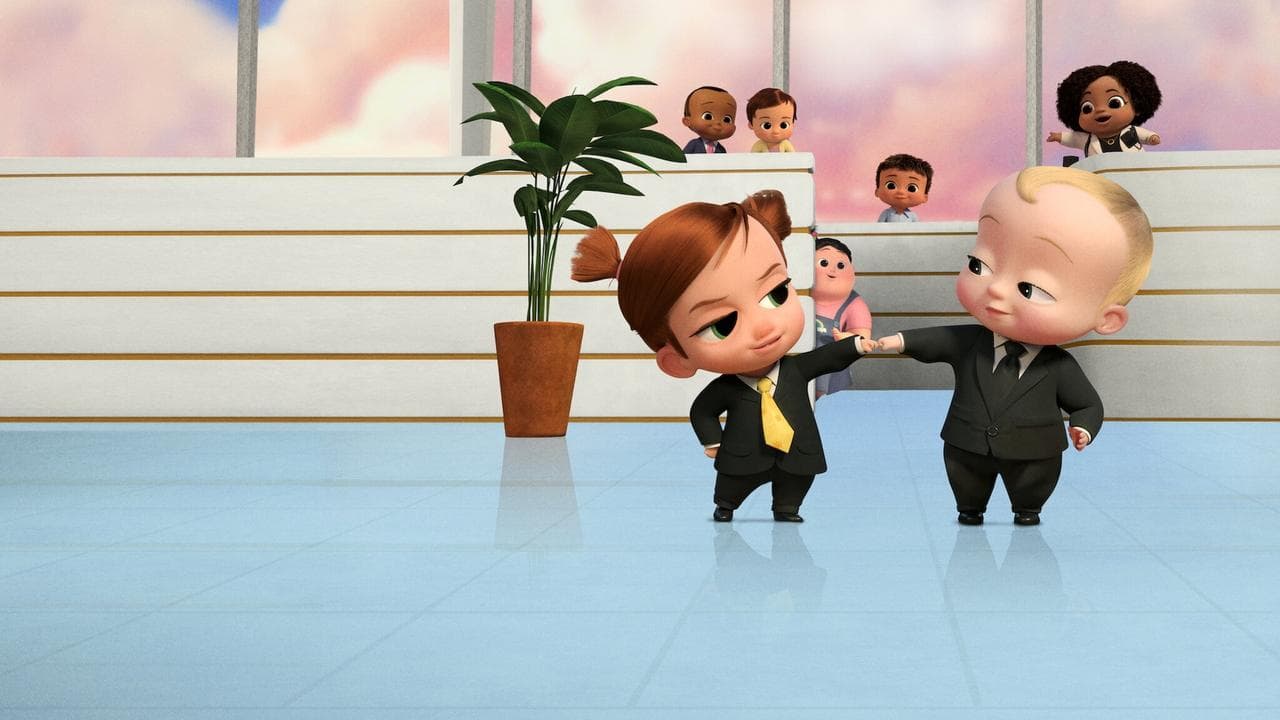
Baby Boss: Back in the Crib is a comedic animated series with an offbeat and deliberately sarcastic tone, designed for children from 7 years old but actually aimed at a broader family audience. The plot follows the baby boss forced to move back into his childhood home and resume his cover as a baby while carrying out secret missions for Baby Corp. The overall atmosphere is light and fast-paced, punctuated by cheeky humour, but the series carries subtexts about the corporate world and the commercial value of childhood that far exceed the level of a cartoon for young children.
Underlying Values
This is the gravitational centre of the series, and the most important point to keep in mind. Baby Corp operates as a caricatural capitalist enterprise that evaluates babies according to their beauty and classifies them into categories, with the most beautiful five per cent gaining love and attention, whilst the others are regarded as worthless losers. The series initially presents this logic as satire, but the visual and narrative treatment often ends up making it attractive rather than ridiculous. Consumerism is omnipresent in the staging, settings, dialogue and comedic mechanics, without the narrative ever clearly taking a stand against it. Most episodes valorise performance, competition and image, with surface-level discourse about unconditional love that does not really counterbalance the elitist logic of the fictional world.
Discrimination
The series rests on an explicit system of hierarchy founded on physical appearance: babies are literally rated and classified according to beauty criteria, and this ranking determines their access to affection and social value. This mechanism is sufficiently central and repeated to constitute a structural message, even wrapped in irony. For a child of 7 or 8 years old, the distinction between satire and model is difficult to make, and the risk is that the beauty-equals-value logic is internalised rather than questioned. This is an essential angle for discussion that should not be overlooked.
Social Themes
The series constructs an implicit critique of corporate capitalism, elitism and performance culture, but this critique remains ambivalent. The Baby Corp world reproduces the structures of the adult professional world with its hierarchies, rewards and exclusions, transposed into a universe of babies. This framework can open a fruitful conversation with an older child about how organisations function and social inequalities, provided the parent acts as an explicit mediator.
Parental and Family Portrayals
Parental figures are present but often peripheral, overwhelmed by events or instrumentalised by the plot. The family dynamic mainly serves as a backdrop to Baby Corp missions rather than substantially exploring affective relationships. The official message about the importance of family and sibling love coexists with a narrative structure that treats these bonds as obstacles or tactical resources.
Language
Scatological humour is present and recurrent, consistent with the world of babies and expected in this context. Gags involving nappies, vomiting and other bodily functions form part of the comedic register. The overall tone is sarcastic and sometimes cutting, which can disconcert younger viewers who do not yet grasp irony.
Strengths
The series demonstrates genuine inventiveness in its world-building: transposing corporate codes into the universe of early childhood is a comedic device that works and can fuel interesting conversations with somewhat older children. The pace is brisk, the animation is energetic, and certain episodes develop ideas about friendship and teamwork with a degree of sophistication. For an audience aged 9 to 11 accompanied by an adult, the series offers concrete material for discussing social pressure, personal worth and conformism, provided these readings are not left solely to the child.
Age recommendation and discussion points
The series is suitable from 7 years old in terms of raw content, but the subtexts about worth based on appearance and omnipresent consumerism justify parental accompaniment until at least 10 years old. Two concrete angles for discussion to open after viewing: ask the child whether an organisation that ranks people by order of beauty seems fair to them, and why; and ask whether Baby Corp makes them want to work there, to explore together what the series presents as desirable or not.
Synopsis
Framed for a corporate crime, an adult Ted Templeton turns back into the Boss Baby to live undercover with his brother, Tim, posing as one of his kids.
Where to watch
Availability checked on Apr 03, 2026
About this title
- Format
- TV series
- Year
- 2022
- Countries
- United States of America
- Original language
- EN
- Main cast
- JP Karliak, Mary Faber, Alex Cazares
- Studios
- DreamWorks Animation Television
Content barometer
- Violence1/5Mild
- Fear2/5A few scenes
- Sexuality0/5None
- Language1/5Mild
- Narrative complexity1/5Accessible
- Adult themes0/5None
Watch-outs
- Gender stereotypes
Values conveyed
- Friendship
- Acceptance of difference
- Autonomy
- family solidarity
- brotherly loyalty
- teamwork
- trust
- responsibility