The Bears' Famous Invasion of Sicily
Does this age rating seem accurate to you?
Detailed parental analysis
The Famous Invasion of Sicily by the Bears is an animated film with a poetic and melancholic aesthetic, inspired by a classic illustrated tale. A bear king descends from the mountains with his people to find his abducted son, triggering a confrontation with the human world that extends far beyond a simple family quest. The film is primarily aimed at children from 6-7 years old, but its thematic density and bittersweet tone make it a work that speaks equally to adults.
Underlying Values
This is the heart of the film. The narrative constructs a fable about the corruption generated by power: as the bears settle in the human city, they gradually lose their nature, their bearings and their integrity. Wealth and luxury are shown as traps, not as rewards. The message is clear and repeated: remaining true to what you are is worth more than adapting to a world that transforms you. This critique of power and urban life is delivered with solid narrative coherence, without being didactic. The ending, in which the bears choose to return to the mountains after the king's death, confirms that the film does not succumb to the ease of a conventional happy ending.
Parental and Family Portrayals
The father-son relationship is the emotional engine of the film. The bear king is a loving father, determined and willing to sacrifice everything to find his child, and this paternal figure is treated with genuine narrative dignity. The abduction of the bear cub by hunters constitutes the triggering scene and can deeply move young children, precisely because the emotional bond is carefully established before this rupture. The death of the father at the end of the story, though not visually violent, is a moment of genuine grief that the film does not minimise.
Social Themes
The film carries an explicit ecological message: nature is presented as a space of purity and balance, whilst human civilisation is associated with corruption, exploitation and loss of meaning. A political dimension is also present, with a representation of power as a vector of moral drift. These themes are accessible to children without being simplistic, and offer genuine material for discussion about the relationship between society, nature and collective identity.
Violence
The film contains scenes of combat between bears and human soldiers, with firearms, without blood or gore. Characters die, some reappear as ghosts, which attenuates the brutality of death whilst keeping it present. Monstrous creatures, including a troll, a giant cat and a sea serpent, attack the protagonists in sequences that may frighten younger children. The whole remains within the codes of the adventure tale, and violence is never gratuitous or aestheticised for its own sake: it serves the dramatic progression.
Substances
An animal character consumes alcohol, and this episode is clearly presented as a negative drift, a symptom of the corruption generated by life among humans. The scene is brief but clear in its moral intention.
Strengths
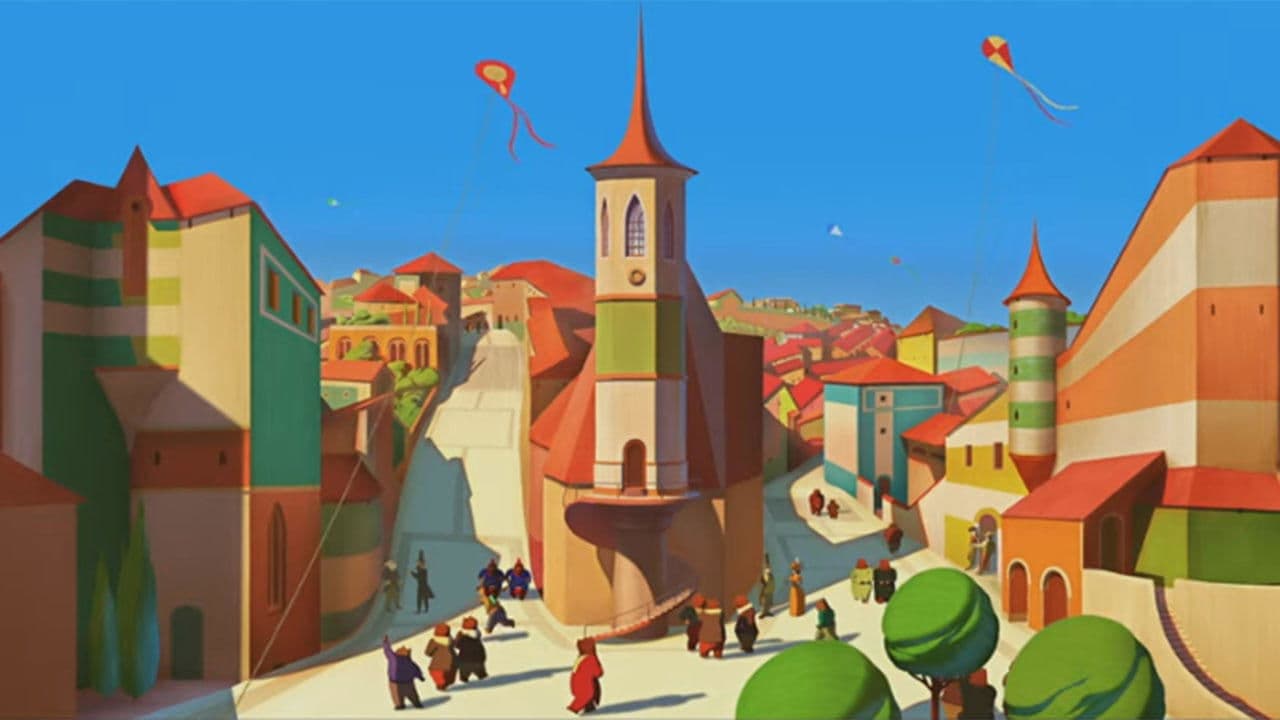
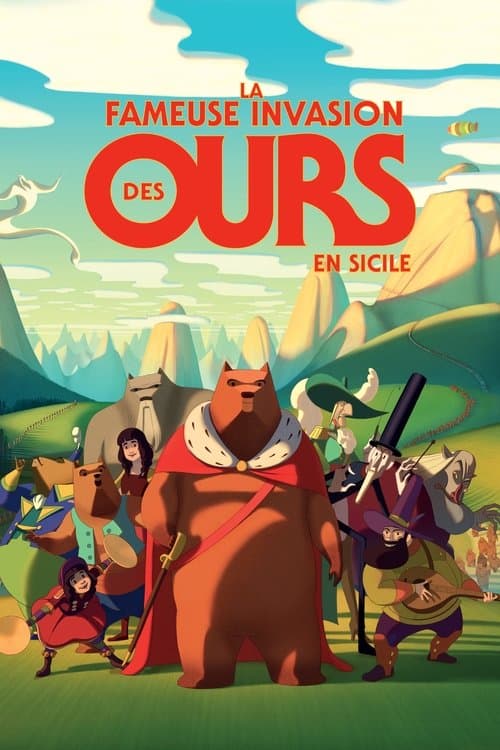
The film stands out for an artistic direction of great coherence, with illustrations that evoke medieval illuminations and author-illustrated books. The nested narration, carried by a storyteller who comments on the action through song, gives the narrative a poetic distance that enriches the experience without making it hermetic. The construction as a philosophical fable is rare in animation aimed at children: the film poses genuine questions about power, identity and the price of social adaptation, without ever condescending to its young audience. The melancholic ending, which refuses easy triumph, leaves a lasting emotional imprint and opens a space for reflection that few animated films for children allow themselves.
Age recommendation and discussion points
The film is suitable from 6 years old for children comfortable with adventure narratives involving character deaths and frightening creatures, and entirely appropriate from 7-8 years old. Two angles of discussion are worth exploring after viewing: why do the bears decide to return to the mountains rather than stay in the human city, and what does this say about what one is willing to abandon in order to succeed or fit in? The death of the king can also be an opportunity for frank conversation about grief and about what one passes on to those who remain.
Synopsis
Our story starts with Tonio, the son the bears King, being kidnapped by some hunters in the Sicilian mountains. Because of the harshness of a winter that threatens its clan with famine, the Bear King decides to invade the land of men (in the hope of finding his son). Thanks to his powerful army and the help of a wizard, he will succeed at both quests but he will soon find out that bears are not meant to live in the land of men.
About this title
- Format
- Feature film
- Year
- 2019
- Runtime
- 1h 22m
- Countries
- France, Italy
- Original language
- FR
- Directed by
- Lorenzo Mattotti
- Main cast
- Toni Servillo, Alberto Boubakar Malanchino, Maurizio Lombardi, Lorenzo Mattotti, Antonio Albanese, Linda Caridi, Corrado Invernizzi, Beppe Chierici, Roberto Ciufoli, Nicola Rignanese
- Studios
- Prima Linéa Productions, France 3 Cinéma, Pathé, Indigo Film, RAI Cinema, 3.0 Studio
Content barometer
- Violence2/5Moderate
- Fear3/5Notable tension
- Sexuality0/5None
- Language0/5None
- Narrative complexity1/5Accessible
- Adult themes1/5Mild
Values conveyed
- Acceptance of difference
- Perseverance
- Loyalty
- friendship
- courage
- family
- solidarity