The Ape Star
Apstjärnan
Does this age rating seem accurate to you?
Detailed parental analysis
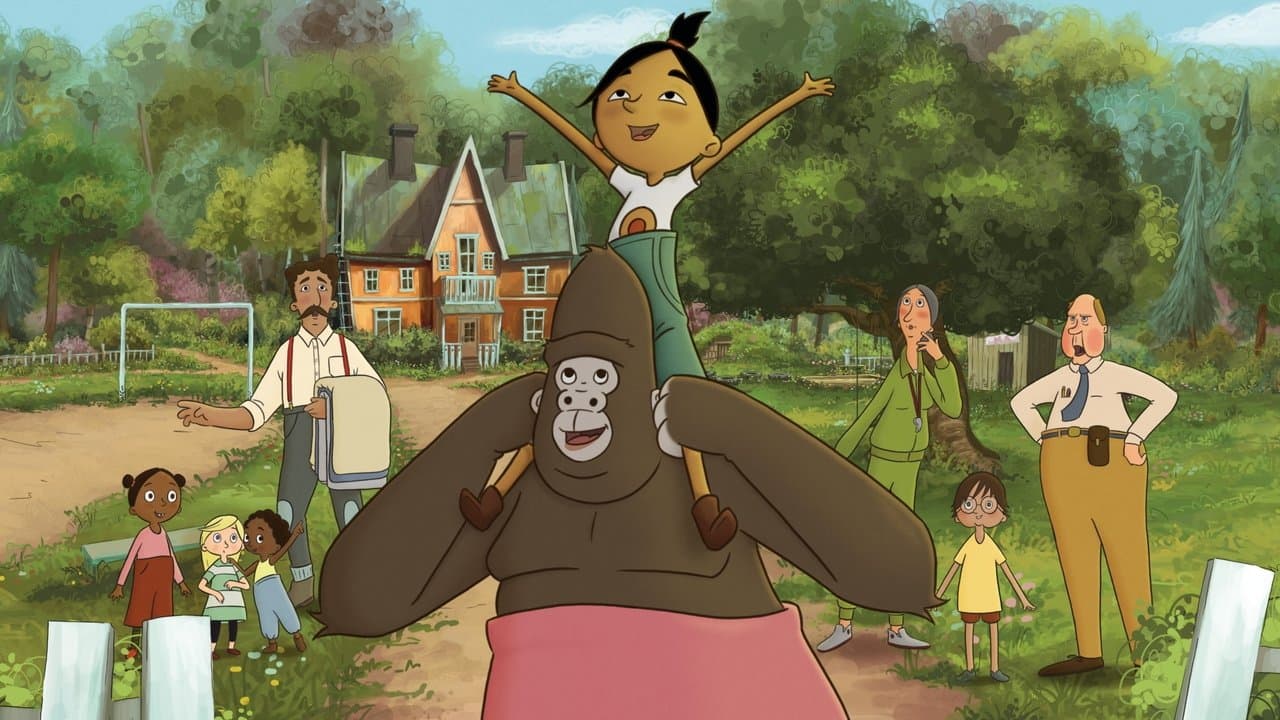
A Swedish animated film with a gentle and slightly melancholic atmosphere, 'My Mother is a Gorilla (So What?)' tells the story of Jonna, a young girl in an orphanage who is eventually adopted by a giant gorilla. The film addresses adoption, the acceptance of difference, and the maternal bond in a deliberately fantastical and compassionate manner. The film is explicitly aimed at young children, around 5 to 8 years old.
Parental and Family Portrayals
The mother-daughter relationship is the beating heart of the film. The Gorilla, an unlikely maternal figure, embodies warm, attentive and cultivated parenting, without ever being idealised to the point of losing emotional credibility. Jonna, for her part, travels a path from mistrust to attachment, which makes the dynamics of adoption tangible and just right for a young audience. The film also shows, subtly, that family is built on connection rather than form, which naturally opens the conversation for blended, adoptive, or non-traditional families. The orphanage as a starting point is treated without sensationalism but without excessive softening: some sensitive children may be affected by the atmosphere of these waiting scenes.
Underlying Values
The film carries an explicit message about refusing judgment based on appearance, defended with sincerity and without heavy-handed moralising. The antagonist, a greedy and caricatural mayor, embodies the rejection of anything that steps out of line, which makes the conflict readable for young children but deprives the narrative of genuine moral complexity. Jonna's courage and the Gorilla's perseverance are valued in a concrete way, through actions rather than speeches. The film also quietly celebrates a love of books and work, two values that the Gorilla models without making them a banner.
Social Themes
Adoption and life in an orphanage form the narrative foundation of the film and are treated with measured honesty. The scene in which a child is seized and taken away by force, crying and resisting, is the most emotionally charged moment: it is realistic in its register and may surprise or affect young or sensitive children, particularly those who have themselves experienced separation. It is not a traumatic scene, but it deserves to be anticipated by parents.
Substances
Adults consume what appears to be beer in a café. The scene is brief, with no emphasis or commentary, and carries no narrative weight. This point does not call for specific discussion but can be mentioned as information for parents most attentive to this type of representation.
Strengths
The film draws its main strength from the emotional truth of the central relationship: Jonna's progression towards trust and love is credible, gradual and unforced. The point about adoption and chosen family is treated with a sincerity rare in animation aimed at very young children. On a formal level, one must be honest: the pacing is slow and sometimes monotonous, and some parents report poor lip-syncing in the French version. These are real limitations. They do not erase the emotional relevance of the film, but make it less suited to a restless audience or one seeking visual dynamism. Its true value is that of a quiet film, conducive to dialogue, which leaves room for feeling.
Age recommendation and discussion points
The film is suitable from age 5, with particular attention for children very sensitive to themes of separation and abandonment, for whom parental guidance during viewing is advised. Two concrete angles for discussion after the film: ask the child what makes a person a 'real' mum or 'real' parent, and invite them to think of a time when they judged someone too quickly based on their appearance before changing their mind.
Synopsis
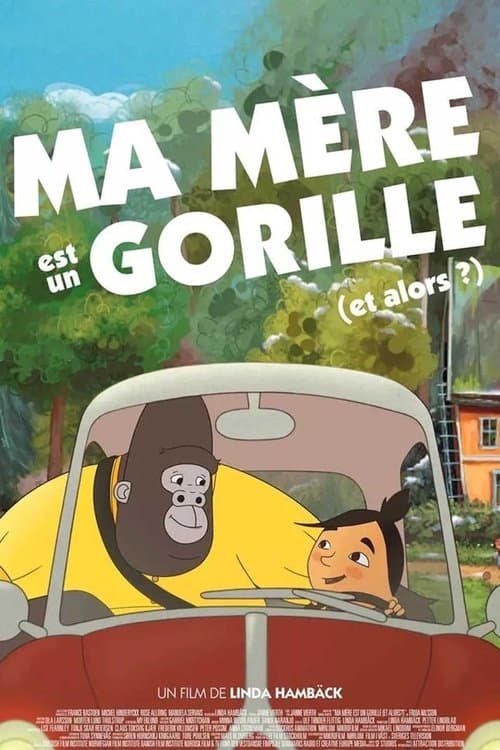
The orphan Jonna is longing for a mother. One day, an old car stops outside the orphanage and out steps a gorilla that picks Jonna for adoption. It soon becomes clear that they have more things in common than they initially thought. When they start becoming a family, Tord from the local authorities shows up and threatens to send Jonna back to the orphanage.
About this title
- Format
- Feature film
- Year
- 2021
- Runtime
- 1h 12m
- Countries
- Denmark, Norway, Sweden
- Original language
- SV
- Studios
- LEE Film, Mikrofilm, Nørlum, Film i Väst, SVT
Content barometer
- Violence1/5Mild
- Fear1/5Mild
- Sexuality0/5None
- Language0/5None
- Narrative complexity0/5Simple
- Adult themes1/5Mild
Watch-outs
- Grief
- Abuse
- Death / grief
Values conveyed
- Courage
- Acceptance of difference
- Perseverance
- Compassion
- Autonomy
- adoption
- family
- acceptance