
The Animals of Farthing Wood

The Animals of Farthing Wood
Your feedback improves this guide
Your feedback highlights guides that need a second look and keeps the rating trustworthy.
Does this age rating seem accurate to you?
Sign in to vote
Watch-outs
Content barometer
Violence
4/5
Strong
Fear
4/5
Intense
Sexuality
0/5
None
Language
0/5
None
Narrative complexity
1/5
Accessible
Adult themes
1/5
Mild
Detailed parental analysis
ⓘ- Violence
- Social Themes
- Underlying Values
- Substances
- Discrimination
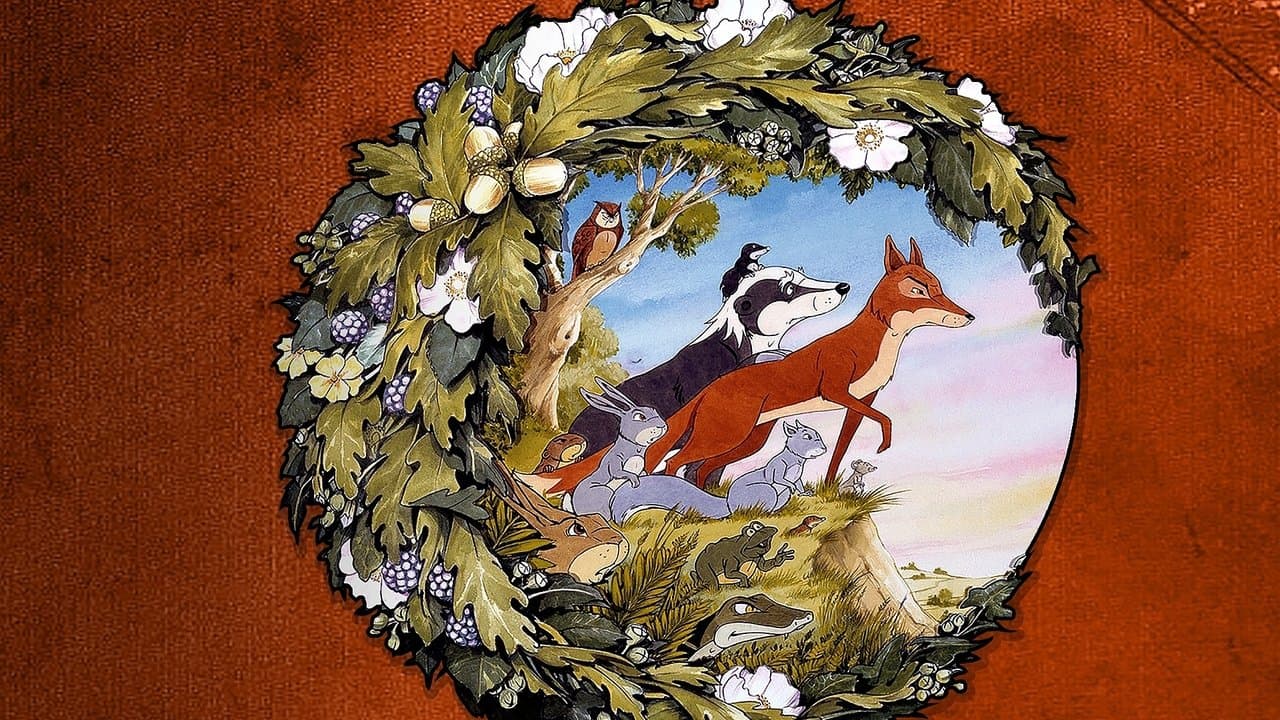
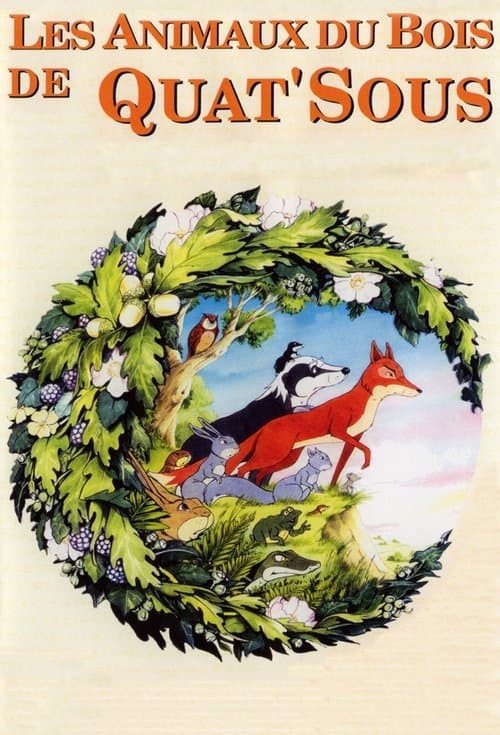
Animals of Quat'sous Wood is a European animated series with a resolutely dark and often harrowing atmosphere, originally conceived for a family audience but whose narrative treatment far exceeds the conventions of children's animation. The plot follows a community of animals forced to flee their forest, destroyed by urbanisation, to reach a nature reserve, facing dangers, losses and conflicts along the way. The series is theoretically aimed at children from 7-8 years old, but its brutal realism is in practice intended for a more mature audience.
Violence
Violence is the most striking feature of the series and its primary source of controversy. Deaths are numerous, graphic and unmitigated: baby mice impaled on thorns with visible blood, hedgehogs crushed under a lorry's wheels in a scene of collective panic, a female pheasant shot by a hunter and later found plucked and roasted by her mate. These sequences are not isolated narrative accidents: they are part of a deliberate logic of ecological realism, where death is presented as a direct and irreversible consequence of human actions or natural laws. Violence between animals also exists, with fights involving bites and visible injuries. This violence has a clear narrative purpose and is never aestheticised for pleasure, but its intensity and frequency remain high for a young audience.
Social Themes
Ecology is the ideological driving force of the entire series. The destruction of natural habitat by urbanisation, motorway construction and human indifference form the heart of its message. The series does not seek to nuance human responsibility: mankind is systematically presented as a threat, direct or indirect, to the animal world. This strong and coherent message gives the series genuine pedagogical value on environmental issues, but it can also instil in younger viewers an anxiety-inducing and poorly nuanced vision of the relationship between humanity and nature. This is a valuable angle for discussion to open with the child after viewing.
Underlying Values
The series builds a narrative founded on solidarity between naturally antagonistic species: predators and prey conclude a pact of mutual protection to survive together. This value of cooperation is carried with consistency and conviction throughout the episodes. In parallel, the figure of the leader, embodied by Fox, is subjected to constant moral pressure: each death in the group is experienced as a personal failure, and the series seriously questions the weight of collective responsibility. Courage, sacrifice and acceptance of loss are treated with an unusual maturity for the genre.
Substances
One episode shows a weasel getting drunk in a wine cellar. The scene is treated in a comedic register, which is precisely the point to watch: drunkenness is presented here as an amusing situation rather than a problematic one. The episode is isolated and does not constitute a running thread through the series, but it deserves to be flagged for parents of young children.
Discrimination
Four female characters from the original books were transformed into male characters for the series, on the explicit grounds of attracting a wider audience. This editorial choice, which notably concerns Weasel, Viper, Kestrel and Owl, reflects a presupposition of the era that female characters would have less commercial value in an adventure narrative. The series does not question this imbalance: it silently endorses it. This is a point that parents of older children may choose to address.
Strengths
The series maintains a narrative and thematic coherence rare for an animated production aimed at young audiences: it does not lie about death, does not artificially protect its characters and treats grief with a honesty that has left a lasting mark on a generation. Its ecological message, formulated without heavy didacticism, remains of undiminished relevance. The construction of the group, with its internal tensions, hierarchies and sacrifices, offers emotional and moral substance far richer than most contemporary children's productions. For children old enough to receive it, this series can constitute a first serious narrative experience of death, responsibility and the fragility of living things.
Age recommendation and discussion points
The series is not recommended before 8 years of age under any circumstances, and a comfortable viewing experience is better situated around 10-11 years old, accompanied by an adult for sensitive children. Two angles of discussion are essential after viewing: why do certain deaths in the series hurt more than others, and what does this tell us about our attachment to living beings; and to what extent does the series give a fair or exaggeratedly dark image of what humans do to nature.
Synopsis
The Animals of Farthing Wood is an animated series created by the European Broadcasting Union between 1992 and 1995 and based on the series of books written by Colin Dann. It was produced by Telemagination, based in London, and La Fabrique, based in Montpellier in France, but also aired in other European countries. The first countries to air the series were Germany and the United Kingdom, in January 1993.
Where to watch
No verified platform for the US market yet. We keep this section updated as availability changes.
Availability checked on May 02, 2026
About this title
- Format
- TV series
- Year
- 1993
- Runtime
- 25m
- Original language
- EN
- Directed by
- Jenny McDade
- Studios
- Telemagination, La Fabrique, European Broadcasting Union, Studio Praxinos
Content barometer
Violence
4/5
Strong
Fear
4/5
Intense
Sexuality
0/5
None
Language
0/5
None
Narrative complexity
1/5
Accessible
Adult themes
1/5
Mild
Detailed parental analysis
ⓘ- Violence
- Social Themes
- Underlying Values
- Substances
- Discrimination
Animals of Quat'sous Wood is a European animated series with a resolutely dark and often harrowing atmosphere, originally conceived for a family audience but whose narrative treatment far exceeds the conventions of children's animation. The plot follows a community of animals forced to flee their forest, destroyed by urbanisation, to reach a nature reserve, facing dangers, losses and conflicts along the way. The series is theoretically aimed at children from 7-8 years old, but its brutal realism is in practice intended for a more mature audience.
Violence
Violence is the most striking feature of the series and its primary source of controversy. Deaths are numerous, graphic and unmitigated: baby mice impaled on thorns with visible blood, hedgehogs crushed under a lorry's wheels in a scene of collective panic, a female pheasant shot by a hunter and later found plucked and roasted by her mate. These sequences are not isolated narrative accidents: they are part of a deliberate logic of ecological realism, where death is presented as a direct and irreversible consequence of human actions or natural laws. Violence between animals also exists, with fights involving bites and visible injuries. This violence has a clear narrative purpose and is never aestheticised for pleasure, but its intensity and frequency remain high for a young audience.
Social Themes
Ecology is the ideological driving force of the entire series. The destruction of natural habitat by urbanisation, motorway construction and human indifference form the heart of its message. The series does not seek to nuance human responsibility: mankind is systematically presented as a threat, direct or indirect, to the animal world. This strong and coherent message gives the series genuine pedagogical value on environmental issues, but it can also instil in younger viewers an anxiety-inducing and poorly nuanced vision of the relationship between humanity and nature. This is a valuable angle for discussion to open with the child after viewing.
Underlying Values
The series builds a narrative founded on solidarity between naturally antagonistic species: predators and prey conclude a pact of mutual protection to survive together. This value of cooperation is carried with consistency and conviction throughout the episodes. In parallel, the figure of the leader, embodied by Fox, is subjected to constant moral pressure: each death in the group is experienced as a personal failure, and the series seriously questions the weight of collective responsibility. Courage, sacrifice and acceptance of loss are treated with an unusual maturity for the genre.
Substances
One episode shows a weasel getting drunk in a wine cellar. The scene is treated in a comedic register, which is precisely the point to watch: drunkenness is presented here as an amusing situation rather than a problematic one. The episode is isolated and does not constitute a running thread through the series, but it deserves to be flagged for parents of young children.
Discrimination
Four female characters from the original books were transformed into male characters for the series, on the explicit grounds of attracting a wider audience. This editorial choice, which notably concerns Weasel, Viper, Kestrel and Owl, reflects a presupposition of the era that female characters would have less commercial value in an adventure narrative. The series does not question this imbalance: it silently endorses it. This is a point that parents of older children may choose to address.
Strengths
The series maintains a narrative and thematic coherence rare for an animated production aimed at young audiences: it does not lie about death, does not artificially protect its characters and treats grief with a honesty that has left a lasting mark on a generation. Its ecological message, formulated without heavy didacticism, remains of undiminished relevance. The construction of the group, with its internal tensions, hierarchies and sacrifices, offers emotional and moral substance far richer than most contemporary children's productions. For children old enough to receive it, this series can constitute a first serious narrative experience of death, responsibility and the fragility of living things.
Age recommendation and discussion points
The series is not recommended before 8 years of age under any circumstances, and a comfortable viewing experience is better situated around 10-11 years old, accompanied by an adult for sensitive children. Two angles of discussion are essential after viewing: why do certain deaths in the series hurt more than others, and what does this tell us about our attachment to living beings; and to what extent does the series give a fair or exaggeratedly dark image of what humans do to nature.
Synopsis
The Animals of Farthing Wood is an animated series created by the European Broadcasting Union between 1992 and 1995 and based on the series of books written by Colin Dann. It was produced by Telemagination, based in London, and La Fabrique, based in Montpellier in France, but also aired in other European countries. The first countries to air the series were Germany and the United Kingdom, in January 1993.