
That Time I Got Reincarnated as a Slime the Movie: Tears of the Azure Sea
劇場版 転生したらスライムだった件 蒼海の涙編
Does this age rating seem accurate to you?
Detailed parental analysis
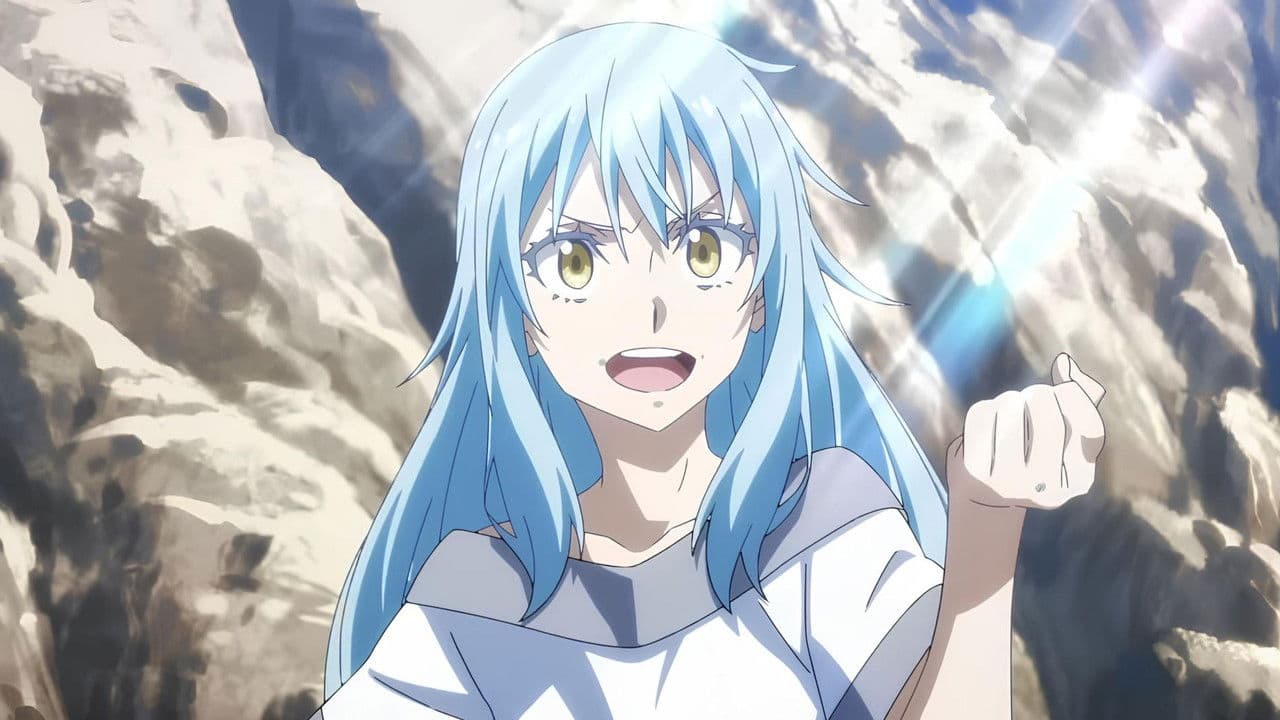
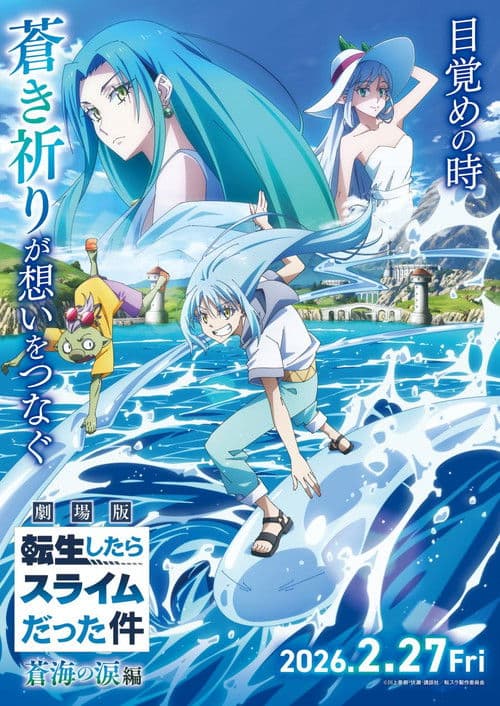
A film adaptation of the eponymous animated series, this fantasy adventure film adopts a more emotional and melancholic tone than the television series from which it originates. The plot follows secondary characters from the universe, notably the clumsy Gobta and the priestess Yura, whose unexpected bond lies at the heart of a maritime quest with dramatic stakes. The film is primarily aimed at teenagers already familiar with the franchise, although a newcomer may find it an accessible entry point.
Violence
The combat sequences are more intense and visually striking than what the television series offers. The confrontations involve large-scale magical destruction, visible injuries to characters, and a staging that does not seek to soften the physical consequences of battles. Character deaths are shown on screen, without evasion, and followed by prolonged sequences of grief that give emotional weight to the violence rather than rendering it gratuitous. For a young child, the intensity of these scenes may be difficult to manage; for a teenager, they function as a genuine dramatic device.
Underlying Values
The film places at the centre of its narrative a sincere attachment between two beings separated by everything, valuing the capacity to forge connection across differences of status and nature. Loyalty to those one loves, willing sacrifice and acceptance of loss are strong narrative drivers. The ending, deliberately ambivalent, refuses the easy happy ending and invites reflection on what it means to love someone one cannot hold onto, which constitutes an emotionally rich message but one potentially unsettling for younger viewers.
Sex and Nudity
The film contains suggestive material flagged in its official classification. The romance between Gobta and Yura is treated with a certain narrative restraint, but certain scenes or visual representations exceed a strictly child-oriented register. Nothing explicit, but sufficiently present to warrant parental attention with children under 12 years of age.
Strengths
The film draws its principal strength from its choice to bring secondary characters into focus, characters usually relegated to comedy, by offering them unexpected emotional depth. The narrative structure, centred on grief and attachment, transcends the conventions of the isekai genre and proposes genuine reflection on loss. The prolonged sequences of grief, often absent from animated productions aimed at teenagers, give the film real emotional maturity. For franchise fans, the post-credits scene constitutes a significant narrative extension that enriches understanding of the broader universe.
Age recommendation and discussion points
The film is suitable from age 12 onwards, with parental accompaniment recommended for 12 to 13-year-olds due to death scenes and intense grief sequences. Two angles of discussion merit opening after viewing: why a sad ending can be more honest than a happy one, and how the film represents the act of accepting the loss of someone one loves without being able to hold onto them.
Synopsis
After concluding the opening ceremony of the Demon Kingdom Federation Tempest, Rimuru and his companions are invited by the Celestial Emperor Hermesia of the great elven nation – the Magi Dynasty Salion – to visit her private resort island. As the group enjoys their brief vacation, a mysterious woman named Yura appears. A new incident unfolds against the backdrop of the boundless azure sea.
About this title
- Format
- Feature film
- Year
- 2026
- Runtime
- 1h 45m
- Countries
- Japan
- Original language
- JA
- Directed by
- Yasuhito Kikuchi
- Main cast
- Miho Okasaki, Mao Ichimichi, Tomoaki Maeno, Makoto Furukawa, Sayaka Senbongi, Hisako Kanemoto, Koichi Domoto, Saori Onishi, Koji Yusa, Takuya Eguchi
- Studios
- 8bit, Bandai Namco Filmworks, BN Pictures
Content barometer
- Violence3/5Notable
- Fear2/5A few scenes
- Sexuality2/5Mild
- Language1/5Mild
- Narrative complexity2/5Moderate
- Adult themes0/5None
Values conveyed
- Acceptance of difference
- Compassion
- Loyalty
- Forgiveness
- friendship
- solidarity
- protecting the vulnerable
- courage
- respect for nature
- cooperation