
Land of the Bears
Land of the Bears
Your feedback improves this guide
Your feedback highlights guides that need a second look and keeps the rating trustworthy.
Does this age rating seem accurate to you?
Sign in to vote
Watch-outs
What this film brings
Content barometer
Violence
2/5
Moderate
Fear
1/5
Mild
Sexuality
0/5
None
Language
0/5
None
Narrative complexity
2/5
Moderate
Adult themes
0/5
None
Expert review
This wildlife documentary follows several brown bears in the wild landscapes of Kamchatka, with a calm and immersive style that highlights nature, changing seasons, and the path toward independence. The sensitive content mainly comes from the realism of animal life, including clashes between adult males, suggested predation, and moments when cubs or younger bears face natural danger. The intensity is moderate and the film is not harsh in an explicit way, but some scenes of tension, roaring, territorial fighting, or separation may unsettle very young viewers because the animals are shown in a realistic setting. These moments are not constant, since the film often returns to peaceful sequences of exploration and everyday survival. For parents, it helps to explain beforehand that wild animals live by natural instincts, then stay available to reassure a child if the conflict or suspense feels a bit strong.
Synopsis
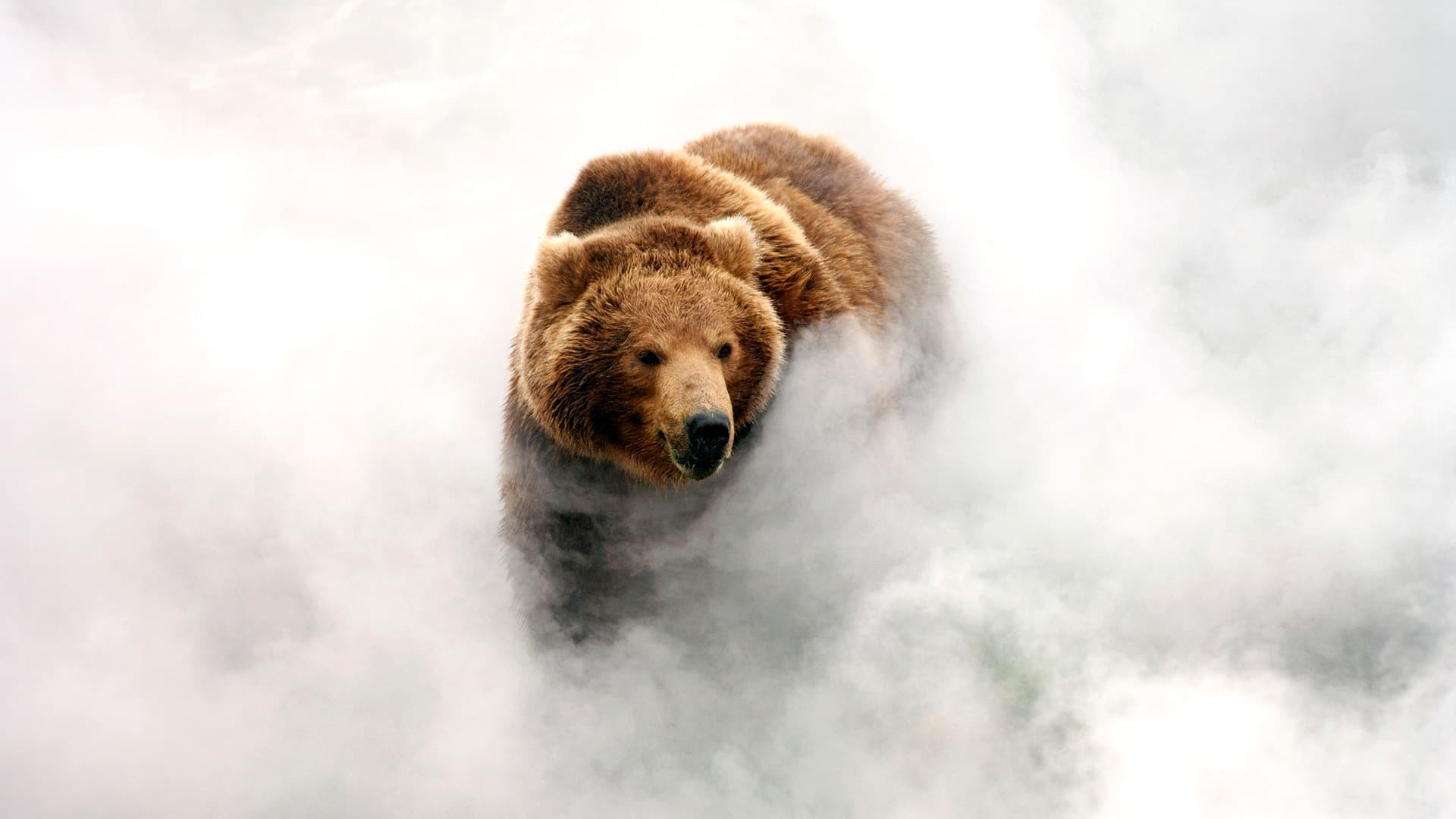
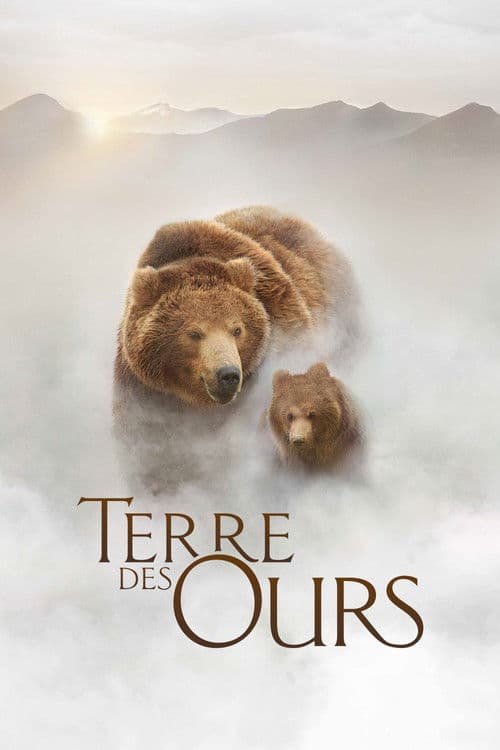
Set in the wilderness of the Kamchatka Peninsula, the land of legends and the kingdom of wild brown bears, we follow the daily adventures of five wild brown bears.
Difficult scenes
Several scenes show adult males meeting and fiercely defending their territory. The threatening body language, charging, roaring, and physical contact may feel intense for a young child, even though the film stays within a naturalistic observation style and does not aim for graphic spectacle. A mother bear keeps watch over her cubs as they explore a vast and sometimes dangerous environment. For a sensitive child, simply seeing very young cubs wander off, slip, or risk an unsafe encounter can create anxiety, because the suspense comes from their real vulnerability in the wild. A young bear's path toward solitary adult life emphasizes separation from maternal protection and the need to survive alone. This transition may bring some sadness or unease for children who are very attached to parent child bonds, even though the treatment remains restrained and contemplative.
Where to watch
No verified platform for the US market yet. We keep this section updated as availability changes.
About this title
- Format
- Feature film
- Year
- 2014
- Runtime
- 1h 22m
- Countries
- France
- Original language
- FR
- Directed by
- Guillaume Vincent
- Main cast
- Marion Cotillard, Cécile Corbel
- Studios
- Les Films en vrac, Nature Pictures, Cameron l Pace Group, CNC, Orange Studio
Content barometer
Violence
2/5
Moderate
Fear
1/5
Mild
Sexuality
0/5
None
Language
0/5
None
Narrative complexity
2/5
Moderate
Adult themes
0/5
None
Expert review
This wildlife documentary follows several brown bears in the wild landscapes of Kamchatka, with a calm and immersive style that highlights nature, changing seasons, and the path toward independence. The sensitive content mainly comes from the realism of animal life, including clashes between adult males, suggested predation, and moments when cubs or younger bears face natural danger. The intensity is moderate and the film is not harsh in an explicit way, but some scenes of tension, roaring, territorial fighting, or separation may unsettle very young viewers because the animals are shown in a realistic setting. These moments are not constant, since the film often returns to peaceful sequences of exploration and everyday survival. For parents, it helps to explain beforehand that wild animals live by natural instincts, then stay available to reassure a child if the conflict or suspense feels a bit strong.
Synopsis
Set in the wilderness of the Kamchatka Peninsula, the land of legends and the kingdom of wild brown bears, we follow the daily adventures of five wild brown bears.
Difficult scenes
Several scenes show adult males meeting and fiercely defending their territory. The threatening body language, charging, roaring, and physical contact may feel intense for a young child, even though the film stays within a naturalistic observation style and does not aim for graphic spectacle. A mother bear keeps watch over her cubs as they explore a vast and sometimes dangerous environment. For a sensitive child, simply seeing very young cubs wander off, slip, or risk an unsafe encounter can create anxiety, because the suspense comes from their real vulnerability in the wild. A young bear's path toward solitary adult life emphasizes separation from maternal protection and the need to survive alone. This transition may bring some sadness or unease for children who are very attached to parent child bonds, even though the treatment remains restrained and contemplative.