Teenage Mutant Ninja Turtles: Mutant Mayhem
Does this age rating seem accurate to you?
Detailed parental analysis
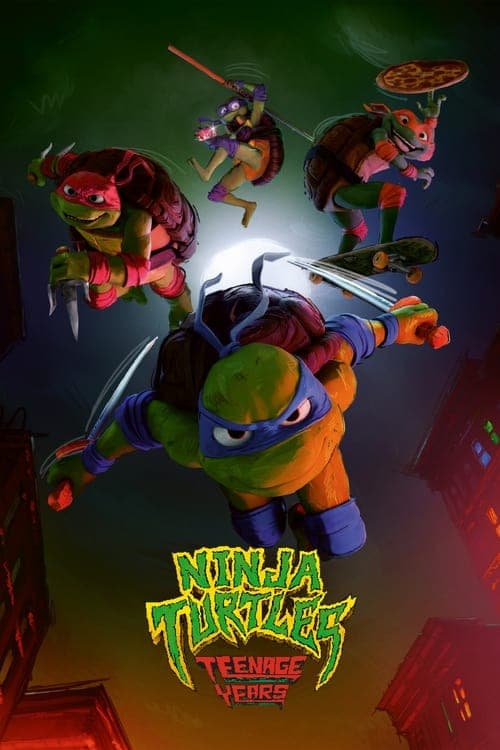
Ninja Turtles: Teenage Years is an action and adventure animated film with a vibrant, colourful atmosphere, featuring touches of teenage humour and some genuinely unsettling sequences. The plot follows four mutant teenage turtles who seek to be accepted by humans whilst facing a threat from mutants intent on transforming the world. The film primarily targets children from 7-8 years old and pre-teens, but its irreverent tone and at times sustained violence place it more within the franchise's register than that of a reassuring family tale.
Violence
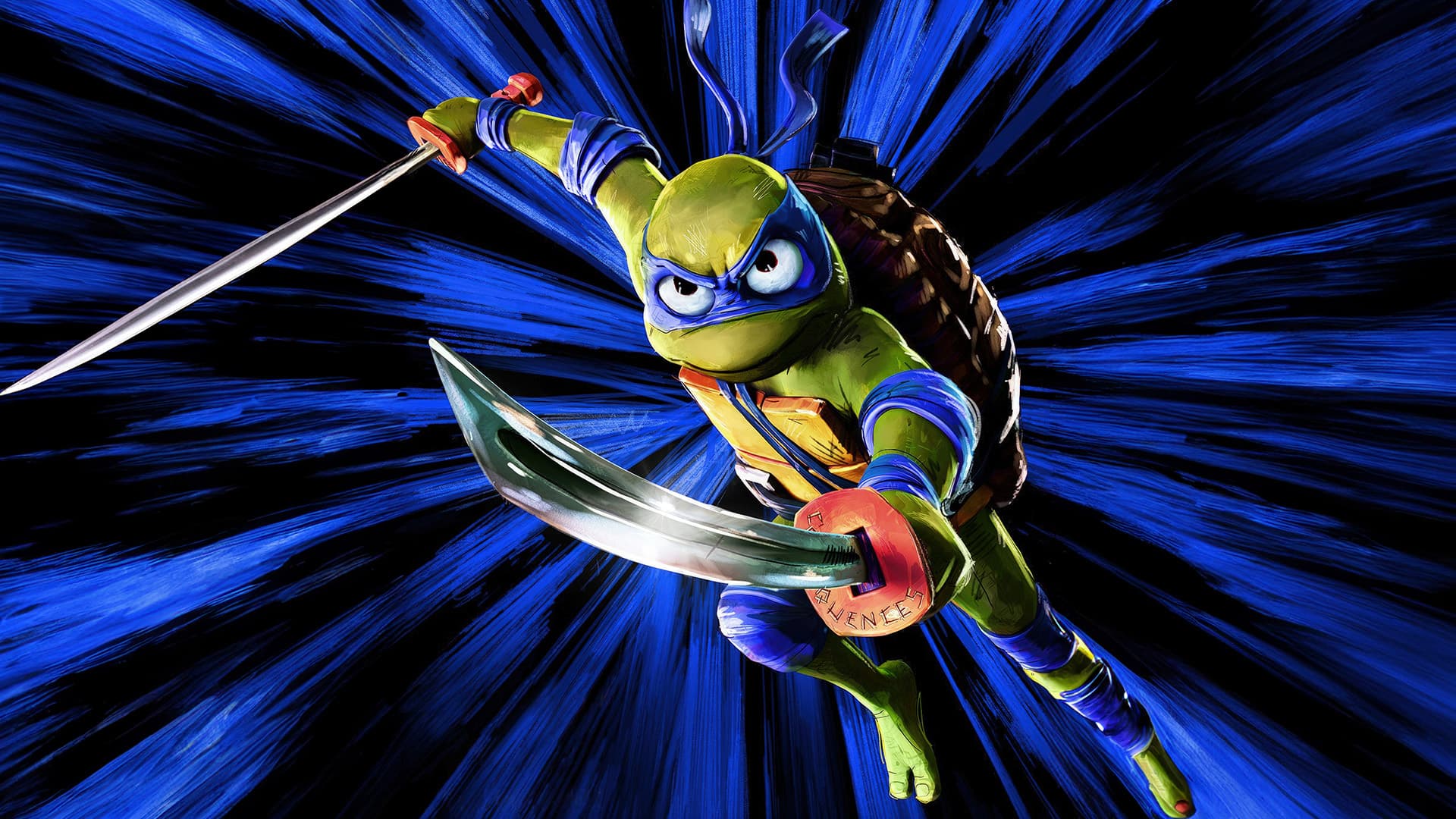
Violence is constant and constitutive of the genre. The four turtles fight using traditional weapons (katanas, sais, staff, nunchakus, throwing stars) in repeated and visually dynamic action sequences. Two sequences warrant particular attention: the turtles are captured, subjected to electrical discharges intense enough to reveal their skeletons on screen, then held in restraint to be 'drained' of their mutagen fluid, a scene in which one of them weeps in pain. These moments clearly step outside the register of innocuous spectacle and may mark sensitive children. Deaths of secondary characters remain off-screen, but their presence is explicitly indicated. The violence is not gratuitous in its narrative purpose; it serves the message about the danger of difference and courage, but its intensity exceeds what a PG rating (parental guidance suggested, equivalent to parental consent in France) might suggest.
Underlying Values
The film structures its narrative around solid and coherent values: brotherhood, courage in the face of difference, family solidarity and self-acceptance despite the hostile gaze of others. The turtles' quest to be recognised as complete beings, not as monsters, is treated with a sincerity that speaks directly to the adolescent experience of exclusion. The message is not didactic but embodied in action. As a counterpoint, the main antagonist embodies a radical and violent response to that same marginalisation, which offers a natural opening for discussion about different ways of responding to rejection.
Parental and Family Portrayals
Splinter, the adoptive father of the turtles, is a central parental figure whose evolution lies at the heart of the film. He is first presented as overprotective, even paralysed by fear of the outside world, before acknowledging that his caution stems from his own past suffering rather than the interests of his children. This portrait of an imperfect parent who learns to let go and trust his adolescents is one of the film's most compelling narrative threads. It offers a concrete angle for discussion about the relationship between parental protection and autonomy.
Language
The verbal register is clearly irreverent, with an accumulation of minor profanities and vulgar expressions throughout the film. From the opening song, a profanity is audible. Terms like 'shit', 'hell', 'shut up' and various disrespectful phrases punctuate the dialogue repeatedly. This is consistent with the adolescent tone the film intends, but parents of younger children (6-8 years old) should anticipate that their child will memorise and reproduce certain of these expressions.
Social Themes
The rejection of physical difference and fear of otherness run throughout the narrative. Mutants, whether heroes or antagonists, share a common experience of exclusion by humans, and the film shows that this marginalisation can lead either to resilience and a quest for integration, or to radicalisation and violence. This is a social issue treated in an allusive but real manner, which lends itself to conversation about how societies treat those perceived as different or dangerous.
Strengths
The film surprises with the sincerity of its emotional writing: the turtles' awkwardness in the human world, their desire for belonging and their fraternal tensions ring true and avoid the pitfalls of easy sentimentality. The dynamic amongst the four brothers is animated with energy and humour; each character's distinct personality is well crafted. The figure of the adoptive father who must learn to trust gives the film a narrative depth that transcends simple action entertainment for children. The character of April is written as a determined and intelligent adolescent, without any of the sexualised poses that characterised previous versions of the franchise, which constitutes a notable shift in the character's treatment.
Age recommendation and discussion points
The film is suitable from 8 years old for children not sensitive to violence and painful captivity situations, but a relaxed viewing experience sits rather around 10 years old. Two angles are worth discussing after the film: why was Splinter so afraid of letting his children meet the world, and was his caution justified? And how does the film represent the different ways of reacting when one feels rejected or misunderstood by the society surrounding us?
Synopsis
After years of being sheltered from the human world, the Turtle brothers set out to win the hearts of New Yorkers and be accepted as normal teenagers through heroic acts. Their new friend April O'Neil helps them take on a mysterious crime syndicate, but they soon get in over their heads when an army of mutants is unleashed upon them.
About this title
- Format
- Feature film
- Year
- 2023
- Runtime
- 1h 39m
- Countries
- Canada, France, United States of America
- Original language
- EN
- Directed by
- Jeff Rowe
- Main cast
- Micah Abbey, Shamon Brown Jr., Nicolas Cantu, Brady Noon, Ayo Edebiri, Maya Rudolph, John Cena, Seth Rogen, Rose Byrne, Natasia Demetriou
- Studios
- Paramount Pictures, Nickelodeon Movies, Point Grey Pictures, Cinesite Animation, Mikros Animation
Content barometer
- Violence3/5Notable
- Fear3/5Notable tension
- Sexuality0/5None
- Language3/5Notable
- Narrative complexity1/5Accessible
- Adult themes0/5None
Watch-outs
Values conveyed
- Courage
- Acceptance of difference
- friendship
- family
- acceptance