Tara Duncan
Does this age rating seem accurate to you?
Detailed parental analysis
Tara Duncan is an animated adventure and fantasy series infused with humour, featuring a colourful and dynamic atmosphere despite some sequences of tension. The plot follows a young girl who discovers she possesses extraordinary magical powers and must learn to master them whilst facing malevolent forces. The target audience is children aged 7-8 and upwards, including pre-teens.
Underlying Values
The narrative is built on solid and coherent values: friendship is presented as a concrete resource, driving collective action rather than serving as mere sentimental decoration. Courage in the face of danger and a sense of responsibility towards one's family and loved ones structure the narrative arcs repeatedly. The film also values integration through merit and effort, with a main character who must earn her place in a world that does not yet resemble her own. The battle between good and evil is presented in clearly binary fashion, without notable moral ambiguity: antagonists are identifiable, and the values defended are never called into question. This provides a reassuring framework for young children, but offers little substance for nuance with older ones.
Violence
Violence is present recurrently in the form of magical combat, confrontations with monstrous creatures and situations of peril for characters, notably abductions, captivity and characters suspended in dangerous situations. The intensity remains calibrated for a young audience: the graphic style attenuates the impact of the most frightening antagonists, and violence never descends into gore or trauma. One episode introduces the narrative mechanism of a character placed under a spell who becomes temporarily malevolent, constituting the most emotionally destabilising moment. The weapons used, including bows and rifles, fit within a logic of fantastic adventure without particular glorification.
Parental and Family Portrayals
Family occupies an important thematic place in the narrative, with emotional stakes linked to protection and family bonds. The parental figure functions more as a motivating force for the main character than as a stable and reassuring everyday presence, which is consistent with the structure of an initiatory adventure narrative.
Strengths
The series draws its energy from well-defined characters whose group dynamic functions effectively and creates genuine narrative tension around teamwork. The fantasy universe is sufficiently rich to nourish the imagination of young viewers, with its own mythology that extends beyond mere setting. The whole remains accessible without being condescending, and character progression offers varied models for identification for pre-teens.
Age recommendation and discussion points
Tara Duncan is suitable from age 7 for children comfortable with fantasy worlds and light tense situations, and can be watched with ease from age 8-9. Two interesting angles to explore with the child after viewing: why friendship enables success where the character fails alone, and what to do when someone you love changes and becomes hurtful, even unintentionally.
Synopsis
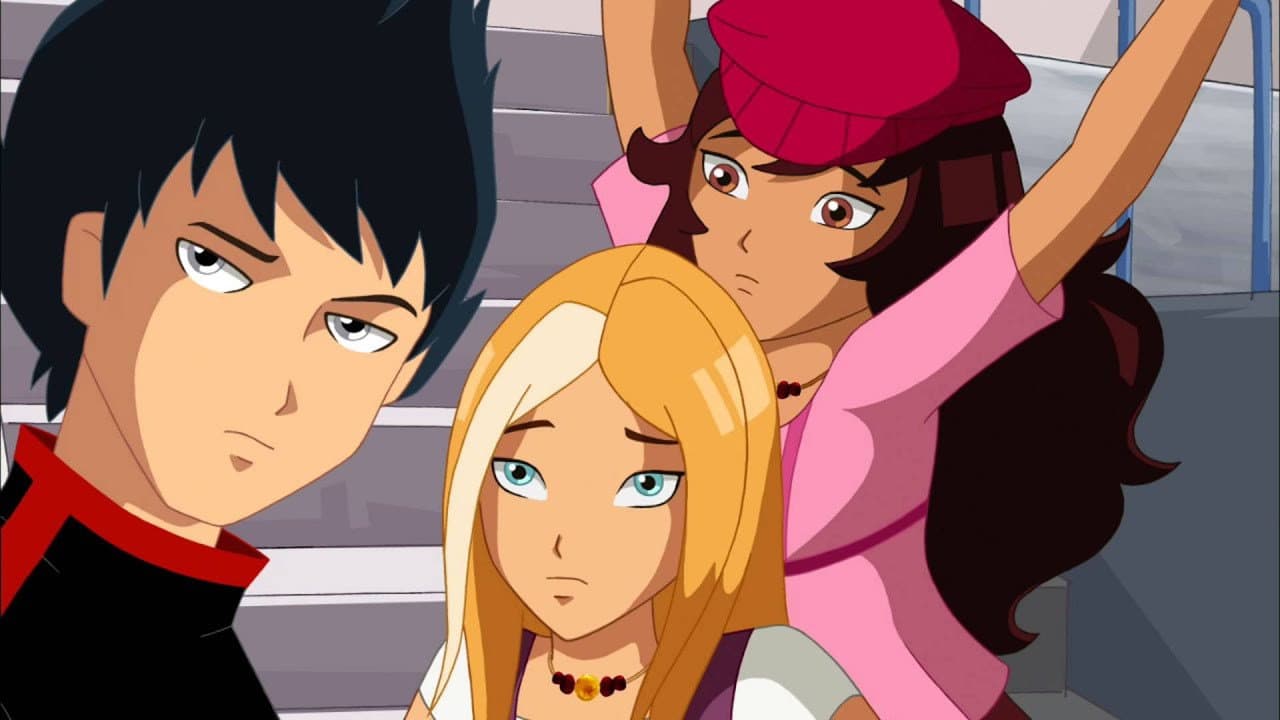
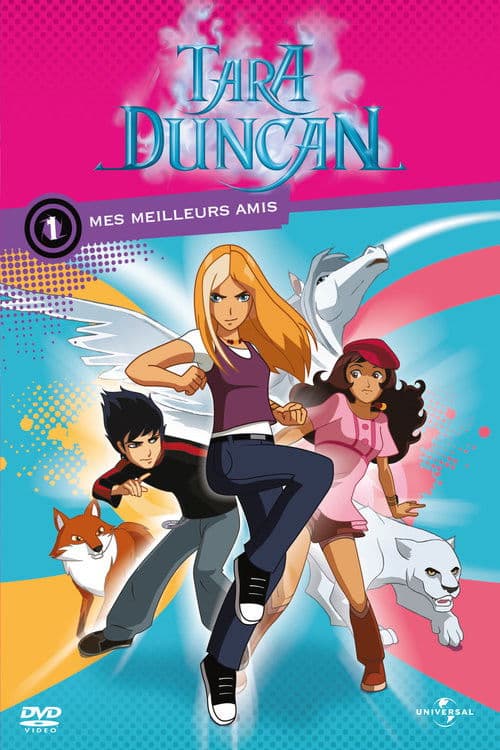
Tara Duncan is a French animated series produced by Moonscoop, best known for Code Lyoko. The show premiered in June 2010 in France on Disney XD, and at an unknown date in the United States. It is based on a series of French novels. Tara Duncan is a TV series about a 17-year old girl who is also a Spellbinder and defeats evil villains from the Otherworld with her fellow Spellbinders and friends Sparrow and Cal.
About this title
- Format
- TV series
- Year
- 2010
- Runtime
- 23m
- Countries
- France
- Original language
- FR
- Directed by
- Sophie Audoin-Mamikonian
- Main cast
- Céline Melloul, Tony Marot, Isabelle Volpe, Benoît Allemane, Marie Nonnenmacher, Marie Nonnenmacher, Nathalie Bienaimé, Nathalie Bienaimé, Yann Pichon, Nayeli Forest
- Studios
- Disney Channel France, MoonScoop
Content barometer
- Violence2/5Moderate
- Fear2/5A few scenes
- Sexuality0/5None
- Language0/5None
- Narrative complexity1/5Accessible
- Adult themes0/5None