Tales from the Magic Garden
Pohádky po babičce
Does this age rating seem accurate to you?
Detailed parental analysis
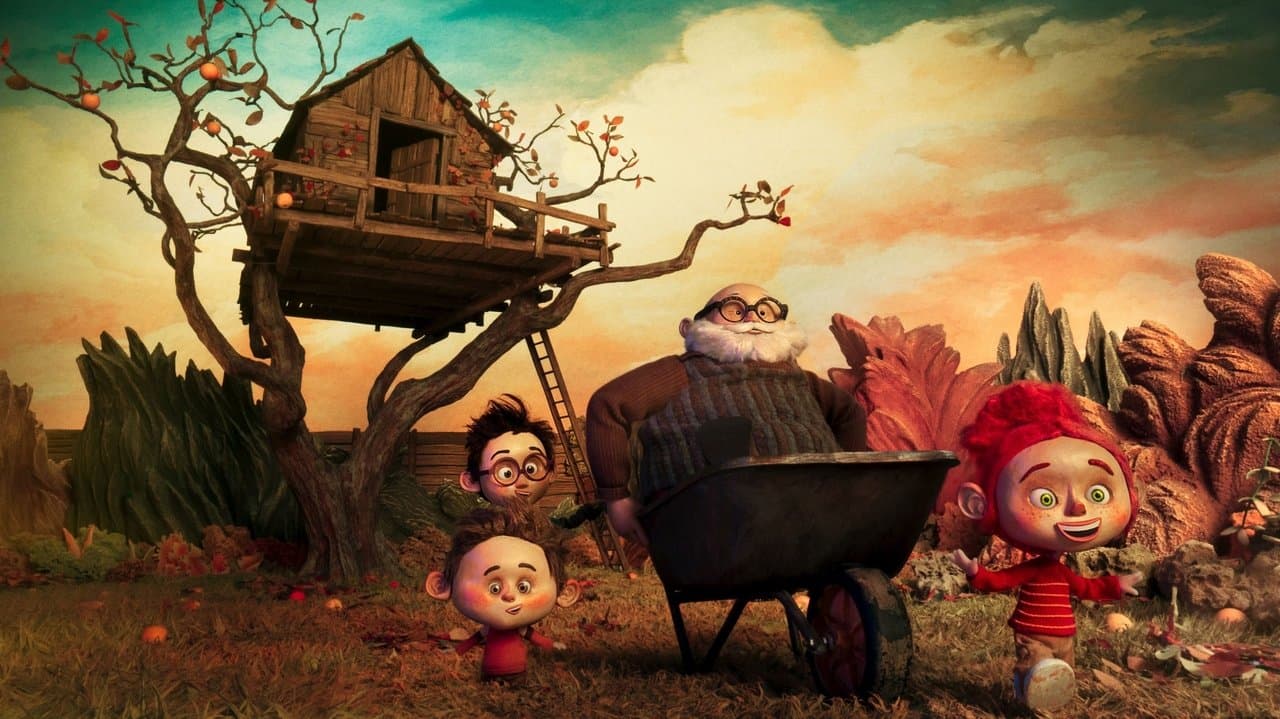
Tales from the Apple Tree is a contemplative and gentle film with a hushed atmosphere, weaving together several short narratives around a magical tree and a missing grandmother. A group of children, gathered in a garden, discover enchanted stories that help them come to terms with grief and fear. The film is primarily aimed at young children and their parents, with a clearly family-oriented and compassionate intention.
Underlying Values
The narrative rests on a profound conviction: imagination and storytelling are tools of consolation in the face of loss. Far removed from any individualism or logic of achievement, the film celebrates intergenerational transmission, solidarity among children, and respect for the time needed to grieve. Magic is never an easy solution but a symbolic space that allows characters to navigate their pain without fleeing from it. The authority of adults is kind and protective, never oppressive.
Parental and Family Portrayals
The death of parents constitutes one of the film's strongest narrative threads: in one of the stories, two children lose their father and mother in an accident and find themselves facing the threat of state intervention. This situation is treated without excessive dramatisation but with genuine candour, which may prompt direct questions from younger viewers. An elderly male character, portrayed with restrained tenderness, keeps his deceased wife's slippers at the side of the bed: a discrete yet powerful detail about adult grief, which sensitive children will not fail to notice. The parental figure, even when absent, remains an affectionate presence in the characters' memory.
Social Themes
The film discreetly addresses the matter of child protection and placement in foster care or institutional settings, without rendering it an anxiety-inducing subject but by naming it clearly. For certain children, depending on their family experience, this reference could resonate in an unexpected way. This is a point worth bearing in mind before viewing.
Strengths
The film is distinguished by its rare ability to speak of death to children without talking down to them or frightening them. The writing of the various tales is careful, each narrative having its own rhythm and emotional colour, which prevents monotony and sustains interest throughout. The figure of the magical cat and the presence of a tamed monster sit within a well-mastered tradition of folk storytelling, in which the strange serves the inner world. The film succeeds in the difficult task of rendering sadness bearable without diminishing it, by trusting in the sensitivity of its young audience.
Age recommendation and discussion points
The film is suitable from age 6 onwards, ideally with an adult present for the youngest in this age range, given the central presence of parental loss and the death of adult characters. Two discussion angles lend themselves well to conversation after viewing: ask the child what he or she thinks about how the characters keep the memory of those they have lost, and ask whether he or she also knows stories or objects that remind them of someone they love.
Synopsis
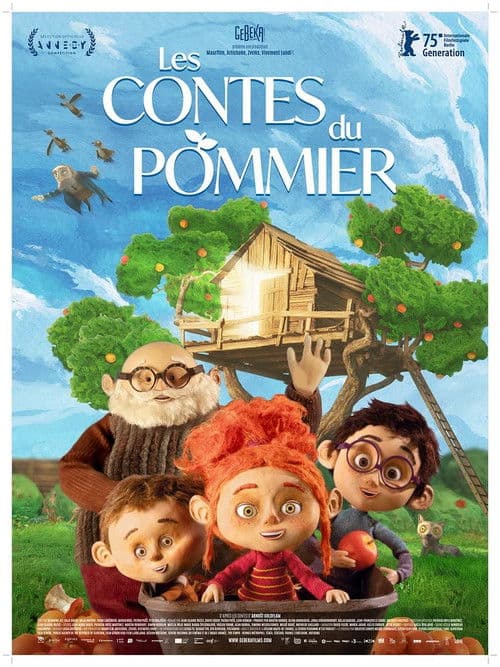
Tom (4 years old), Suzanne (8) and Derek (10) spend the weekend with their grandparents. But nothing is as usual: Grandpa seems to be elsewhere; Tom wonders where Grandma has gone, she who always tells him incredible stories; Derek is hard at work renovating the old apple tree hut. So following in the footsteps of her ancestor, Suzanne improvises herself as a storyteller to illuminate the house with imaginary and wonderful stories and try to fill the absence of Grandmother. The movie is an adaptation of three tales written by Arnost Goldflam.
About this title
- Format
- Feature film
- Year
- 2025
- Runtime
- 1h 10m
- Countries
- Czech Republic, Slovakia, Slovenia, France
- Original language
- CS
- Directed by
- Jean-Claude Rozec, Patrik Pašš, Leon Vidmar, David Súkup
- Main cast
- Zuzana Kronerová, Arnošt Goldflam, Mikuláš Čížek, Zofie Hanova, Alex Mojzis, Miroslav Krobot, Eliška Křenková, Ivan Trojan, Pavla Beretová, Dana Černá
- Studios
- MAUR film, Artichoke, ZVVIKS, Vivement lundi !, Česká televize, RTVS, RTV Slovenija, Pictanovo
Content barometer
- Violence0/5None
- Fear2/5A few scenes
- Sexuality0/5None
- Language0/5None
- Narrative complexity2/5Moderate
- Adult themes0/5None
Values conveyed
- Compassion
- Loyalty
- Autonomy
- sibling solidarity
- imagination and creativity
- memory and tribute to elders
- storytelling and transmission
- resilience in grief
- family tenderness