Stitch Head
Does this age rating seem accurate to you?
Detailed parental analysis
The Monster Factory is a fantastical animated film with a gothic and playful atmosphere, oscillating between the chill of a fairy tale and benevolent comedy. The story follows Stitch Head, a creature forgotten by his creator, who must find his place when a travelling circus arrives at the castle and disrupts the fragile balance of his life. The film is aimed at children from seven to eight years old and can appeal to the whole family, provided that younger children are accompanied during a few more unsettling scenes.
Underlying Values
The film constructs its central argument around a fundamental distinction between genuine love and exploitation disguised as affection. The circus director offers Stitch Head the promise of finally being recognised and loved, but this promise masks cold instrumentalisation for profit. The narrative deconstructs this mechanism with genuine pedagogical clarity: being wanted is not enough if it is merely to be used. In parallel, the community of monsters at the castle embodies a chosen family founded on mutual acceptance, a positive and concrete counterpoint to the logic of performance and spectacle that the circus represents. It is upon these two poles that the film builds its narrative intelligence.
Parental and Family Portrayals
The creator, a central parental figure, is a scientist who built Stitch Head and then neglected him, turning his attention to his new creations. The abandonment is not violent but it is structural and profound: the protagonist grows up in emotional invisibility, convinced that he has no value. The film does not condemn the creator brutally, but nor does it minimise the damage caused by this indifference. For a child who has experienced some form of rejection or felt inadequate within his own family, this narrative thread can resonate strongly and merits being anticipated.
Violence
Violence remains in an avowed cartoon register, without gore or gratification. The most striking moment is the tearing off of Stitch Head's arm during a circus act, broadcast publicly before the limb is sewn back on. One scene shows a man falling from a burning hot air balloon into the jaws of a creature with sharp teeth. A shadowy figure seems to represent a creature devouring a child. These images are constructed in an expressionist aesthetic that signals the fantastical register rather than real danger, but they may startle more sensitive children around five to six years old. The angry crowd that storms the castle with torches follows a classical monster genre archetype that can impress without traumatising.
Discrimination
The film places fear of the other and rejection of difference at the heart of its conflict. The town's inhabitants form a hateful mob against the monsters solely out of prejudice and irrational terror, and the narrative clearly treats this behaviour as a collective moral error. The creatures are presented as victims of this fear, never as legitimate threats. The film does not moralise heavily but its narrative structure makes the message readable for a child: frightening appearance says nothing about a being's character, and group violence rooted in fear is unjust.
Language
A few mild insults punctuate the film, notably terms such as 'freaks', 'losers' or 'morons', without exceeding moderate rudeness. These words are used by antagonistic characters or in conflict contexts, which allows for natural discussion with the child. There is no crude language in the proper sense, and the potty humour includes a scene of visible underwear and a bra thrown onto the stage, in a burlesque register typical of the genre.
Sex and Nudity
Content of this nature is limited to two visual gags without erotic bearing: trousers falling to reveal underwear, and a bra thrown from the audience. These elements fall within the physical humour of classic family comedy and require no particular preparation.
Strengths
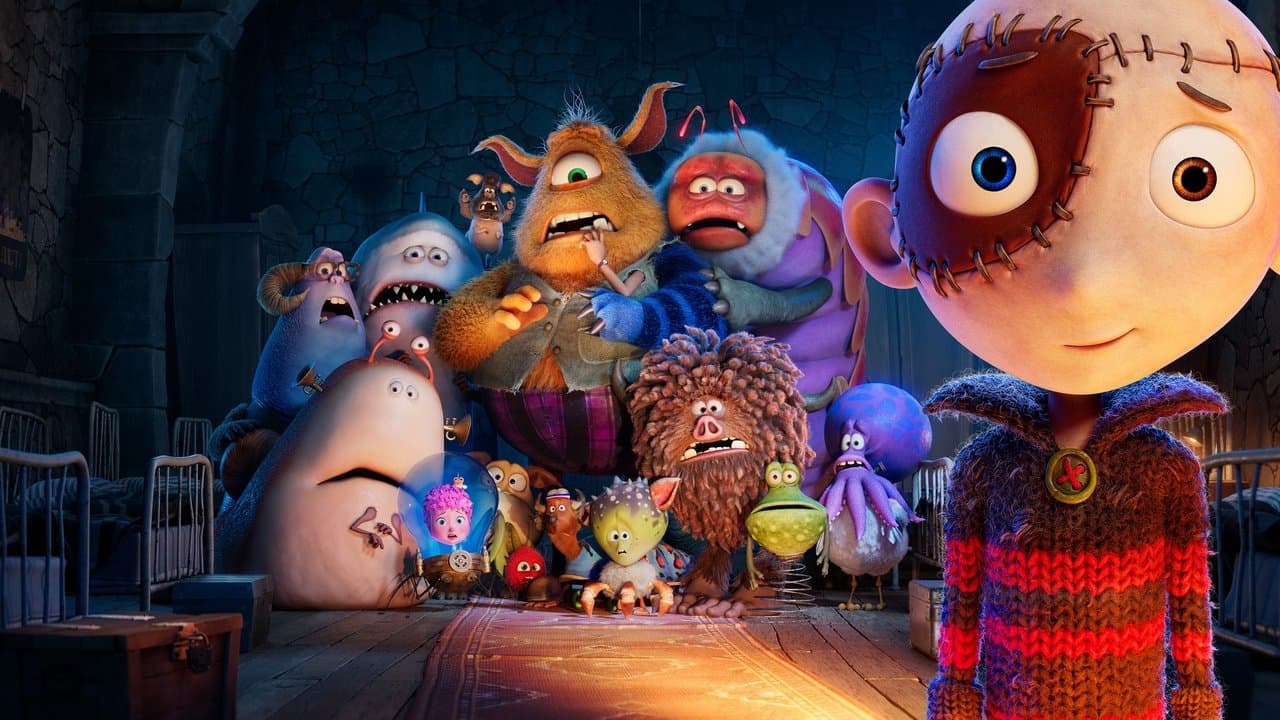
The film succeeds in articulating a gothic fairy tale aesthetic with a tone emotionally accessible to children, without falling into sanitisation. The construction of Stitch Head's character, inhabited by the desire to be recognised, has sincere psychological depth that avoids overly swift resolutions. The treatment of emotional manipulation through the circus is particularly well written for a young audience: it names a real mechanism without ever explaining it didactically. The film also offers a fine gallery of secondary creatures that constitute an endearing community, making concrete the idea that family can be built outside biological ties.
Age recommendation and discussion points
The film is well suited from seven to eight years old, with parental accompaniment recommended for children aged five to six who might be unsettled by the darkest sequences. Two angles of discussion are worth opening after viewing: ask the child how he distinguished those who truly loved Stitch Head from those who were pretending, and why the town's inhabitants were so afraid of creatures that meant them no harm.
Synopsis
Stitch Head was the first creature brought to 'almost life' by mad professor Erasmus. In the years since, he’s become nursemaid to the master’s ever-growing menagerie of neglected creatures, tasked with teaching them to suppress their 'inner monster' and hide out in the castle — away from prying eyes and itchy pitchfork fingers, of the village mob in the valley below. But when grubby circus impresario Fulbert Freakfinder arrives offering Stitch Head a starring role in his freak show, our hero is tempted by the promise of love and acceptance.
About this title
- Format
- Feature film
- Year
- 2025
- Runtime
- 1h 29m
- Countries
- Germany, Luxembourg, India, United States of America, United Kingdom
- Original language
- EN
- Directed by
- Steve Hudson
- Main cast
- Asa Butterfield, Joel Fry, Alison Steadman, Rob Brydon, Seth Usdenov, Fern Brady, Tia Bannon, Jamali Maddix, Paul Tylak, Ruth Gibson
- Studios
- GFM Animation, Rabbits Black, Aniventure, GRINGO films, Fabrique d'images, Senator Film, Traumhaus Studios, Assemblage Entertainment
Content barometer
- Violence2/5Moderate
- Fear3/5Notable tension
- Sexuality1/5Allusions
- Language1/5Mild
- Narrative complexity1/5Accessible
- Adult themes0/5None
Watch-outs
- Bullying
- Mockery
Values conveyed
- Acceptance of difference
- Compassion
- Loyalty
- acceptance
- friendship
- difference
- belonging