Static Shock
Does this age rating seem accurate to you?
Detailed parental analysis
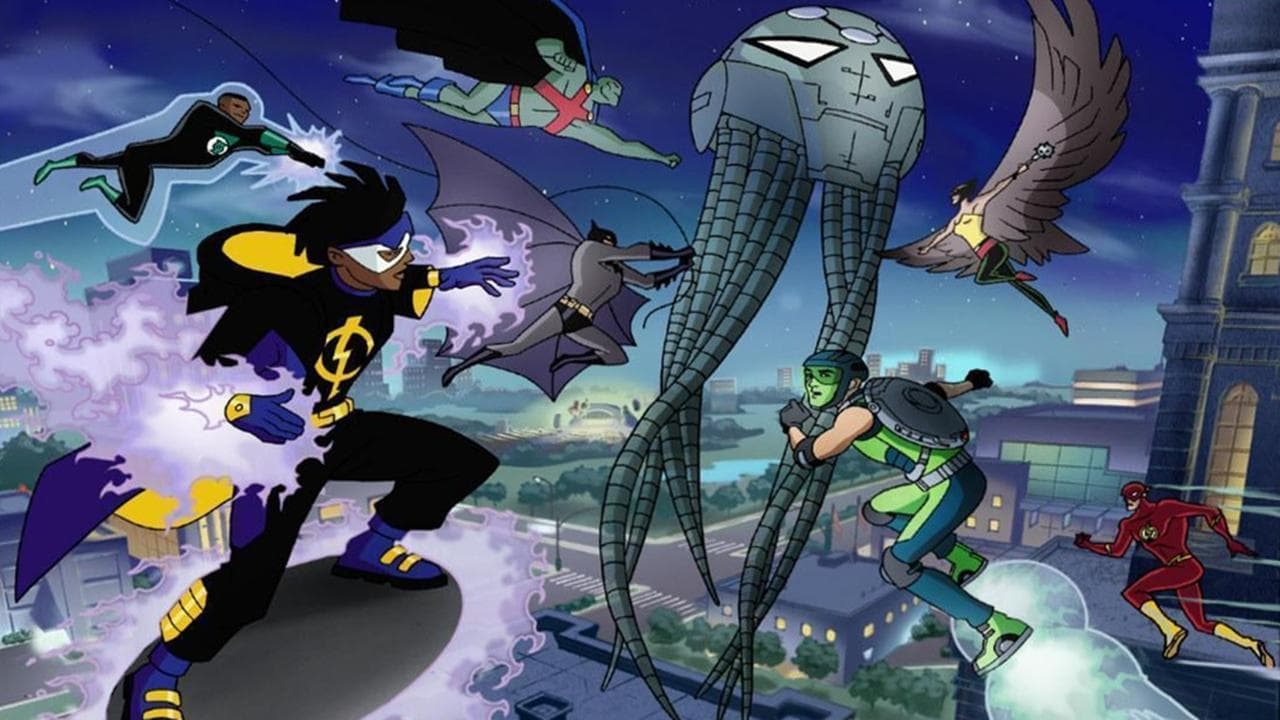
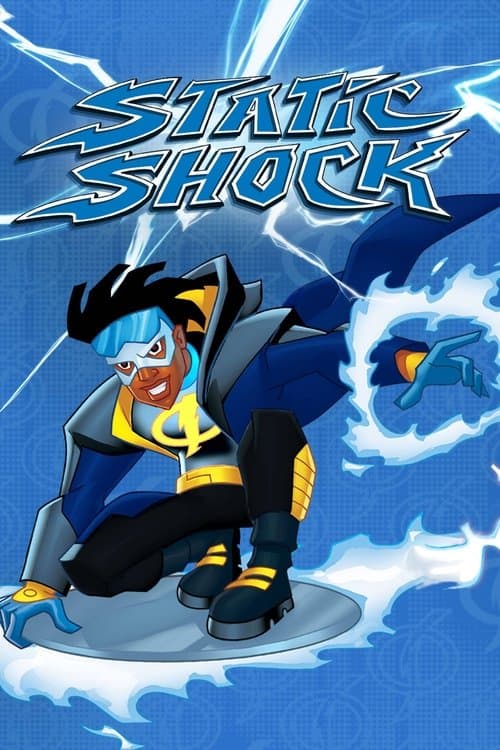
Static Shock is a superheroic animated series with a dynamic and engaged atmosphere, carried by a tone that is accessible yet never naive. It follows Virgil Hawkins, an African American teenager who acquires electrical powers and chooses to put them to the service of his community under the name of Static. The series targets a young adolescent audience, but the way it addresses subjects such as racism, school bullying and mental health gives it a reach far beyond simple entertainment.
Social Themes
This is the most remarkable dimension of the series. Several episodes deal head-on with serious subjects: one episode depicts a school shooting scenario, where a bullied teenager brings a firearm into a community centre and accidentally wounds a friend. Another episode addresses everyday racism through the father of a secondary character, who makes openly discriminatory remarks. Depression and mental health are also represented, with characters who receive psychiatric support. These subjects are treated with seriousness and without sensationalism, making them valuable entry points for parent-child conversation, but they require adult presence for younger viewers.
Underlying Values
The narrative is structured around a fundamental moral choice: Virgil refuses to join a gang despite social pressure and chooses to use his powers to protect others. This positioning clearly values individual responsibility, resistance to peer pressure and commitment to the community. The friendship between Virgil and his best friend is presented as a solid emotional pillar, founded on loyalty and mutual support in times of crisis. These values are carried consistently throughout the series, without heavy-handed moralising.
Discrimination
The series does not merely represent diversity in a neutral way: it explicitly stages racism as a problem to be named and confronted. The episode centred on Richie's father shows an adult making racist remarks designating Black people as a separate group, and the series treats this as a hurtful and unacceptable reality, not as one opinion among others. This direct treatment of racial prejudice is rare in children's animation and deserves to be discussed with the child, particularly to contextualise the characters' reactions.
Violence
Violence is present throughout the series in the form of stylised animated combat, primarily electrical attacks and physical exchanges. It remains within the codes of the superheroic genre and is neither gory nor gratuitous. The school shooting episode is a case apart: the violence there is accidental, its consequences are shown with gravity, and the episode glorifies it at no point. It is precisely this restraint that makes it potentially disturbing content for a young child, but useful for an accompanied adolescent.
Parental and Family Portrayals
Parental figures are present and differentiated. Virgil's father is represented as a benevolent and engaged adult, which is notable in a superheroic series where parents are often absent or failing. Conversely, Richie's father embodies a problematic parental figure through his racial prejudices, which opens up reflection on the transmission of values within the family and on a child's capacity to construct themselves differently from their parents.
Strengths
Static Shock is one of the rare children's animated series to have addressed subjects such as school shootings, everyday racism and mental health without softening them or instrumentalising them. The writing trusts in the intelligence of the young viewer and does not resolve tensions in an artificial way. The construction of the main character, torn between social pressure and moral sense, offers a solid arc of identification for an adolescent. The series left a lasting mark on a generation of viewers precisely because it did not limit itself to superheroic action but anchored its narratives in recognisable social realities.
Age recommendation and discussion points
The series is suitable from 9 or 10 years old for accompanied viewing, and fully accessible from 12 years old independently. Two angles of discussion naturally emerge after viewing: why does Virgil choose not to join the gang when it is the path of least resistance, and what to do when a trusted adult, such as a parent, makes racist or hurtful remarks.
Synopsis
An ordinary inner-city kid gains extraordinary powers and becomes an urban legend as the first teenage African-American superhero.
Where to watch
Availability checked on Apr 29, 2026
About this title
- Format
- TV series
- Year
- 2000
- Runtime
- 22m
- Countries
- United States of America
- Original language
- EN
- Directed by
- Dwayne McDuffie, Michael Davis, Denys Cowan, Derek Dingle
- Main cast
- Phil LaMarr, Jason Marsden, Kevin Michael Richardson, Michele Morgan
- Studios
- Warner Bros. Animation