
Static Shock
Static Shock
Your feedback improves this guide
Your feedback highlights guides that need a second look and keeps the rating trustworthy.
Does this age rating seem accurate to you?
Sign in to vote
Watch-outs
What this film brings
Content barometer
Violence
2/5
Moderate
Fear
2/5
A few scenes
Sexuality
1/5
Allusions
Language
1/5
Mild
Narrative complexity
1/5
Accessible
Adult themes
0/5
None
Expert review
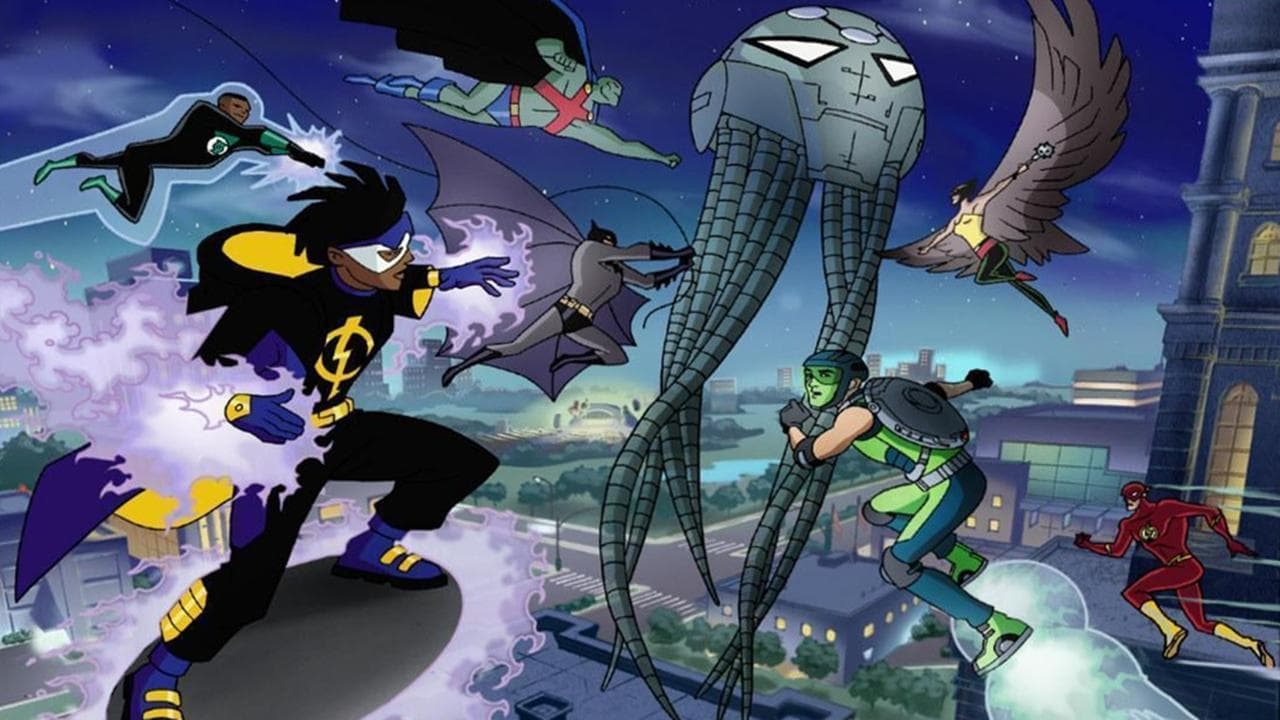
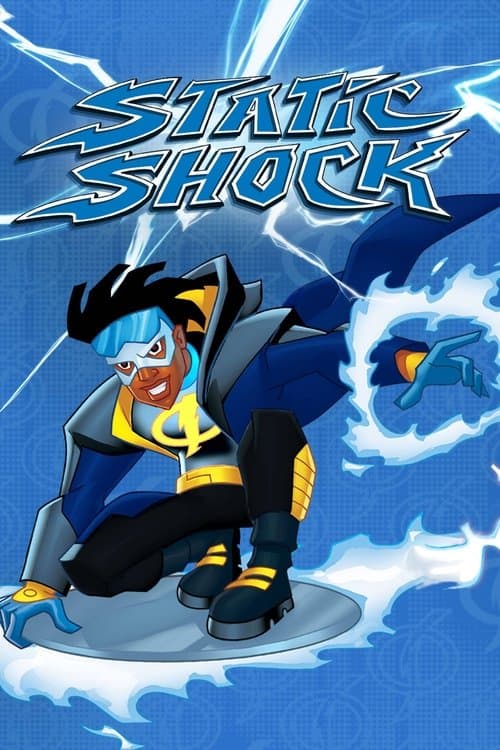
Static Shock is a superhero series aimed at children and younger teens, with an energetic, urban tone that stays broadly reassuring even though its starting premise is heavier than many shows for the same age group. The main sensitive elements involve gang conflict, a teenager being pressured into a fight, repeated threats between youths, super powered villains created by a chemical accident, and the explicit backstory that the hero's mother died in gang related gunfire. The action is stylized rather than graphic, with power battles, chases, and regular moments of danger, but the social theme of street violence may stand out more strongly for very young viewers. For most children, the show becomes genuinely engaging around age 8, with support if they are sensitive to grief, bullying, or stories about gangs. Parents can help by framing the series as a story about responsibility and moral choices, then talking afterward about peer pressure, refusing violence, and the way Virgil chooses to protect others with his abilities. It is also worth noting that the work carries dated gender stereotypes, especially in the way some female characters are presented or placed in distress. This does not automatically make the series unsuitable, but it is worth flagging and can be discussed with children.
Synopsis
An ordinary inner-city kid gains extraordinary powers and becomes an urban legend as the first teenage African-American superhero.
Difficult scenes
The series begins with a conflict between youth gangs and a planned fight in an isolated area. The presentation remains animated and non graphic, but the gang context, police presence, and idea of a teenager being drawn into group violence may feel intense for a very young child. An explosion involving chemical containers releases a gas that transforms several people and creates dangerous super powered opponents. The scene is not gory, but it mixes chaos, panic, and sudden mutation, which can unsettle children who are sensitive to accidents or threatening bodily changes. The story clearly states that Virgil's mother died during an exchange of gunfire between gangs. This is not shown in a graphic way, but it adds real emotional weight and may lead children to ask questions about death, grief, and gun violence. Virgil also deals with a bully and moments of school humiliation that feed some of the conflict. These scenes stay within a youth oriented framework, but they may resonate strongly with children who have already experienced teasing, intimidation, or pressure to prove themselves.
Where to watch
No verified platform for the US market yet. We keep this section updated as availability changes.
About this title
- Format
- TV series
- Year
- 2000
- Runtime
- 22m
- Countries
- United States of America
- Original language
- EN
- Directed by
- Dwayne McDuffie, Michael Davis, Denys Cowan, Derek Dingle
- Main cast
- Phil LaMarr, Jason Marsden, Kevin Michael Richardson, Michele Morgan
- Studios
- Warner Bros. Animation
Content barometer
Violence
2/5
Moderate
Fear
2/5
A few scenes
Sexuality
1/5
Allusions
Language
1/5
Mild
Narrative complexity
1/5
Accessible
Adult themes
0/5
None
Expert review
Static Shock is a superhero series aimed at children and younger teens, with an energetic, urban tone that stays broadly reassuring even though its starting premise is heavier than many shows for the same age group. The main sensitive elements involve gang conflict, a teenager being pressured into a fight, repeated threats between youths, super powered villains created by a chemical accident, and the explicit backstory that the hero's mother died in gang related gunfire. The action is stylized rather than graphic, with power battles, chases, and regular moments of danger, but the social theme of street violence may stand out more strongly for very young viewers. For most children, the show becomes genuinely engaging around age 8, with support if they are sensitive to grief, bullying, or stories about gangs. Parents can help by framing the series as a story about responsibility and moral choices, then talking afterward about peer pressure, refusing violence, and the way Virgil chooses to protect others with his abilities. It is also worth noting that the work carries dated gender stereotypes, especially in the way some female characters are presented or placed in distress. This does not automatically make the series unsuitable, but it is worth flagging and can be discussed with children.
Synopsis
An ordinary inner-city kid gains extraordinary powers and becomes an urban legend as the first teenage African-American superhero.
Difficult scenes
The series begins with a conflict between youth gangs and a planned fight in an isolated area. The presentation remains animated and non graphic, but the gang context, police presence, and idea of a teenager being drawn into group violence may feel intense for a very young child. An explosion involving chemical containers releases a gas that transforms several people and creates dangerous super powered opponents. The scene is not gory, but it mixes chaos, panic, and sudden mutation, which can unsettle children who are sensitive to accidents or threatening bodily changes. The story clearly states that Virgil's mother died during an exchange of gunfire between gangs. This is not shown in a graphic way, but it adds real emotional weight and may lead children to ask questions about death, grief, and gun violence. Virgil also deals with a bully and moments of school humiliation that feed some of the conflict. These scenes stay within a youth oriented framework, but they may resonate strongly with children who have already experienced teasing, intimidation, or pressure to prove themselves.