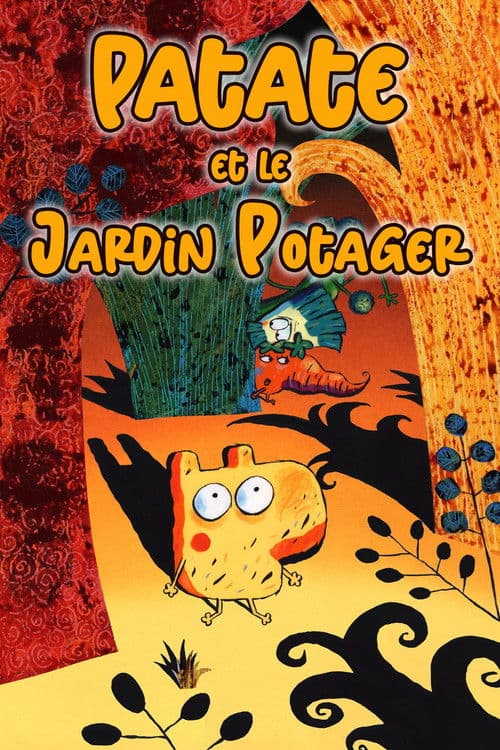
Spud and the Vegetable Garden
Does this age rating seem accurate to you?
Detailed parental analysis
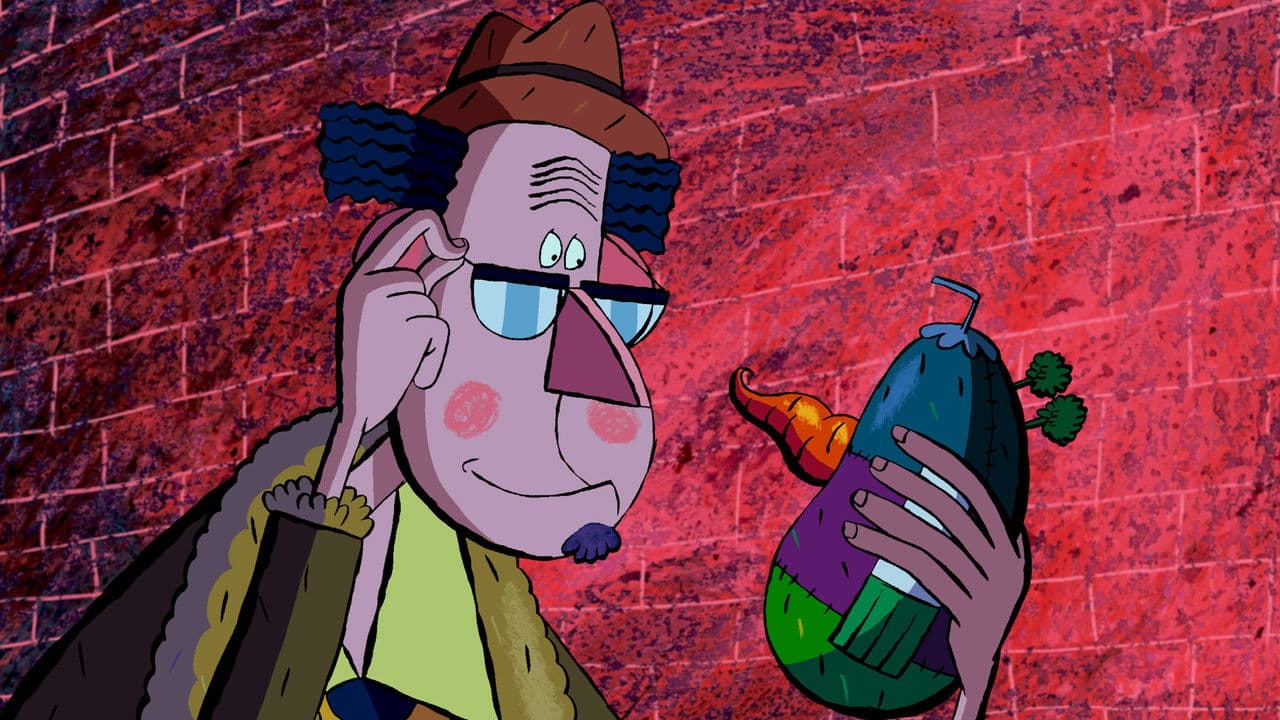
Potato and the Vegetable Garden is a light-hearted and colourful children's animated short, punctuated by deliberately comedic sequences that parody the conventions of classic horror. The plot follows a band of vegetables organising themselves to escape their fate and break free from the grip of a gardener conducting questionable experiments. The film is aimed at young children from four years old and works as a collective adventure brimming with humour.
Underlying Values
The narrative carries clear and coherent structural values. Autonomy is at the heart of the film: the vegetables discover they can organise themselves and exist independently of the gardener's authority, offering a positive message about the capacity to act for oneself. Collective solidarity is the true driving force of the story, with characters only succeeding by uniting their strength. The film also conveys a form of acceptance of differences through the character of Soup, the monstrous creature born from the gardener's experiments, who ends up integrated into the group unconditionally. These values are embodied in action rather than stated outright, which makes them all the more assimilable for a young child.
Social Themes
The film slips in an implicit critique of genetically modified organisms through the figure of the gardener-scientist, whose manipulations produce an uncontrollable monstrous vegetable. The analogy is accessible even to children in the form of a fairy tale, and can naturally become a starting point for discussing how science can be misused or poorly controlled. The treatment remains humorous and free from heavy didacticism, leaving genuine room for discussion without imposing a conclusion.
Violence
The sequences parodying horror films, notably the creation of the vegetable-monster in a dark laboratory with mystical music, may surprise more sensitive children, though the clearly burlesque tone defuses any unease. There is no real violence or frightening content in the strict sense: the register remains that of children's horror comedy, comparable to Monsters Under the Bed or the false villains of classic animated films. A four-year-old child who is somewhat fearful may need an adult present during the darkest passages.
Strengths
The film draws genuine narrative effectiveness from its choice of vegetable protagonists, which makes it possible to address serious themes such as autonomy, fear of the different, and scientific manipulation with a playful distance well-calibrated for the young audience. The Frankenstein parody is a pleasant cultural nod that works at multiple levels of reading depending on the viewer's age. The collective writing of the characters, which does not rely on any isolated hero, coherently reinforces the message of solidarity without rendering it artificial.
Age recommendation and discussion points
The film is suitable from four years old, with caution for children very sensitive to dark atmospheres during the parodic sequences. Two interesting angles for discussion after viewing: ask the child why Soup, despite his frightening appearance, deserves to be accepted by the group, and explore together the idea that the vegetables did not need the gardener in order to decide their own fate.
Synopsis
In a vegetable garden, four vegetables find that their good gardener, who has come to harvest them, has forgotten them. A small carrot, a timid leek and a cunning broccoli decide to send Patate, the fourth of the gang, as a scout...
About this title
- Format
- Short film
- Year
- 2000
- Runtime
- 26m
- Countries
- France
- Original language
- FR
- Studios
- Folimage, WDR/Arte, SWR/Arte, Teletoon, France 3, TPS Jeunesse, Conta'm
Content barometer
- Violence1/5Mild
- Fear2/5A few scenes
- Sexuality0/5None
- Language0/5None
- Narrative complexity0/5Simple
- Adult themes0/5None
Values conveyed
- Courage
- Acceptance of difference
- Perseverance
- Autonomy
- friendship
- curiosity