
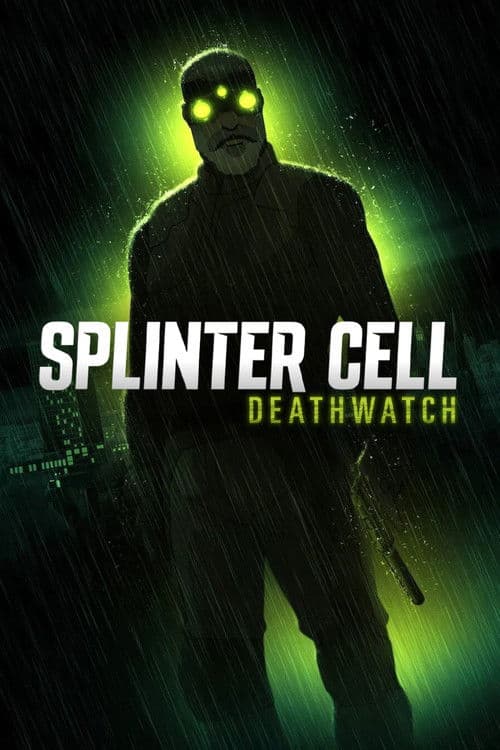
Splinter Cell: Deathwatch
Does this age rating seem accurate to you?
Detailed parental analysis
Splinter Cell: Deathwatch is an action and espionage film with a dark and tense atmosphere, adapted from the well-known video game franchise of the same name familiar to gamers. The plot follows a veteran intelligence officer forced back into service to thwart an imminent threat, supported by a young recruit who becomes his protégé. The film is unambiguously aimed at adult audiences and informed teenagers, with violence considerably more graphic than what the source games might have led audiences to anticipate.
Violence
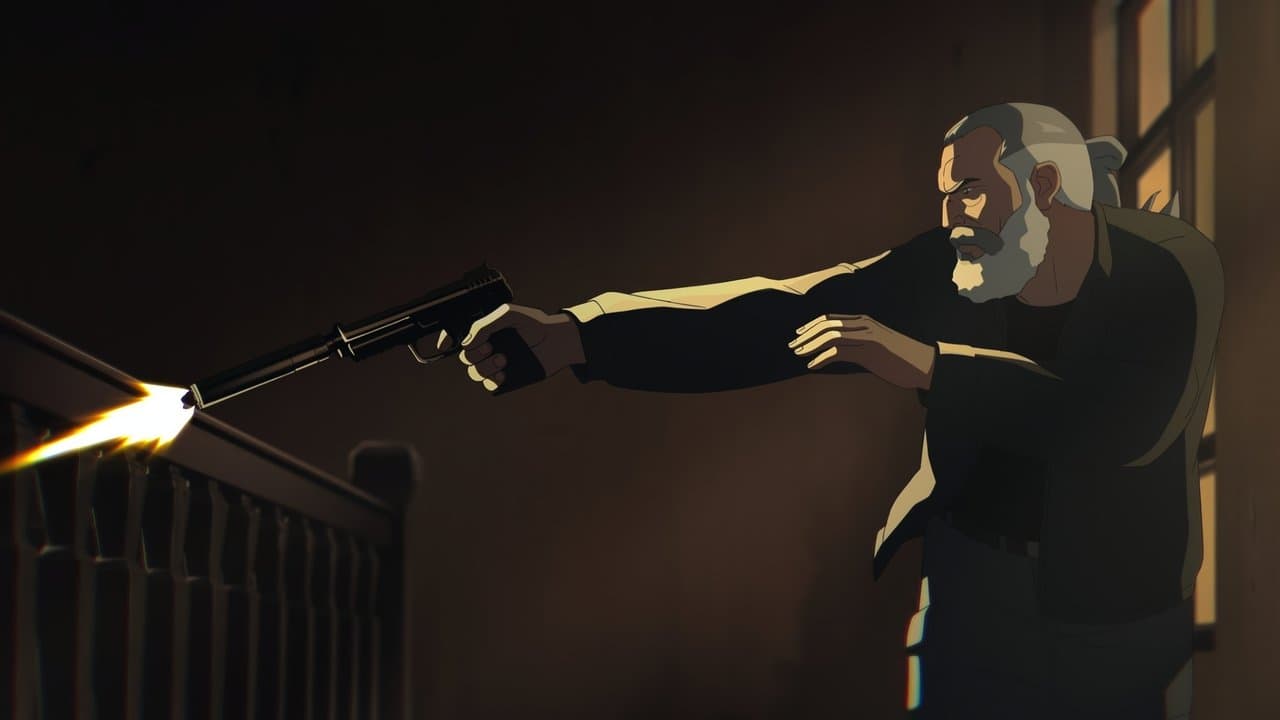
Violence is the film's dominant hallmark and most striking feature. It is graphic, frequent and detailed: stab wounds to the face, slit throats, scalpels used as weapons, shattered skulls, blood spray across sets and bodies. Scenes of torture and brutal interrogation are shown explicitly on screen, including the execution of an agent. This violence significantly exceeds the usual standards of the espionage genre and surpasses what the source video games offered. It is partially framed by narrative logic, with the protagonists acting to protect innocent lives, but this justification does not temper its repeated and visceral nature. For a teenager, the question to pose is where the boundary lies between dramatic tension and gratuitous gore.
Underlying Values
The film develops an interesting moral tension: its heroes are State agents who kill and torture in the name of a greater collective good, and the narrative does not pretend these acts are without consequence. The protagonist's guilt and remorse regarding his past occupy genuine space in the storytelling, which avoids the usual binary scheme of the action film. Themes of loyalty, bravery and teamwork structure character relationships, and the mentoring dynamic between the ageing agent and the young recruit gives the narrative a dimension of transmission that distinguishes it from mere combat film. Yet the valorisation of violence as a tool serving a just cause remains the central value, and it merits explicit discussion.
Discrimination
The film constructs slight tension in the portrayal of its older male protagonist who finds himself in a position of vulnerability and must be rescued by a younger woman, which inverts a classical schema. Furthermore, several leadership roles are held by women from diverse ethnic backgrounds, without the narrative treating this as a matter of stakes or commentary. These choices carry no heavy-handed message, but they offer a concrete foothold for discussing with a teenager the question of who embodies authority and competence in espionage narratives.
Substances
Alcohol consumption and smoking are regularly visible throughout the film. These elements are treated as character attributes of adult characters, without being explicitly valorised or condemned. They fit into an aesthetic of the classic espionage film that associates these habits with a certain idea of virility or the weight of experience.
Language
Coarse language is present in moderate fashion, with a few occasional occurrences. This point is minor relative to the film's other content, but it reinforces the clearly adult orientation of the whole.
Strengths
The film benefits from carefully crafted action direction, with combat sequences whose clarity and intensity are praised as high-end for the genre. The mentoring dynamic between the two main protagonists gives rare emotional depth to this type of production, and the exploration of the central character's remorse brings a moral nuance that action espionage films often sidestep. For fans of the video game franchise, the film constitutes a solid object for intergenerational dialogue, even though its treatment is considerably more violent than the original games, which is precisely one of the points to anticipate.
Age recommendation and discussion points
The film is not recommended before age 16 due to sustained graphic violence and explicit torture scenes, and comfortable viewing is best suited to ages 17 or 18 for more sensitive viewers. Two angles of discussion are worth opening after viewing: first, how far can a just cause justify violent acts, and who is it for to decide, and second, why does an action film feel the need to go so far in gore detail when dramatic tension could work without it.
Synopsis
In the shadowy world of espionage, Sam Fisher is a rumor and a legend. Pulled back into action, he must help a new recruit unravel a global conspiracy.
Where to watch
Availability checked on Apr 03, 2026
About this title
- Format
- TV series
- Year
- 2025
- Countries
- France, United States of America
- Original language
- EN
- Directed by
- Derek Kolstad
- Main cast
- Liev Schreiber, Kirby Howell-Baptiste, Bella Dayne, Janet Varney, Kari Wahlgren, Aleks Le, Kiff VandenHeuvel, Joel Oulette, Helen Hong, Navid Negahban
- Studios
- Ubisoft Film & Television, FOST, Æsten, Story Kitchen
Content barometer
- Violence5/5Very strong
- Fear4/5Intense
- Sexuality0/5None
- Language2/5Moderate
- Narrative complexity1/5Accessible
- Adult themes2/5Present
Values conveyed
- Courage
- Perseverance
- Loyalty
- mentorship
- sense of duty
- resilience