Song of the South
Does this age rating seem accurate to you?
Detailed parental analysis
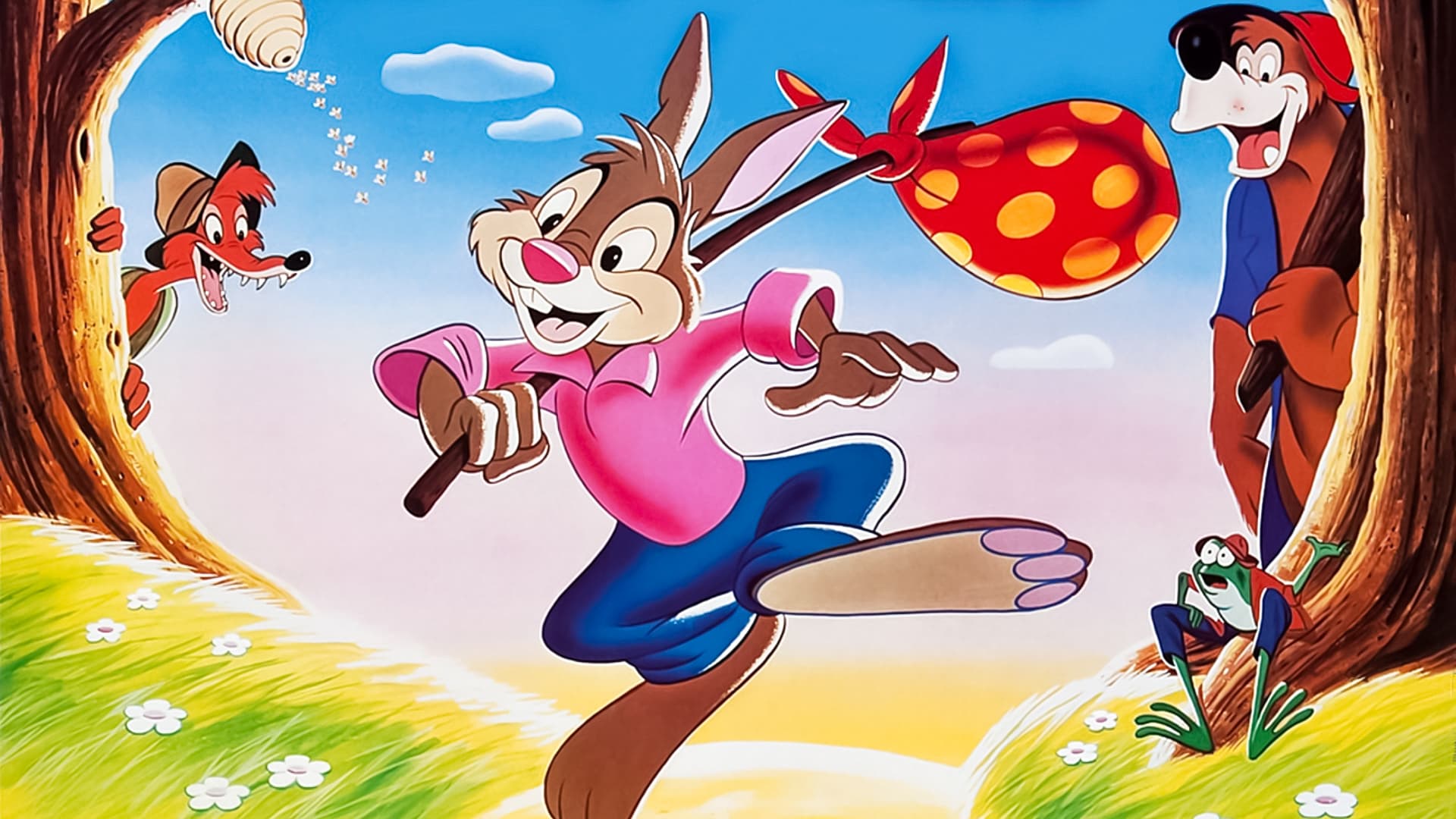
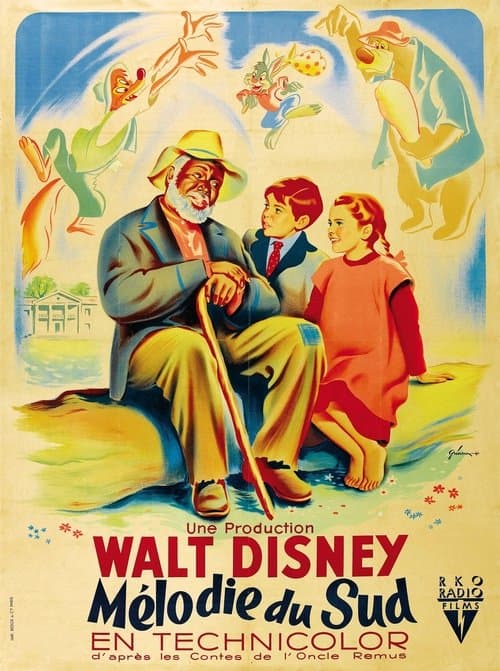
Song of the South is a Disney film blending live-action sequences with animation, set in a gentle, bucolic atmosphere that contrasts sharply with the depth of the issues it raises. The plot follows a young boy who, sent to live on his grandmother's plantation in the American South, finds comfort with an elderly man who tells him animated fables featuring Brer Rabbit. The film presents itself as a work for young children, but its ideological content makes it today a far more complex object, one that Disney itself has chosen no longer to distribute.
Discrimination
This is the film's central and most troubling point. The entire representation of Black characters rests on stereotypes deeply rooted in American segregationist imagination: exaggerated and caricatural dialect, posture of contented servitude, complete erasure of any historical reality linked to slavery or segregation. The setting of the Southern plantation is presented as an idyllic and harmonious place, which constitutes a grave ideological falsification. The tar baby sequence, drawn from Joel Chandler Harris's tales, has long been associated with a racist slur against Black people. The film never questions these representations: it establishes them as natural and benevolent, which makes them all the more insidious for a young viewer without critical framework.
Parental and Family Portrayals
Parental separation lies at the heart of the film's emotional narrative. The young protagonist does not understand why his parents live apart, and this confusion is a source of genuine emotional distress. The father is absent, the mother is distant and emotionally unavailable. It is an elderly man outside the family who plays the role of comforting figure and guide. This pattern can resonate strongly with children experiencing similar family situations, and warrants anticipation by parents.
Underlying Values
The film valorises oral transmission, popular wisdom and the capacity of narratives to help people through life's trials. These dimensions are real and positive. But they are inscribed within an ideological framework that idealises an unequal social order without ever naming or questioning it. The racial and social hierarchy of the plantation is presented as a natural and affectionate balance, which constitutes a problematic structural message, all the more difficult to deconstruct because it is wrapped in warmth and nostalgia.
Strengths
The animated sequences possess visual inventiveness and rhythmic lightness that have marked the history of animation. The Brer Rabbit fables, in their own narrative logic, effectively illustrate strategies of cunning against brute force, a mechanism of folk tale that is universal and pedagogically fertile. The music, notably the song Zip-a-Dee-Doo-Dah, has undeniable mnemonic power. These formal qualities are real, but they do not compensate for the film's ideological problems: they actually make them harder to identify for a child, precisely because the packaging is seductive.
Age recommendation and discussion points
This film is not recommended for young children without solid adult accompaniment, and is inadvisable before age 10. From 10-12 years onwards, it can become a basis for discussion provided the parent is ready to actively contextualise what it shows. Two angles are essential after viewing: why did Disney cease to distribute this film, and what does this tell us about the way representations from one era can seem normal to those who produce them whilst being profoundly unjust to those they represent.
Synopsis
Uncle Remus draws upon his tales of Br'er Rabbit to help little Johnny deal with his confusion over his parents' separation as well as his new life on the plantation.
About this title
- Format
- Feature film
- Year
- 1946
- Runtime
- 1h 30m
- Countries
- United States of America
- Original language
- EN
- Directed by
- Harve Foster, Wilfred Jackson
- Main cast
- James Baskett, Ruth Warrick, Bobby Driscoll, Luana Patten, Lucile Watson, Hattie McDaniel, Erik Rolf, Glenn Leedy, Mary Field, Anita Brown
- Studios
- Walt Disney Productions
Content barometer
- Violence1/5Mild
- Fear1/5Mild
- Sexuality0/5None
- Language1/5Mild
- Narrative complexity1/5Accessible
- Adult themes0/5None
Watch-outs
- Ethnic or racial stereotypes
Values conveyed
- Loyalty
- intergenerational friendship
- resilience
- oral storytelling
- folk wisdom
- childhood solidarity