
Song of the Sea
Does this age rating seem accurate to you?
Detailed parental analysis
Song of the Sea is a contemplative and melancholic animated film, rooted in Irish Celtic mythology, with a gentle atmosphere yet carried by a profound sadness. The plot follows a young boy and his mute little sister who embark on a nocturnal journey to return home, discovering along the way that the girl is a selkie, a creature that is half-human, half-seal from the world of spirits. The film is primarily aimed at children from 7-8 years old and their parents, but its emotional density makes it an experience that touches adults and young viewers equally.
Parental and Family Portrayals
The parental figure is at the heart of the film and constitutes its heaviest emotional stake. The mother is absent from the outset, having died during the birth of the little sister, which establishes unresolved grief as a permanent backdrop. The father, unable to overcome his loss, takes refuge in alcohol and ultimately entrusts his children to their grandmother, a decision presented with ambivalence rather than as a clear fault. This portrait of a loving but failing father is treated with genuine nuance: he is neither demonised nor absolved, and the film shows that the suffering of adults can wound children without anyone being fundamentally bad. This is precisely what makes it a rich subject for conversation, but also what can unsettle a young child or one who has experienced a similar family situation.
Underlying Values
The film constructs its narrative around a central idea: emotions, even painful ones, must not be suppressed but traversed. The witch Macha, the main antagonist, drains emotions from creatures in order to protect them from suffering, and it is precisely this gesture of benevolent control that destroys them. The film thus opposes two visions of care: one that erases pain and one that accompanies it. Maternal sacrifice is presented as an act of absolute love, which deserves to be discussed with a child to prevent them from drawing a guilt-ridden interpretation from it. Sibling cooperation, the overcoming of rivalry and the learning of responsibility towards one another are values carried with consistency throughout the narrative.
Violence
Violence is exclusively fantastical and non-graphic. The owls sent by the witch to capture the children constitute the most anxiety-inducing sequences: they are menacing, swift, and the children appear to be in real danger. The transformation of creatures into stone and the progressive illness of the little sister add a muted tension that can weigh on sensitive children. No physical violence between human characters is shown, and conflicts are resolved through speech and song rather than confrontation. The boy's sibling aggression towards his sister, whilst real and sometimes cruel in tone, is treated as an arc of transformation rather than as a valorised behaviour.
Substances
The father is shown consuming beer at a bar, in a context that clearly signals he is drowning his grief. The consumption is not glorified: it is presented as a symptom of his suffering and his inability to face bereavement. A secondary character smokes a pipe, in an incidental manner and without particular narrative significance. These elements are present enough to be named to a child who might notice them, but they do not constitute a message of valorisation.
Strengths
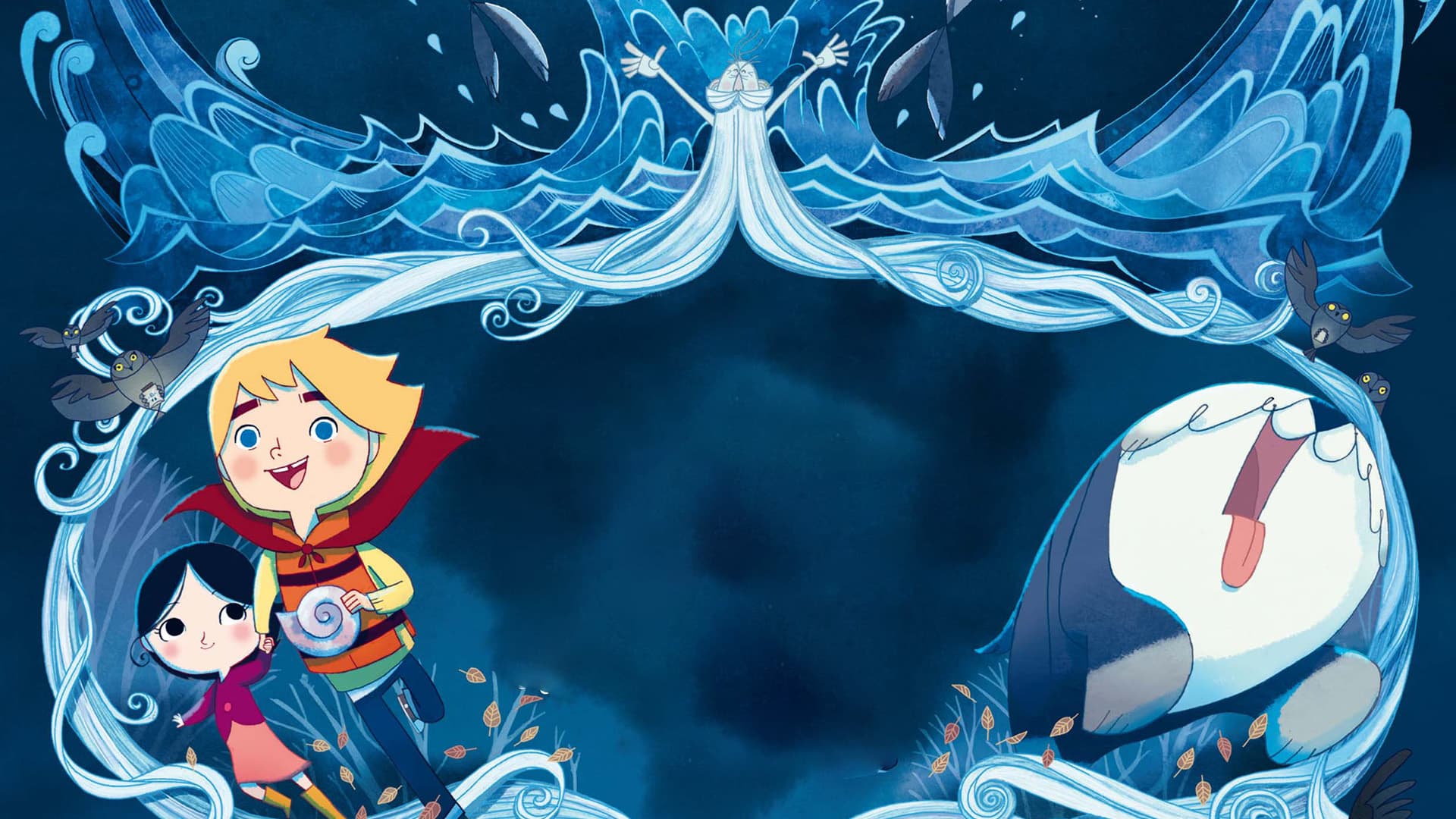
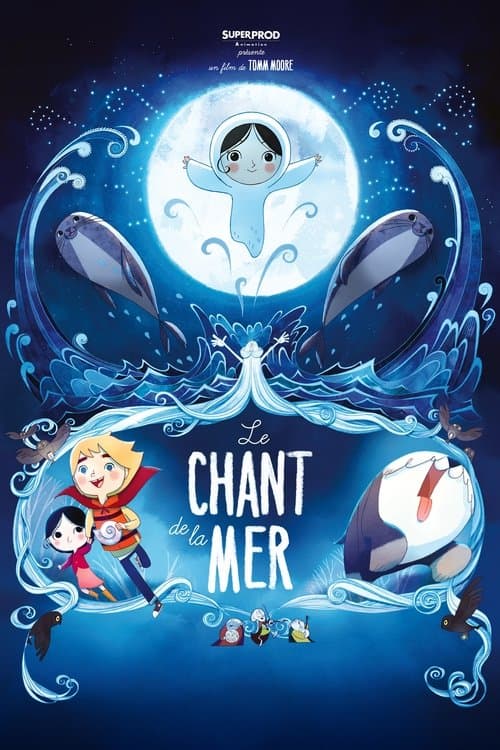
The film is a work of rare visual and narrative coherence in animation intended for young audiences. Its graphics, inspired by medieval illuminations and Celtic art, create an immediately recognisable universe of great formal beauty. The soundtrack, built around traditional Irish music, is inseparable from the narration and actively participates in the emotional progression of the story. From a pedagogical standpoint, the film offers an accessible introduction to Celtic mythology and Irish culture, without ever reducing these references to folkloric decoration. Its way of treating grief, guilt and the necessity of expressing one's emotions is of an emotional intelligence uncommon for an animated film, and makes it a particularly valuable tool for conversation between parents and children.
Age recommendation and discussion points
The film is suitable from 7-8 years old for emotionally resilient children, but better appreciated from 9-10 years old for those with greater sensitivity or personal experience of bereavement. Two angles of discussion emerge after viewing: why does the witch believe she is doing right by suppressing the emotions of others, and in what way can this be dangerous, even with good intentions; and how does the father in the film express his sadness, and what other ways might he have chosen to traverse his grief.
Synopsis
The story of the last Seal Child’s journey home. After their mother’s disappearance, Ben and Saoirse are sent to live with Granny in the city. When they resolve to return to their home by the sea, their journey becomes a race against time as they are drawn into a world Ben knows only from his mother’s folktales. But this is no bedtime story; these fairy folk have been in our world far too long. It soon becomes clear to Ben that Saoirse is the key to their survival.
About this title
- Format
- Feature film
- Year
- 2014
- Runtime
- 1h 33m
- Countries
- Ireland, Luxembourg, Belgium, Denmark
- Original language
- EN
- Directed by
- Tomm Moore
- Main cast
- David Rawle, Brendan Gleeson, Lisa Hannigan, Fionnula Flanagan, Lucy O'Connell, Jon Kenny, Pat Shortt, Colm Ó'Snodaigh, Liam Hourican, Kevin Swierszcz
- Studios
- Cartoon Saloon, Melusine Productions, The Big Farm, Superprod Animation, Nørlum, Fís Éireann/Screen Ireland, Magellan Films
Content barometer
- Violence2/5Moderate
- Fear3/5Notable tension
- Sexuality0/5None
- Language0/5None
- Narrative complexity1/5Accessible
- Adult themes1/5Mild
Values conveyed
- Courage
- Acceptance of difference
- Compassion
- Loyalty
- Forgiveness
- family
- sibling bond
- empathy