
Sing
Does this age rating seem accurate to you?
Detailed parental analysis
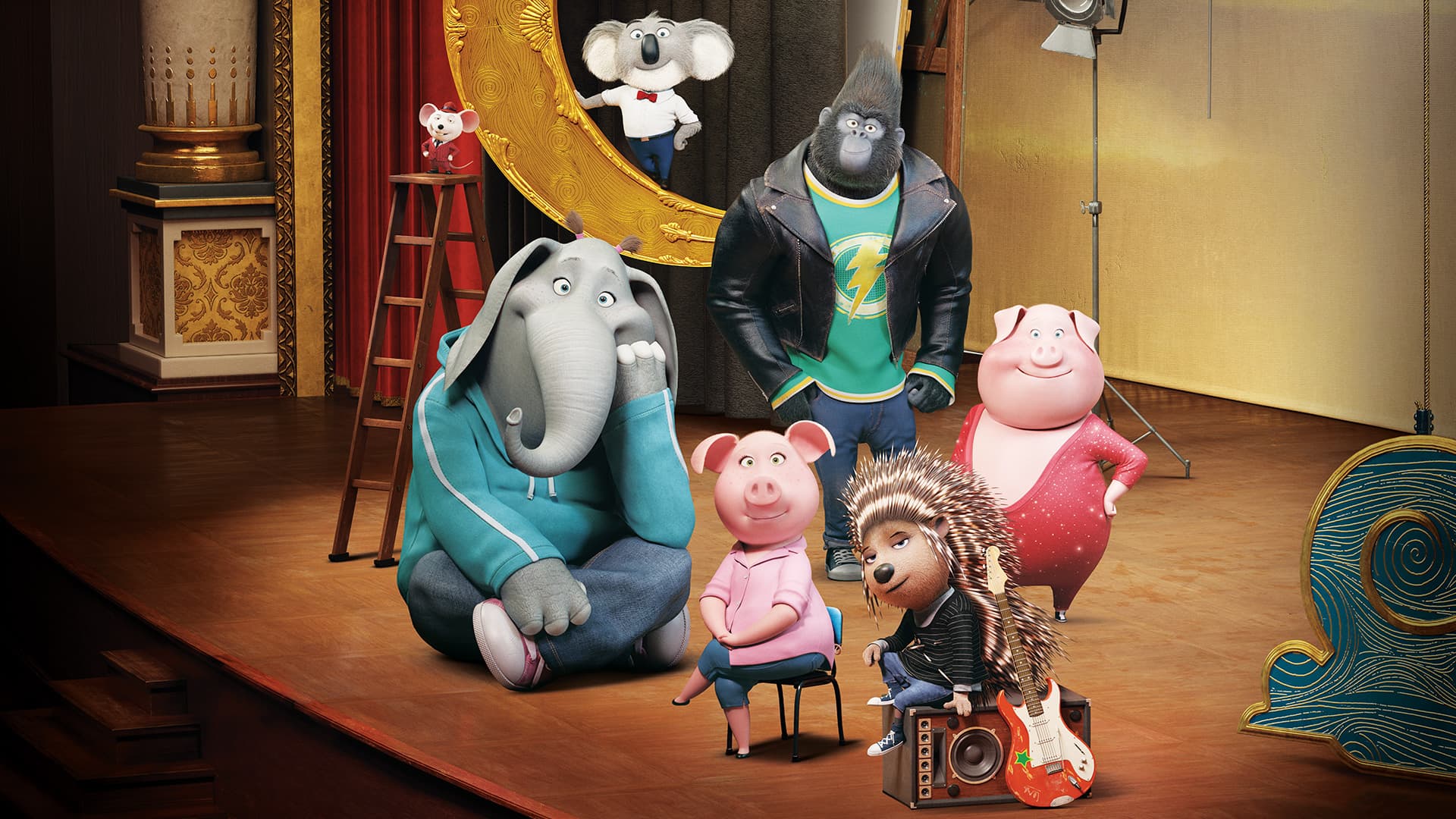
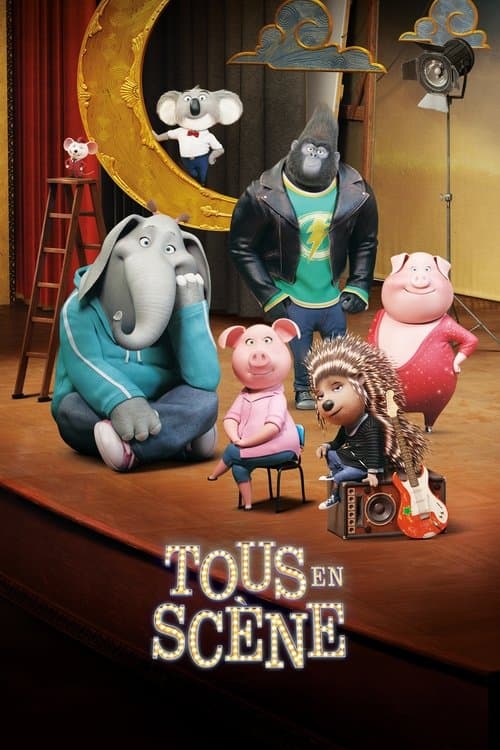
Sing is an animated musical comedy with a colourful and uplifting atmosphere, driven by a soundtrack composed of recognisable pop and soul covers. The plot follows Buster Moon, a koala impresario on the brink of bankruptcy, who organises a singing competition to save his theatre and in the process reveals the hidden talents of a diverse group of contestants. The film is primarily aimed at children from 6-7 years old and their families, with enough musical references to hold the attention of adults.
Underlying Values
The film consistently defends the idea that fear of failure or others' judgement should not prevent pursuing what truly matters. This message is embodied by several characters with deliberately contrasting profiles, which gives it real substance rather than superficial polish. However, the narrative also strongly valorises stage performance and public recognition as the natural culmination of personal fulfilment, which warrants nuance in conversation with a child: success does not necessarily mean shining on a stage. Perseverance and collective work are present, but always in service of a spectacular result rather than intimate satisfaction.
Discrimination
Several stereotypical representations merit attention. Rosita, a sow mother of twenty-five piglets, is shown as a housewife whose prolonged absence goes entirely unnoticed by her family, conveying an ambiguous image of the maternal role: simultaneously valorised in her artistic aspirations, yet implicitly reduced to an interchangeable domestic function. Buster also encourages the punk porcupine Ash to adopt a more feminine and conventional appearance to be commercially viable, which introduces gendered conformity pressure without the film truly questioning it. Finally, Miss Crawly, the elderly and partially sighted iguana, is regularly used as a comedic device linked to her incompetence, which constitutes a form of mockery towards disability and old age. These elements do not dominate the film, but they are sufficiently recurring to merit discussion.
Violence
Violence remains within the register of family comedy, but a few sequences step outside the purely harmless frame. Russian bears with a mafia-like appearance explicitly threaten to kill a character over a gambling debt, introducing a darker tension than the rest of the film. A porcupine shoots her quills into the audience during a performance, injuring several spectators including one in the face and neck. The spectacular destruction of the theatre by flooding places the characters in real danger. These moments are treated with humour or as dramatic devices, without gore or gratuitousness, but they may surprise more sensitive children.
Sex and Nudity
The film contains a few occasional suggestive elements. One scene shows rabbits singing lyrics with explicit sexual connotations about a female body whilst shaking their bottoms, which stands out from the rest of the film in tone. A pig character wears a revealing stage outfit during his performance. These elements remain brief and do not structure the narrative, but they may warrant explanation for younger viewers.
Parental and Family Portrayals
The most developed parental figure is Rosita, whose family devotion is both the starting point of her narrative arc and a source of implicit tension. The film suggests that her personal fulfilment comes through an escape from the home, without truly examining the marital dynamic that makes this escape necessary. Ash's father, meanwhile, is presented as an obstacle to her artistic ambitions, positioning parental authority on the side of restraint rather than support.
Strengths
The film draws real strength from its soundtrack, which spans several decades and musical genres and can function as a lively introduction to artists children may not yet know. The choral structure, with multiple characters whose stories interweave without one overshadowing the others, offers richer storytelling than the genre average. Each arc illustrates a different form of inner obstacle, giving the film emotional depth that is accessible without being simplistic. The final sequence, despite its predictability, is carried by genuine stage energy.
Age recommendation and discussion points
The film is suitable from age 7 onwards for family viewing, with parental presence useful for younger children sensitive to scenes of tension or danger. Two discussion angles are worth pursuing after viewing: asking the child why Buster wanted Ash to change her look, and whether that was a good idea, opens a concrete conversation about conformity pressure and authenticity. You can also explore together why no one in Rosita's family noticed her absence, and what that says about how we recognise the work of those we love.
Synopsis
A koala named Buster recruits his best friend to help him drum up business for his theater by hosting a singing competition.
About this title
- Format
- Feature film
- Year
- 2016
- Runtime
- 1h 48m
- Countries
- United States of America
- Original language
- EN
- Studios
- Illumination
Content barometer
- Violence2/5Moderate
- Fear2/5A few scenes
- Sexuality2/5Mild
- Language1/5Mild
- Narrative complexity2/5Moderate
- Adult themes0/5None
Watch-outs
- Gender stereotypes
Values conveyed
- Perseverance
- Autonomy
- friendship
- self confidence
- creativity