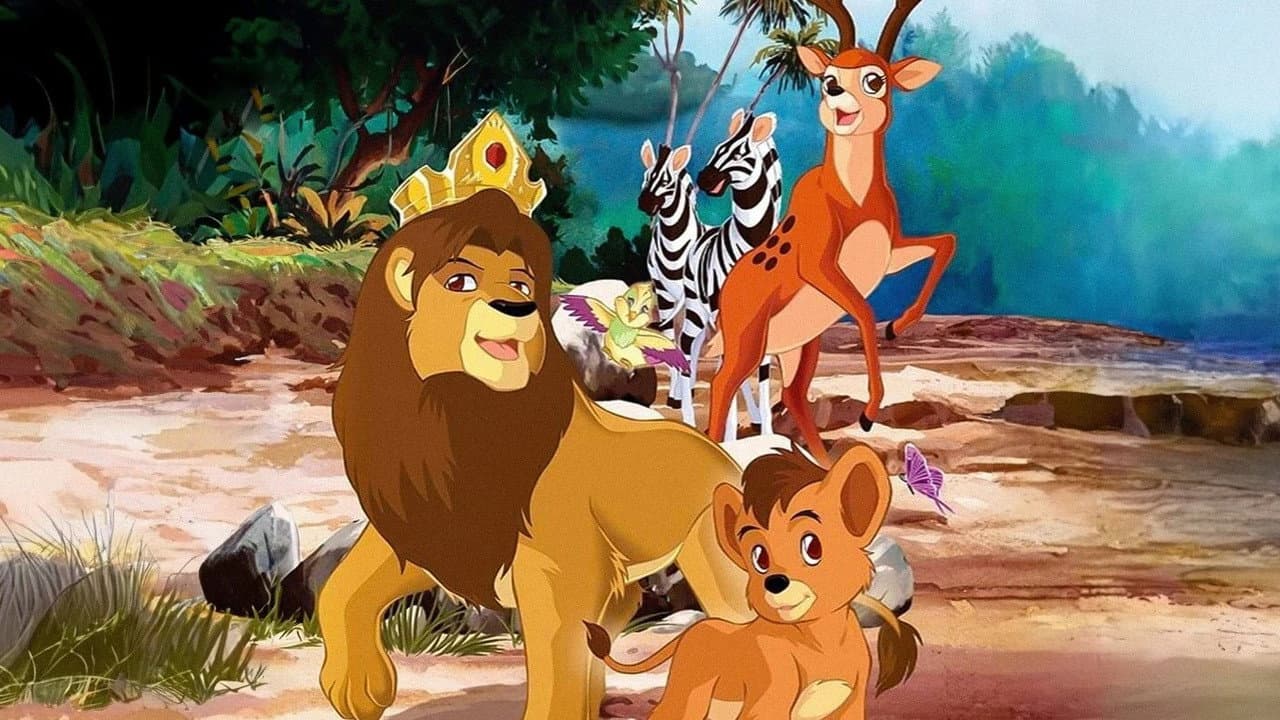
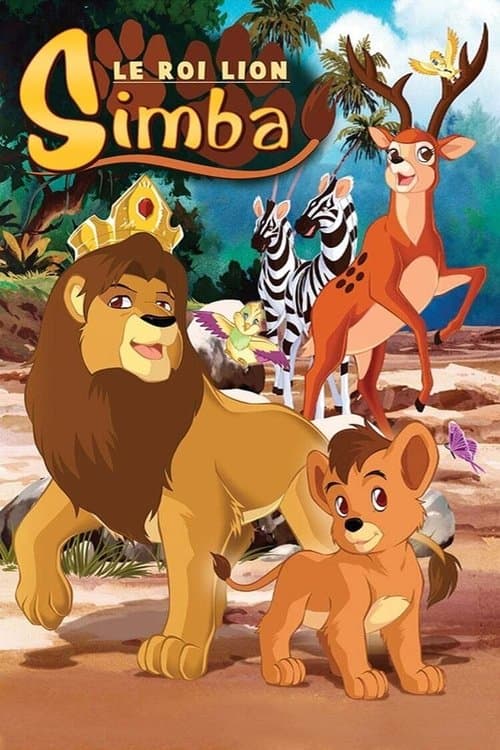
Simba: The King Lion
Simba - È nato un re
Does this age rating seem accurate to you?
Detailed parental analysis
Simba, the Lion King is a children's animated series with an adventurous and sometimes dark atmosphere, which freely blends elements borrowed from several classic works to construct an original animal saga. The plot follows Simba and his sisters, orphans after their father's death, raised by the jungle community and called upon to fulfil an exceptional destiny in the face of formidable enemies. The series is aimed primarily at children from six or seven years old, but certain episodes contain sequences intense enough to warrant the attention of parents of younger children.
Parental and Family Portrayals
The condition of being an orphan is the central emotional driver of the series: Simba and his sisters lose their father at the outset, killed by poachers on the orders of the main villain, and grow up without a direct parental figure. This foundational loss structures the entire narrative and gives the series a melancholic tone that can deeply affect young viewers. The animal community that takes charge of the young ones offers a model of extended family and solidarity, but does not symbolically replace the absent parents. This is a strong point for discussion, as the series does not minimise the loss nor resolve it through a magical substitute.
Violence
Violence is recurrent and constitutes an important part of the narrative rhythm: fights between lions, tigers, hyenas and wild dogs, poacher traps, pack attacks. These confrontations are presented with a certain intensity, without being graphically bloody, but they remain clearly perceptible as dangerous and threatening. The father's death by gunshot is the narratively heaviest act of violence, as it is orchestrated and irreversible. For children who are particularly sensitive below six years of age, the frequency of these danger sequences can be distressing.
Underlying Values
The series rests on two distinct pillars of values. On one hand, collective solidarity is constantly emphasised: the jungle animals unite to protect and raise the orphans, and victories are often collective. On the other, the protagonists receive supernatural powers linked to a predetermined destiny, which introduces a logic of the chosen that may merit discussion: courage and effort matter, but destiny plays a determining role in the heroes' success.
Strengths
The series succeeds in weaving a coherent mythology from disparate sources, giving the young protagonists genuine emotional depth linked to their loss. The communal dimension of the narrative, where animals of different species cooperate to raise orphans, offers a concrete and moving representation of solidarity. The series also provides a gradual introduction to complex emotions such as grief, fear and responsibility, within a sufficiently secure framework for children to navigate them without being overwhelmed.
Age recommendation and discussion points
The series is suitable from around seven years old, with parental guidance recommended for younger children or those particularly sensitive to themes of death and danger. Two angles of discussion naturally emerge after viewing: how do Simba and his sisters cope with the loss of their father, and what does it mean to be courageous when one has not chosen one's destiny.
Synopsis
After the lion king is shot by hunters, the other animals of the jungle decide to work together to raise his orphaned lion cubs, including his favorite son, Simba. Simba and his siblings end up being raised by a wolf along with a deer named Buckshot (changed from Bimbo to avoid being a walking copyright infringement), who had also previously lost his parents to hunters. It turns out the tiger Shere Khan was the one who arranged the death of Simba's father so he could be the king of the jungle, and he wishes to capture Simba with the help of his minions.
About this title
- Format
- TV series
- Year
- 1995
- Countries
- Italy
- Original language
- IT
- Main cast
- Cinzia Massironi, Patrizio Prata, Jasmine Laurenti, Simone D'Andrea, Loredana Nicosia, Pietro Ubaldi, Mario Zucca, Nicola Bartolini Carrassi, Graziano Galoforo, Davide Garbolino
- Studios
- SEK Animation Studio, Mondo TV