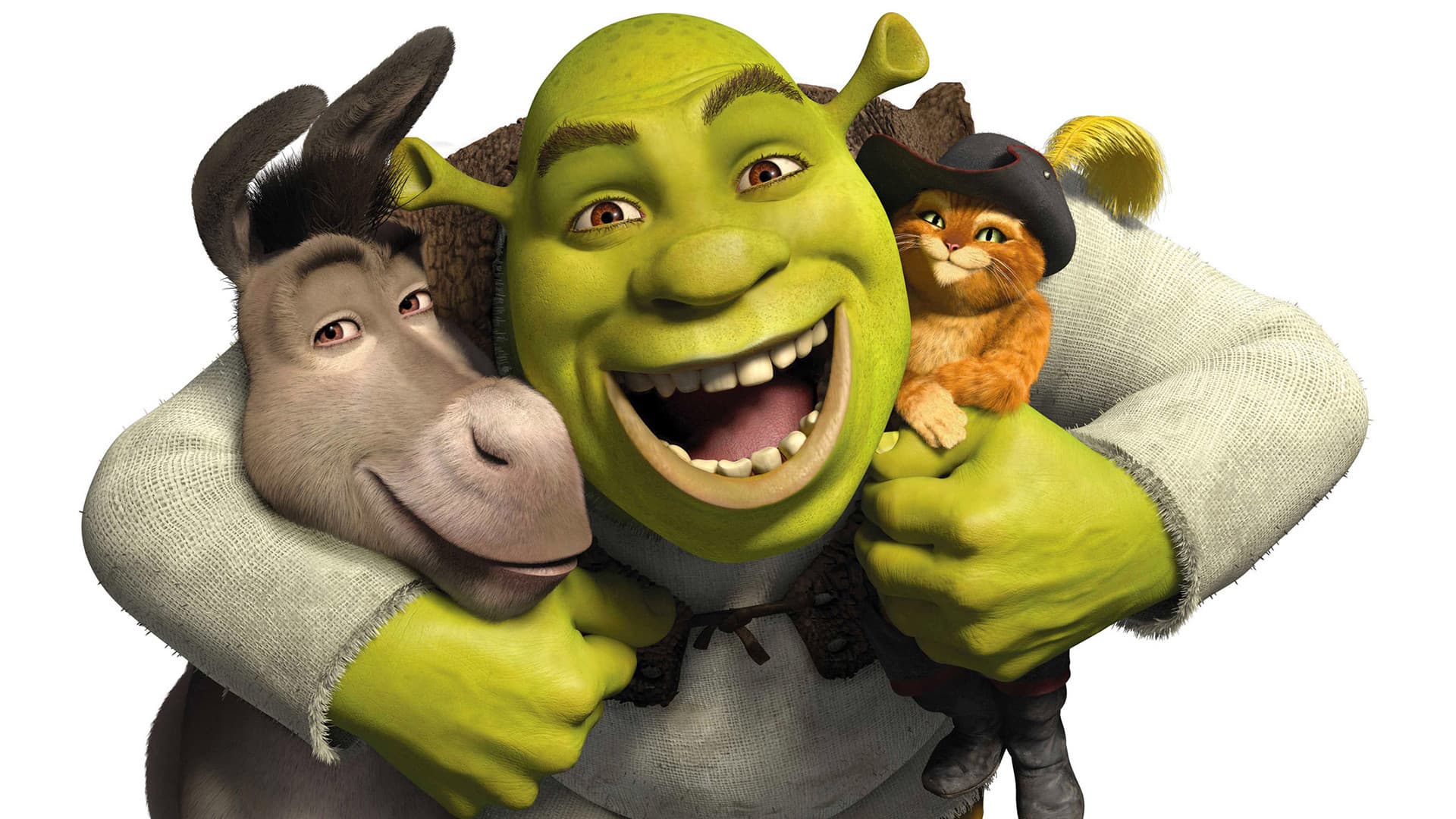
Shrek Forever After
Does this age rating seem accurate to you?
Detailed parental analysis
Shrek 4 is a family animation film with a noticeably darker tone than its predecessors, steeped in nocturnal atmospheres and a melancholic mood that stand in sharp contrast to the lightness of previous instalments. The plot follows Shrek, exhausted by the routine of family life, who strikes a bargain with a manipulative character and finds himself thrust into an alternate world where his life never existed. The film primarily targets children aged 7 and above as well as parents who grew up with the franchise, but its emotional register and certain themes speak more directly to an audience of 8-10 years old at minimum.
Underlying Values
This is the heart of the film and its most substantial message: Shrek, crushed by the repetition of daily family life, succumbs to the temptation of a life without constraints and without responsibilities. The narrative explores with a certain honesty the weariness of parenthood and marriage, which is rare in family animation. The conclusion is unambiguous: family, even imperfect and exhausting, is a treasure that one only truly values when it is lost. This message of gratitude is well constructed narratively, but it deserves to be discussed with the child, as it can also be read as an injunction never to express one's distress. The character of Rumpelstiltskin embodies the classic figure of the deceiver who exploits unspoken desires: a good entry point for talking about promises that sound too good to be true.
Parental and Family Portrayals
The film places parenthood at the centre of its dramatic stakes. Shrek is shown as a loving but overwhelmed father who cracks under the pressure of the role and fantasises about an existence without children or a spouse. This portrayal is strikingly realistic for a mainstream animated film. The absence of his children in the alternate world functions as a powerful emotional revelation. Fiona, for her part, is depicted as a strong and autonomous figure in this parallel universe, which enriches her character beyond the maternal role. The couple dynamic is treated with a certain depth: the emotional distance between Shrek and Fiona in the real world is shown as a consequence of routine, not a lack of love.
Violence
The film contains several sequences of medieval combat between ogres and witches, with weapons such as axes, knives and catapults. The violence remains stylised and without gore, in keeping with the tone of the franchise, but it is more sustained and less comedic than in previous instalments. One scene shows a witch accidentally dissolved by water, treated in a casual manner that may surprise younger viewers. Overall it remains within the bounds of family entertainment, but the dark atmosphere surrounding these sequences gives them a different weight from the usual action comedy of the saga.
Substances
Shrek consumes several cocktails made from eyeballs to relax at a party, and the mild intoxication that follows is played for comedy. The scene is not lengthy, but it explicitly shows alcohol as a tool for managing stress and boredom, which is worth noting with an inquisitive child. It is not a central element of the film, but it is visible enough to be mentioned.
Strengths
The film has the rare merit, in family animation, of addressing the weariness of daily life and existential crisis in an adult without softening the message. The structure of the alternate world is well exploited to give emotional weight to what Shrek nearly lost, and the dramatic progression works. Fiona is more interesting here than in previous instalments, endowed with her own agency. The film also offers a fine opportunity to discuss with a child the difference between desiring another life and appreciating the one you have, which is a worthwhile conversation at any age.
Age recommendation and discussion points
The film is accessible from age 7, but its dark tone and themes about parental weariness and regret will be better understood and better experienced from age 8-9 onwards. Two angles of discussion are worth pursuing after viewing: why did Shrek want to escape his life, and is it wrong to feel tired of what you love? And also: how do you recognise someone offering you something too good to be true, and why should you be wary of promises with no visible cost?
Synopsis
A midlife-crisis burdened Shrek, longing for the days when he felt like a real ogre, makes a pact with magic deal-maker Rumpelstiltskin. But when he's duped and sent to a twisted version of Far Far Away—where Rumpelstiltskin is king, ogres are hunted, and he and Fiona have never met—he sets out to restore his world and reclaim his true love.
About this title
- Format
- Feature film
- Year
- 2010
- Runtime
- 1h 33m
- Countries
- United States of America
- Original language
- EN
- Studios
- DreamWorks Animation
Content barometer
- Violence2/5Moderate
- Fear2/5A few scenes
- Sexuality0/5None
- Language0/5None
- Narrative complexity1/5Accessible
- Adult themes1/5Mild
Values conveyed
- Compassion
- Loyalty
- Forgiveness
- friendship
- family
- courage