Shrek 2
Does this age rating seem accurate to you?
Detailed parental analysis
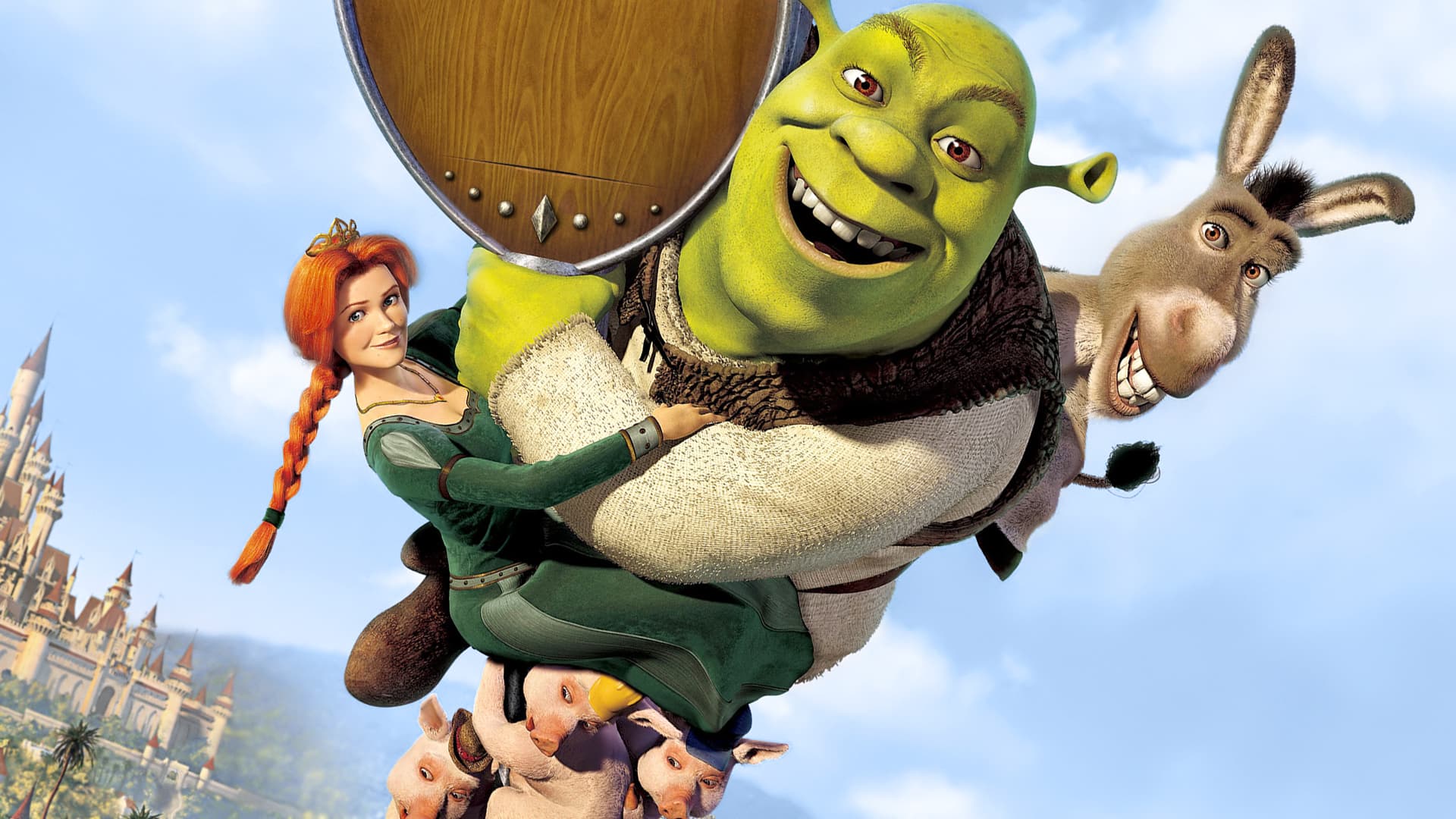
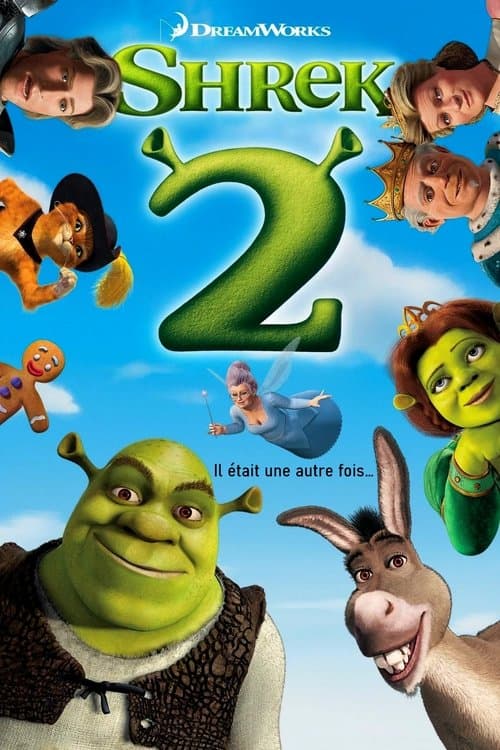
Shrek 2 is a family animated comedy with a cheerful and parodic tone, which cleverly subverts the codes of classic fairy tales. The plot follows Shrek and Fiona newly married, confronted with the disapproval of Fiona's parents and the schemes of an ambitious Fairy Godmother. The film aims at a broad family audience, with a layer of references and adult humour designed for parents as much as for children.
Underlying Values
The film's central message is solid and coherent: the rejection of magical transformation in favour of self-acceptance drives the entire third act. The narrative explicitly critiques family pressure and conformity to social appearance norms, showing that Fiona's parents reject Shrek out of class and appearance prejudice, manipulated by a corrupt authority figure. This mechanism is well constructed and offers a natural basis for discussion with a child. Where the film is more ambiguous is in the implicit valorisation of the heterosexual couple as a horizon of happiness, without ever questioning this framework.
Parental and Family Portrayals
The parental figure is at the heart of the narrative and deserves attention. Fiona's father is presented as a weak king, easily manipulated, who prefers appearance to his daughter's real happiness. The Fairy Godmother plays the role of a benevolent authority on the surface, but in reality is self-interested and controlling. This double portrait of failing adults, one through cowardice, the other through calculation, is narratively effective but is worth naming with a child, particularly to distinguish the repairable mistake from deliberate manipulation.
Sex and Nudity
The film contains several layers of suggestive content. Some phrasings are clearly aimed at adults: references to licentiousness in a potion, comments on characters' physical attributes. Kissing scenes between main characters remain light. This level of dual reading is typical of the franchise and poses no real problem for children aged 7 and above, who do not perceive its connotations. For younger children, these lines go unnoticed. This subject is worth anticipating if the child questions certain phrases.
Violence
Violence is present in the form of parodic combat, without blood or alarming graphics. Certain scenes reach a more notable threshold: the gingerbread giant loses his arms and falls into a ditch, the Fairy Godmother disappears after being struck. These moments are treated with comic distance and have no traumatic impact for a school-age child, even if younger ones may be startled by their abruptness.
Substances
A brief scene shows Puss in Boots in possession of catnip, presented as a drug reference, with denial of possession and associated shame. The scene is short and treated comically, without valorisation. It goes unnoticed for children but constitutes a tongue-in-cheek reference intended for adults.
Discrimination
The film builds its main conflict around the rejection of Shrek by Fiona's parents because of his appearance and social origin. This rejection is clearly presented as unjust and constitutes the moral flaw to overcome. Fiona, for her part, is represented as a capable fighter who does not wait to be rescued. These two elements are coherent and well integrated into the narrative, without falling into moralising demonstration.
Strengths
Shrek 2 is a sequel that often surpasses its original in terms of comic effectiveness and narrative density. The parody of fairy tale codes works on several layers of reading simultaneously, which is rare in family animation. The dialogue writing is sharp, secondary characters are well drawn, and the mechanics of plot reversals are masterfully executed. The film poses, through a story of meeting in-laws, a universal question about family pressure and the gaze of others, which gives it a resonance that extends beyond the age of the child sitting in front of the screen.
Age recommendation and discussion points
The film is suitable from age 7 onwards for relaxed viewing, without major reservation. Below age 5, the pace and certain scenes of character disappearance may come as a surprise. Two concrete discussion angles after viewing: why does the king agree to lie to his daughter rather than oppose the Fairy Godmother, and what makes it difficult for parents to accept their child's life choices when they do not resemble what they had imagined.
Synopsis
Happily ever after never seemed so far far away when a trip to meet the in-laws turns into a hilariously twisted adventure for Shrek and Fiona. With the help of his faithful Donkey, Shrek takes on a potion-brewing Fairy Godmother, the pompous Prince Charming, and the ogre-killer, Puss In Boots.
About this title
- Format
- Feature film
- Year
- 2004
- Runtime
- 1h 23m
- Countries
- United States of America
- Original language
- EN
- Studios
- DreamWorks Animation, Pacific Data Images
Content barometer
- Violence2/5Moderate
- Fear1/5Mild
- Sexuality2/5Mild
- Language1/5Mild
- Narrative complexity1/5Accessible
- Adult themes1/5Mild
Values conveyed
- Acceptance of difference
- Forgiveness
- friendship
- self acceptance
- love
- loyalty