She-Ra and the Princesses of Power
She-Ra and the Princesses of Power
Your feedback improves this guide
Your feedback highlights guides that need a second look and keeps the rating trustworthy.
Does this age rating seem accurate to you?
Sign in to vote
Watch-outs
What this film brings
Content barometer
Violence
2/5
Moderate
Fear
2/5
A few scenes
Sexuality
1/5
Allusions
Language
1/5
Mild
Narrative complexity
1/5
Accessible
Adult themes
0/5
None
Expert review
This fantasy adventure series follows a heroine who leaves an oppressive army to join an alliance of princesses, in a colorful world that is still shaped by constant conflict. The main sensitive elements involve stylized battles, threats of war, psychological manipulation, fear linked to authoritarian villains, and a painful emotional rivalry between former best friends. The show is not graphic and is clearly made for younger viewers, but the emotional intensity grows across the seasons, with sacrifice, separation, mind control, and grief that may unsettle very young children. For a 4 year old, the pacing, repeated combat, and darker story turns are likely too demanding even within an animated setting. I would recommend it more around age 8 for independent viewing, or a bit earlier with a parent present to reassure, explain shifting loyalties, and talk about anger, abandonment, and reconciliation.
Synopsis
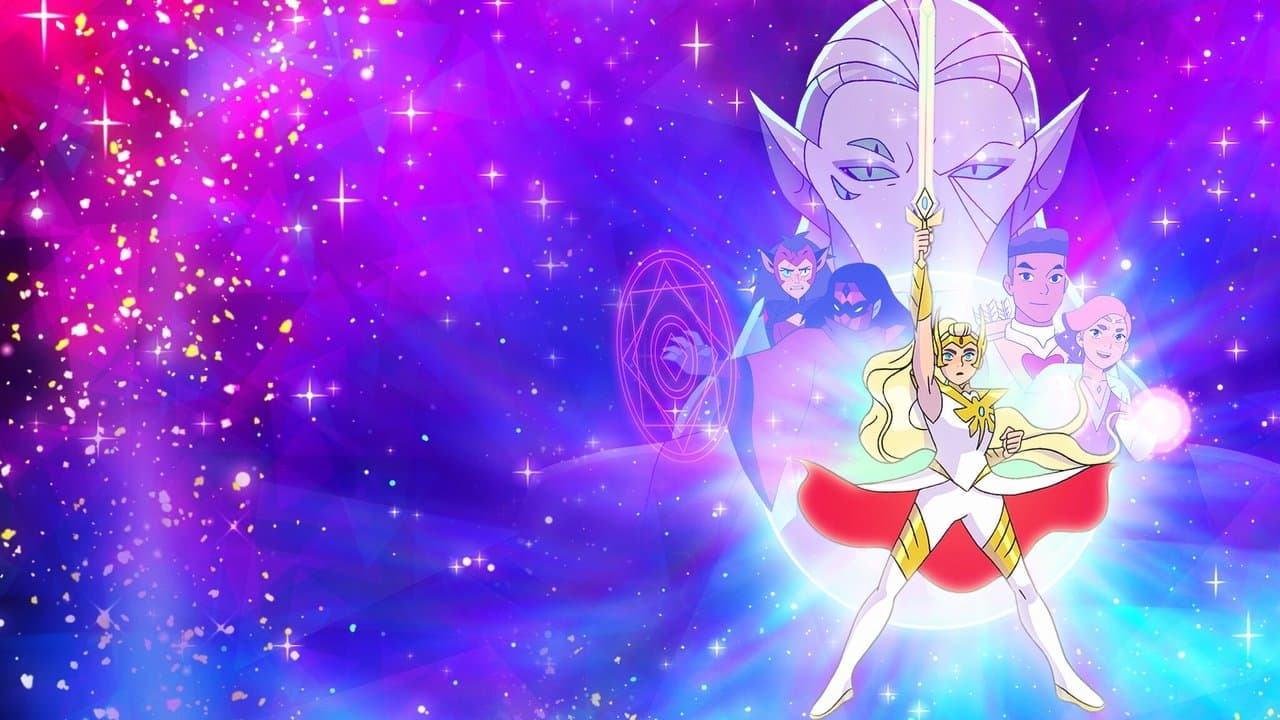
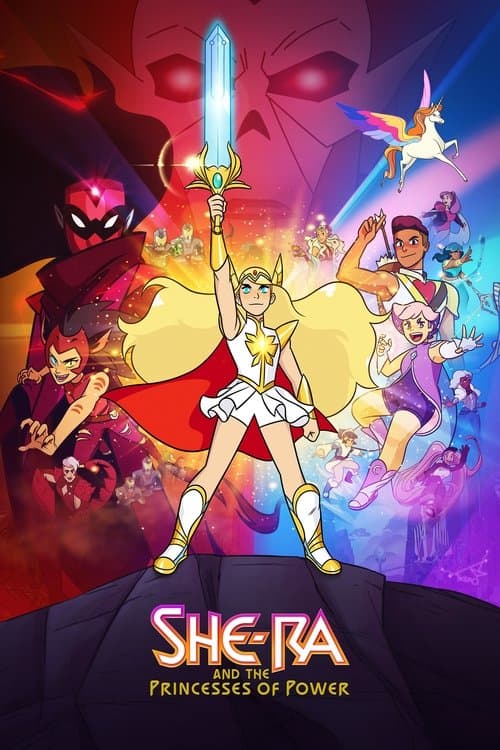
Soldier Adora finds a magic sword -- and her identity as legendary hero She-Ra. She joins the Rebellion, but her best friend stays with the evil Horde.
Difficult scenes
Adora gradually realizes that the army that raised her has been hurting the people of Etheria. This leads to several morally tense scenes and conflict with her former best friend, which may be upsetting for younger children who are sensitive to betrayal and separation. Many episodes include clashes between the Horde and the Rebellion, with swords, magical blasts, captures, and destruction. The violence is stylized and not bloody, but it is frequent and may overwhelm children who do better with calmer stories. As the series progresses, some sections become noticeably darker, involving a dangerous portal, a planetary threat, and a major sacrifice. Even without graphic suffering, these scenes carry real emotional weight and may bring up sadness or questions about death and loss. One of the villains uses mind control on characters, changing their behavior and creating a more unsettling atmosphere. For young children, seeing heroes act against their will may be more disturbing than the action scenes themselves.
Where to watch
No verified platform for the US market yet. We keep this section updated as availability changes.
About this title
- Format
- TV series
- Year
- 2018
- Countries
- United States of America
- Original language
- EN
- Directed by
- ND Stevenson
- Main cast
- Aimee Carrero, AJ Michalka, Marcus Scribner, Reshma Shetty, Lorraine Toussaint, Karen Fukuhara, Keston John, Lauren Ash, Christine Woods, Genesis Rodriguez
- Studios
- DreamWorks Animation Television
Content barometer
Violence
2/5
Moderate
Fear
2/5
A few scenes
Sexuality
1/5
Allusions
Language
1/5
Mild
Narrative complexity
1/5
Accessible
Adult themes
0/5
None
Expert review
This fantasy adventure series follows a heroine who leaves an oppressive army to join an alliance of princesses, in a colorful world that is still shaped by constant conflict. The main sensitive elements involve stylized battles, threats of war, psychological manipulation, fear linked to authoritarian villains, and a painful emotional rivalry between former best friends. The show is not graphic and is clearly made for younger viewers, but the emotional intensity grows across the seasons, with sacrifice, separation, mind control, and grief that may unsettle very young children. For a 4 year old, the pacing, repeated combat, and darker story turns are likely too demanding even within an animated setting. I would recommend it more around age 8 for independent viewing, or a bit earlier with a parent present to reassure, explain shifting loyalties, and talk about anger, abandonment, and reconciliation.
Synopsis
Soldier Adora finds a magic sword -- and her identity as legendary hero She-Ra. She joins the Rebellion, but her best friend stays with the evil Horde.
Difficult scenes
Adora gradually realizes that the army that raised her has been hurting the people of Etheria. This leads to several morally tense scenes and conflict with her former best friend, which may be upsetting for younger children who are sensitive to betrayal and separation. Many episodes include clashes between the Horde and the Rebellion, with swords, magical blasts, captures, and destruction. The violence is stylized and not bloody, but it is frequent and may overwhelm children who do better with calmer stories. As the series progresses, some sections become noticeably darker, involving a dangerous portal, a planetary threat, and a major sacrifice. Even without graphic suffering, these scenes carry real emotional weight and may bring up sadness or questions about death and loss. One of the villains uses mind control on characters, changing their behavior and creating a more unsettling atmosphere. For young children, seeing heroes act against their will may be more disturbing than the action scenes themselves.