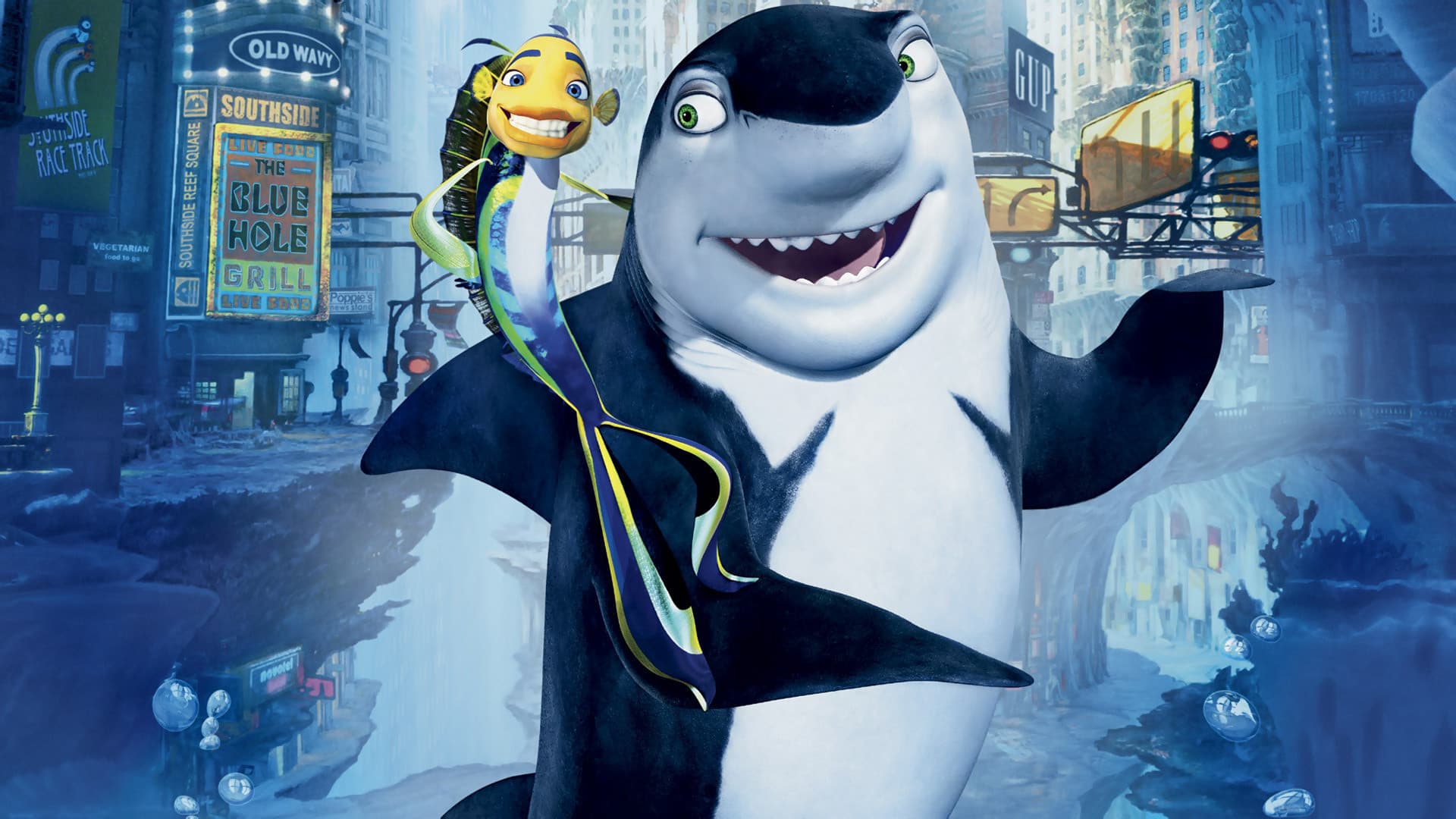

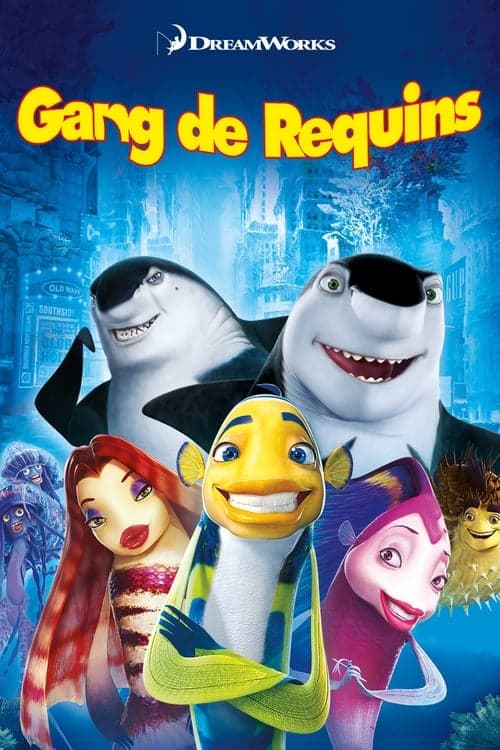
Shark Tale
Does this age rating seem accurate to you?
Detailed parental analysis
Shark Gang is an urban animated comedy with a sharp, loud tone, parodying the codes of gangster films and hip-hop culture. The plot follows a small, deceitful fish who finds himself thrust into the role of hero by a series of circumstances, and must face the consequences of his lies. The film targets a broad family audience, but its content and cultural references position it more towards school-age children and pre-adolescents than towards very young children.
Underlying Values
The film builds its narrative around the temptation of lying and easy glory: the main character fabricates stories to appear bigger than he is, and the entire plot methodically shows the damage this choice causes. The central message, honesty and self-acceptance, is clear and well-delivered. In parallel, the film ostensibly values wealth, appearances and social status as drivers of desire, which warrants discussion with a child: the aspiration to prestige is treated with a certain complacency before being put into perspective, and not without the spectacle of opulence having had time to fascinate. The character of Lenny, a great shark's son who refuses to be what is expected of him, provides an interesting counter-value: the acceptance of differences and resistance to family pressure are treated with genuine sincerity.
Discrimination
The two Jamaican jellyfish characters, Ernie and Bernie, concentrate a real problem: they are constructed on a caricatural register associating Rastafarian accent, stylised dreadlocks and comic behaviour. Their dialogue incorporates swear words disguised in Jamaican dialect, which has been noted as embarrassing in a film intended for children. This treatment is not inconsequential: it reproduces a type of reductive ethnic representation that uses a culture as a comedic device without questioning it. This is a concrete angle to address with a child or pre-adolescent.
Substances
Characters are shown smoking and drinking alcohol. These elements fit within the parody of the gangster film universe, but their presence in an animated film aimed at children is explicit enough to go unnoticed. No open glorification, but no questioning either: they form part of the scenery and contribute to the 'adult' atmosphere the film seeks to mimic.
Violence
Violence remains largely in the realm of comedy or peripheral events for most of the film, but two moments stand out. The death of a shark character, caused by an anchor, is depicted directly enough to startle a young child. Furthermore, the main character suffers electric shocks inflicted by jellyfish, with visible effects on his body. The overall picture is far removed from an action film, but the outright death of a minor character may require explanation for younger viewers.
Language
The film uses comic substitutes for swear words, replacing for example 'hell' with 'halibut', which creates a wink to adults whilst maintaining an acceptable surface for children. Some dialogue in Jamaican dialect contains more ambiguous formulations. The overall approach remains restrained, but the device of disguised swearing is itself a form of exposure to coarse language.
Parental and Family Portrayals
The relationship between the shark Lino and his son Lenny is one of the film's strongest narrative threads: it shows an authoritarian father imposing on his son an identity he does not want, and a son who must find the courage to assert who he truly is. The resolution of this conflict is treated with a degree of emotional authenticity. This is one of the few aspects of the film that offers material for genuine conversation about family expectations and the freedom to be oneself.
Strengths
The film is energetic, fast-paced and visually saturated, which makes it effective entertainment for school-age children. Its principal merit lies in the narrative mechanics of lying: the consequences unfold in a clear and pedagogically honest way, without complacent moral shortcuts. The character of Lenny, treated with more tenderness than others, brings unexpected emotional depth to a film this loud. The parody of the gangster film works well for an adult or pre-adolescent audience familiar with its codes, even if it often remains superficial.
Age recommendation and discussion points
The film is accessible from age 7 onwards, but several elements make it more relevant from age 8 or 9, when a child can grasp its moral nuances without being disturbed by the death of a character or caricatural representations. Two angles of discussion merit opening after viewing: why Oscar so desperately wants to be rich and famous, and whether this actually makes him happy, on the one hand; and what the Jamaican jellyfish characters say about the way certain films mock a culture by caricaturing it, on the other.
Synopsis
Oscar is a small fish whose big aspirations often get him into trouble. Meanwhile, Lenny is a great white shark with a surprising secret that no sea creature would guess: He's a vegetarian. When a lie turns Oscar into an improbable hero and Lenny becomes an outcast, the two form an unlikely friendship.
About this title
- Format
- Feature film
- Year
- 2004
- Runtime
- 1h 30m
- Countries
- United States of America
- Original language
- EN
- Studios
- DreamWorks Animation
Content barometer
- Violence2/5Moderate
- Fear2/5A few scenes
- Sexuality1/5Allusions
- Language2/5Moderate
- Narrative complexity1/5Accessible
- Adult themes2/5Present
Values conveyed
- Acceptance of difference
- friendship
- honesty
- self acceptance
- courage