
School of Life
Does this age rating seem accurate to you?
Detailed parental analysis
L'École buissonnière is an adventure and nature film with a contemplative and warm atmosphere, tinged with melancholy in its final acts. The plot follows a young Parisian boy placed in foster care in the countryside, who befriends an old poacher and discovers the forest, animals and a certain freedom. The film aims at a broad family audience, but is more naturally suited to children aged 8-10 and adults than to very young children.
Violence
The film contains several scenes involving the death of animals that warrant preparation. A hunt is shown in its complete unfolding, including the killing of a stag with a knife, without the camera turning away. Rabbits raised for consumption are also killed. These scenes are not gratuitous: they form part of a reflection on humanity's relationship with nature and death, but their realism may upset sensitive children or those accustomed to a sanitised representation of the animal world. Furthermore, a child is threatened with imprisonment after being caught poaching, which constitutes genuine dramatic tension. The death of a human character is treated with restraint but without evasion: the child is led to embrace the deceased, a scene that may be distressing for younger viewers.
Social Themes
The film was the subject of documented controversy: it was actively promoted by the National Federation of Hunters as a tool for rehabilitating hunting among young generations, which prompted calls for boycotts from animal protection organisations. This instrumentalisation does not disqualify the film in itself, but it invites us not to view it as a neutral account of nature. Hunting is presented in a positive light, even as an initiatory experience, without opposing arguments ever being represented. This is precisely the kind of narrative bias worth naming with a child after viewing.
Underlying Values
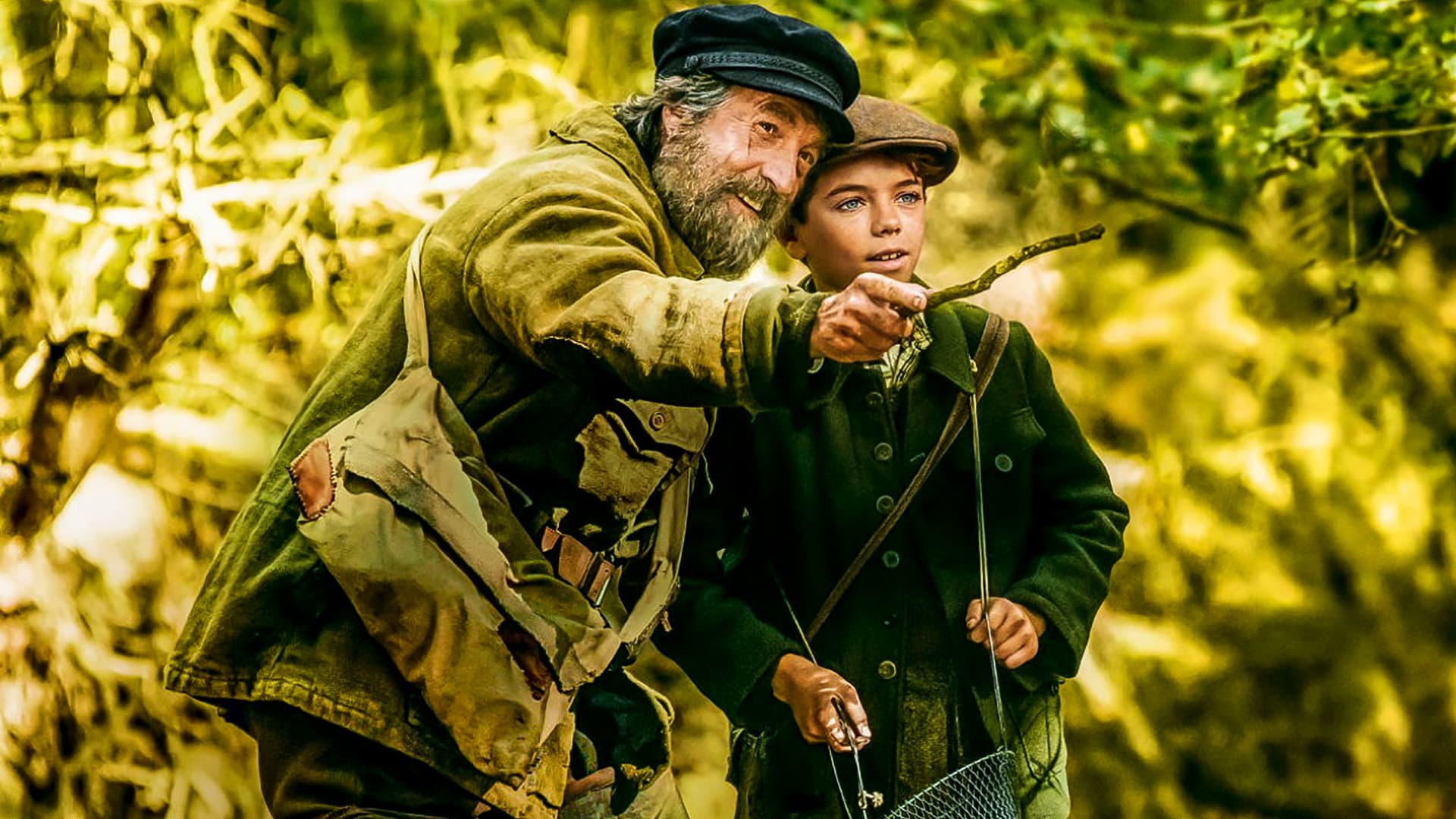
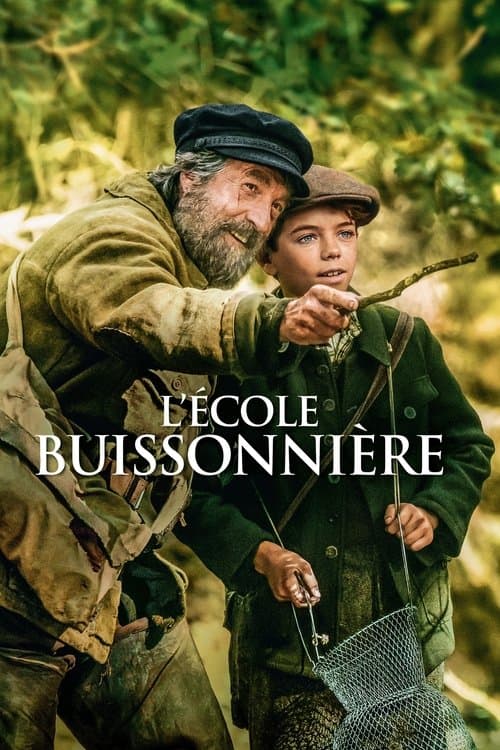
The narrative strongly valorises intergenerational transmission, knowledge of living things through direct experience, and a form of freedom acquired outside conventional schools and family institutions. The poacher, a central figure, embodies a popular wisdom and intimate relationship with nature that is presented as morally superior to the social rules he circumvents. This valorisation of illegality in the name of an authentic relationship with the world merits discussion with a child: the film never truly questions the limits of this stance.
Parental and Family Portrayals
The child is placed in foster care, which presupposes a failing or absent original family situation, treated in the background without being developed. The foster family is represented in a benevolent but secondary manner. The substitute parental figure is that of the old poacher, an affectionate and transgressive mentor at once. This pattern of the absent parent replaced by an unconventional mentor is a classical narrative motif, but it gives the film a particular emotional tone around chosen kinship and loss.
Strengths
The film offers careful cinematography of forest landscapes and an artistic direction that sensitively captures the texture of the rural world. The relationship between the child and the old man is written with genuine emotional finesse, avoiding the pitfalls of sentimentality whilst remaining accessible. The narrative has the quality of an initiatory tale grounded in reality, and its length, though long for young children, allows for gradual immersion in a coherent world. From a pedagogical standpoint, the film opens concrete doors onto fauna, seasons and naturalist knowledge, which can nurture lasting curiosity in a receptive child.
Age recommendation and discussion points
The film is not recommended before age 8 due to scenes of animal and human death, and can be watched with ease from age 10 onwards. Two angles of discussion are essential after viewing: first, the question of hunting and humanity's relationship with animals, by inviting the child to articulate what he felt when confronted with the killing scenes and to explore perspectives other than the film's; secondly, the figure of the poacher as a hero who breaks the law, by asking the child why certain rules exist and whether love of nature justifies circumventing them.
Synopsis
Paris 1930. Paul has only ever had one and the same horizon: the high walls of the orphanage, an austere building in the Parisian working class suburbs. Entrusted to a joyful country woman, Célestine, and her husband, Borel, the rather stiff gamekeeper of a vast estate in Sologne, the city child, recalcitrant and stubborn, arrives in a mysterious and disturbing world, that of a sovereign and wild region. The huge forest, misty ponds, heaths, and fields all belong to the Count de la Fresnaye, an elderly taciturn man who lives alone in his manor.
About this title
- Format
- Feature film
- Year
- 2017
- Runtime
- 1h 56m
- Countries
- France
- Original language
- FR
- Directed by
- Nicolas Vanier
- Main cast
- François Cluzet, Jean Scandel, Éric Elmosnino, François Berléand, Valérie Karsenti, Thomas Durand, Ilona Cabrera, Frédéric Saurel, Urbain Cancelier, Murielle Huet des Aunay
- Studios
- StudioCanal, Radar Films, France 2 Cinéma
Content barometer
- Violence3/5Notable
- Fear2/5A few scenes
- Sexuality0/5None
- Language0/5None
- Narrative complexity3/5Complex
- Adult themes0/5None
Values conveyed
- Compassion
- Loyalty
- nature
- guidance
- resilience
- friendship