Free Willy
Free Willy
Your feedback improves this guide
Your feedback highlights guides that need a second look and keeps the rating trustworthy.
Does this age rating seem accurate to you?
Sign in to vote
Watch-outs
What this film brings
Content barometer
Violence
2/5
Moderate
Fear
2/5
A few scenes
Sexuality
0/5
None
Language
1/5
Mild
Narrative complexity
1/5
Accessible
Adult themes
0/5
None
Expert review
Free Willy is an emotional family adventure about the bond between a troubled boy and a captive orca, with a warm tone overall but clear undercurrents of sadness and suspense. Sensitive material mainly involves family separation, abandonment, animal captivity, mistreatment of the whale, and several believable danger scenes involving water, pursuit, and adult wrongdoing. The violence is moderate and not graphic, yet Willy's distress, the threat posed by greedy adults, and moments where the boy or the animal seem genuinely at risk may be intense for younger viewers. The film also carries meaningful emotional weight through Jesse's feelings of rejection and grief, which makes it more demanding than a very young child's comfort watch. Parents may want to watch alongside children who are especially sensitive to animals in danger or stories about abandonment, and talk through the upsetting scenes afterward.
Synopsis
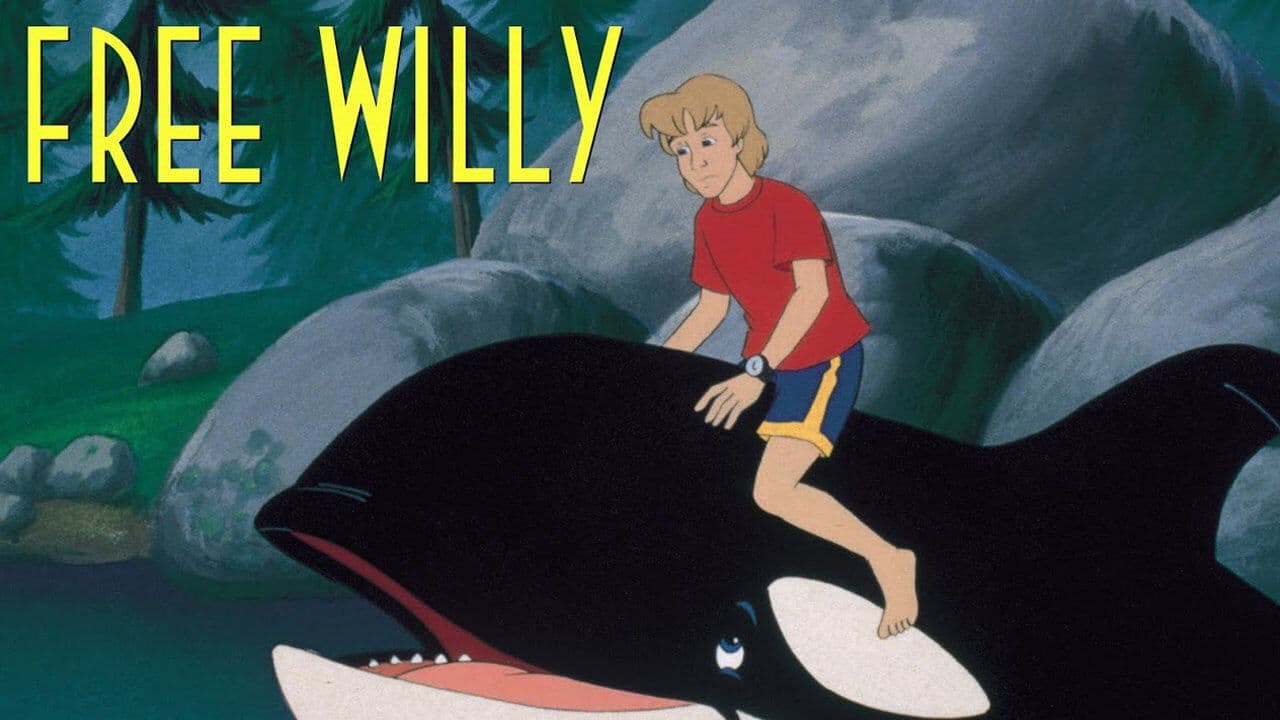
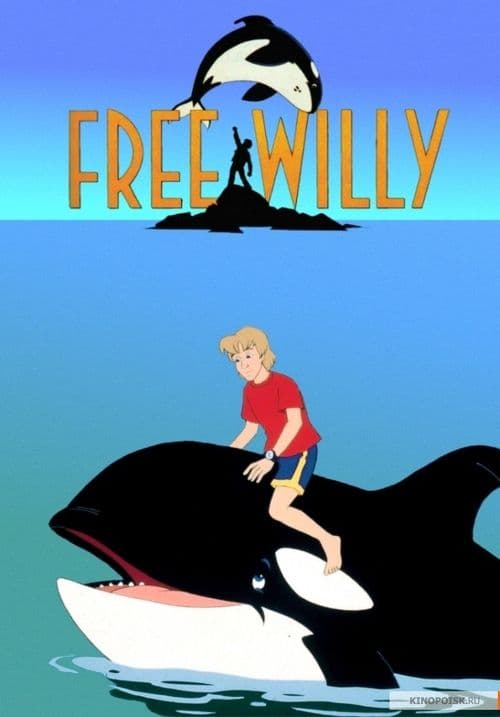
Free Willy is an animated television series, inspired by the 1993 film of the same name. This television series was produced by Warner Bros. Television, Regency Enterprises and the Canadian company Nelvana for Warner Bros. Studios. The show, which aired for one season on American Broadcasting Company, continues the adventures of the orca Willy and Jesse, the boy who freed him from captivity as shown in the film. In retrospect, the series also anticipates multiple plot elements of the film sequel, Free Willy 2: The Adventure Home, released the following summer. The overarching conflict is reminiscent of Moby-Dick: a powerful oil baron, known to the main characters only as a cyborg called "The Machine" until the final episodes, loses his arm and part of his face to Willy while committing an environmental atrocity and wants revenge upon "that rotten whale... and his boy".
Difficult scenes
The opening shows whalers tracking a pod of orcas and capturing Willy, separating him from his family. Even without graphic imagery, this sequence can upset animal loving children because it immediately introduces injustice, fear, and loss. Jesse is introduced as a boy abandoned by his mother, living with instability, anger, and deep feelings of rejection. These scenes are not violent, yet they can be emotionally intense for children who are sensitive to abandonment or foster care themes. Several scenes show Willy distressed in captivity, provoked by visitors or treated as a source of profit, leading to moments where he becomes dangerous to himself and others. The tension comes less from explicit attacks and more from the fear of seeing an intelligent suffering animal pushed too far. Later in the film, adults plot against Willy for financial reasons, and the escape effort involves pursuit, urgency, and real physical danger. Children may be affected by the sense that the heroes are being hunted and that the whale may die if no one helps in time.
Where to watch
No verified platform for the US market yet. We keep this section updated as availability changes.
About this title
- Format
- TV series
- Year
- 1994
- Runtime
- 30m
- Countries
- Canada, United States of America
- Original language
- EN
- Directed by
- Tedd Anasti, Stephen Hodgins, Patsy Cameron, Patricia R. Burns
- Main cast
- Zachary Bennett, Paul Haddad, Alyson Court, Rachael Crawford, Gary Krawford, Michael Fletcher, Neil Crone, James Kidnie
- Studios
- Regency Enterprises, Warner Bros. Animation, Warner Bros. Television, Le Studio Canal+, Nelvana
Content barometer
Violence
2/5
Moderate
Fear
2/5
A few scenes
Sexuality
0/5
None
Language
1/5
Mild
Narrative complexity
1/5
Accessible
Adult themes
0/5
None
Expert review
Free Willy is an emotional family adventure about the bond between a troubled boy and a captive orca, with a warm tone overall but clear undercurrents of sadness and suspense. Sensitive material mainly involves family separation, abandonment, animal captivity, mistreatment of the whale, and several believable danger scenes involving water, pursuit, and adult wrongdoing. The violence is moderate and not graphic, yet Willy's distress, the threat posed by greedy adults, and moments where the boy or the animal seem genuinely at risk may be intense for younger viewers. The film also carries meaningful emotional weight through Jesse's feelings of rejection and grief, which makes it more demanding than a very young child's comfort watch. Parents may want to watch alongside children who are especially sensitive to animals in danger or stories about abandonment, and talk through the upsetting scenes afterward.
Synopsis
Free Willy is an animated television series, inspired by the 1993 film of the same name. This television series was produced by Warner Bros. Television, Regency Enterprises and the Canadian company Nelvana for Warner Bros. Studios. The show, which aired for one season on American Broadcasting Company, continues the adventures of the orca Willy and Jesse, the boy who freed him from captivity as shown in the film. In retrospect, the series also anticipates multiple plot elements of the film sequel, Free Willy 2: The Adventure Home, released the following summer. The overarching conflict is reminiscent of Moby-Dick: a powerful oil baron, known to the main characters only as a cyborg called "The Machine" until the final episodes, loses his arm and part of his face to Willy while committing an environmental atrocity and wants revenge upon "that rotten whale... and his boy".
Difficult scenes
The opening shows whalers tracking a pod of orcas and capturing Willy, separating him from his family. Even without graphic imagery, this sequence can upset animal loving children because it immediately introduces injustice, fear, and loss. Jesse is introduced as a boy abandoned by his mother, living with instability, anger, and deep feelings of rejection. These scenes are not violent, yet they can be emotionally intense for children who are sensitive to abandonment or foster care themes. Several scenes show Willy distressed in captivity, provoked by visitors or treated as a source of profit, leading to moments where he becomes dangerous to himself and others. The tension comes less from explicit attacks and more from the fear of seeing an intelligent suffering animal pushed too far. Later in the film, adults plot against Willy for financial reasons, and the escape effort involves pursuit, urgency, and real physical danger. Children may be affected by the sense that the heroes are being hunted and that the whale may die if no one helps in time.