Ronja, the Robber's Daughter
山賊の娘ローニャ
Ronja, the Robber's Daughter
山賊の娘ローニャ
Your feedback improves this guide
Your feedback highlights guides that need a second look and keeps the rating trustworthy.
Does this age rating seem accurate to you?
Sign in to vote
Watch-outs
What this film brings
Content barometer
Violence
2/5
Moderate
Fear
2/5
A few scenes
Sexuality
0/5
None
Language
1/5
Mild
Narrative complexity
1/5
Accessible
Adult themes
0/5
None
Expert review
This animated series is a forest adventure with a Nordic fairy tale atmosphere, aimed at children but emotionally more intense than a gentle preschool show. The main sensitive material comes from natural dangers, fantasy creatures that can look scary, rivalry between robber groups, and several situations where children face real peril, are captured, threatened, or harshly rejected by adults. The intensity stays moderate and stylized, with no graphic violence and no sexual content, but tension appears regularly, and some episodes may unsettle younger viewers because of isolation in the woods, chases, and strong parental anger. There is also a meaningful layer of sadness through family conflict and hurtful words, which can be upsetting for sensitive children. For a child of 4, the story is likely too tense and emotionally demanding, while many children around 7 and up can enjoy it with a parent present to reassure them and talk through frightening scenes.
Synopsis
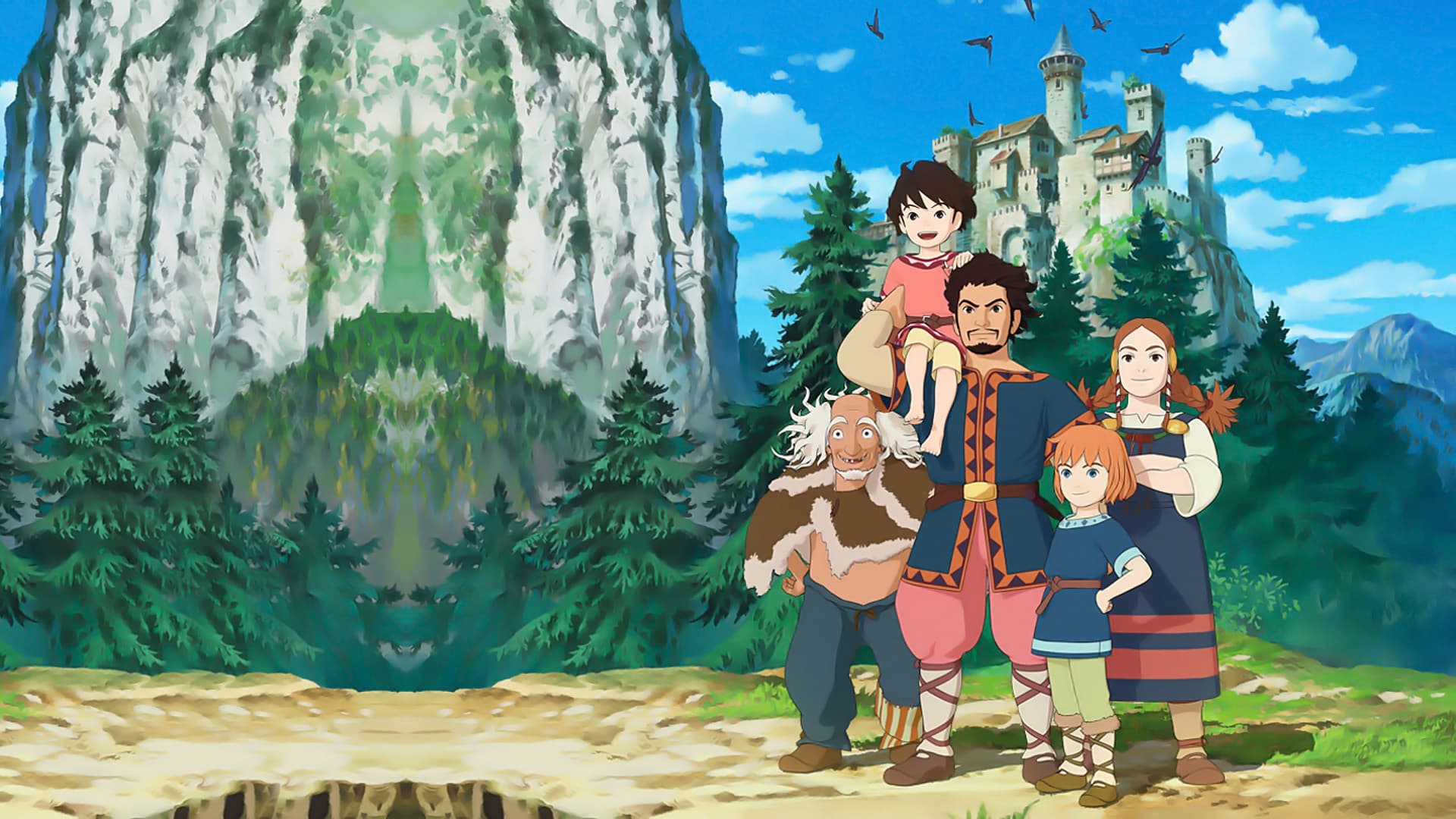
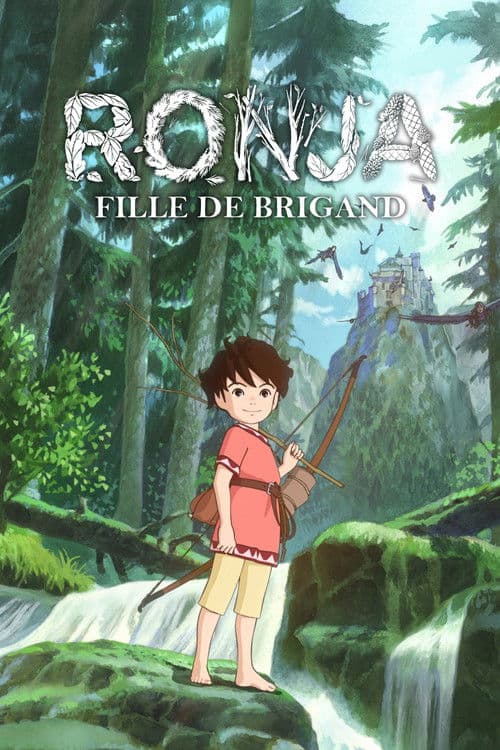
Ronja is the only daughter of Mattis, a bandit leader who lives in a castle in the middle of a large forest. When Ronja grows old enough, she ventures into the forest to interact the strange and magical creatures that live there. She learns to live in the forest through her own strength, with the occasional rescue from her parents. Ronja's life begins to change, however, when she happens upon a boy her own age named Birk.
Difficult scenes
Ronja often explores a huge and unpredictable forest on her own, where she encounters harpies, grey dwarfs, and other supernatural beings. These scenes rely on surprise, loud cries, and the threat of falling or being attacked, which can be frightening for younger children even though the animation is stylized. The rivalry between the two robber clans leads to confrontations, captures, and situations where Ronja or Birk are in direct danger. There is no strong graphic violence, but the peril feels real for child characters, which can create sustained tension across several scenes. One of the most emotionally difficult elements comes from the conflict between Ronja and her father, when adult anger becomes very harsh in words. A parent's rejection may upset some children more than the action scenes, because the emotional pain is easy for them to understand and feel. When the two children leave the safety of the castle to live in the wild, the series shows cold, hunger, uncertainty, and the challenge of surviving alone. Even without shocking imagery, this prolonged sense of vulnerability can make some episodes feel heavy for younger viewers.
Where to watch
No verified platform for the US market yet. We keep this section updated as availability changes.
About this title
- Format
- TV series
- Year
- 2014
- Runtime
- 25m
- Countries
- Japan
- Original language
- JA
- Directed by
- Goro Miyazaki
- Main cast
- Haruka Shiraishi, Reika Uyama, Yukari Nozawa, Mika Doi, Takaaki Seki, Atsuki Tani, Gillian Anderson, Teresa Gallagher, Rasmus Hardiker, Bob Golding
- Studios
- NHK, NHK Enterprises, Dwango, Polygon Pictures
Content barometer
Violence
2/5
Moderate
Fear
2/5
A few scenes
Sexuality
0/5
None
Language
1/5
Mild
Narrative complexity
1/5
Accessible
Adult themes
0/5
None
Expert review
This animated series is a forest adventure with a Nordic fairy tale atmosphere, aimed at children but emotionally more intense than a gentle preschool show. The main sensitive material comes from natural dangers, fantasy creatures that can look scary, rivalry between robber groups, and several situations where children face real peril, are captured, threatened, or harshly rejected by adults. The intensity stays moderate and stylized, with no graphic violence and no sexual content, but tension appears regularly, and some episodes may unsettle younger viewers because of isolation in the woods, chases, and strong parental anger. There is also a meaningful layer of sadness through family conflict and hurtful words, which can be upsetting for sensitive children. For a child of 4, the story is likely too tense and emotionally demanding, while many children around 7 and up can enjoy it with a parent present to reassure them and talk through frightening scenes.
Synopsis
Ronja is the only daughter of Mattis, a bandit leader who lives in a castle in the middle of a large forest. When Ronja grows old enough, she ventures into the forest to interact the strange and magical creatures that live there. She learns to live in the forest through her own strength, with the occasional rescue from her parents. Ronja's life begins to change, however, when she happens upon a boy her own age named Birk.
Difficult scenes
Ronja often explores a huge and unpredictable forest on her own, where she encounters harpies, grey dwarfs, and other supernatural beings. These scenes rely on surprise, loud cries, and the threat of falling or being attacked, which can be frightening for younger children even though the animation is stylized. The rivalry between the two robber clans leads to confrontations, captures, and situations where Ronja or Birk are in direct danger. There is no strong graphic violence, but the peril feels real for child characters, which can create sustained tension across several scenes. One of the most emotionally difficult elements comes from the conflict between Ronja and her father, when adult anger becomes very harsh in words. A parent's rejection may upset some children more than the action scenes, because the emotional pain is easy for them to understand and feel. When the two children leave the safety of the castle to live in the wild, the series shows cold, hunger, uncertainty, and the challenge of surviving alone. Even without shocking imagery, this prolonged sense of vulnerability can make some episodes feel heavy for younger viewers.