
Ron's Gone Wrong
Ron's Gone Wrong
Your feedback improves this guide
Your feedback highlights guides that need a second look and keeps the rating trustworthy.
Does this age rating seem accurate to you?
Sign in to vote
Watch-outs
What this film brings
Content barometer
Violence
2/5
Moderate
Fear
2/5
A few scenes
Sexuality
0/5
None
Language
1/5
Mild
Narrative complexity
2/5
Moderate
Adult themes
0/5
None
Expert review
This animated science fiction family film blends comedy, adventure, and emotion around a lonely boy and a malfunctioning robot, with an energetic but mostly warm tone. The main sensitive elements are school bullying, several chase and danger sequences, strong social embarrassment through public humiliation, and a thread of sadness linked to Barney's mother, who is stated to have died before the story begins. The intensity stays moderate and highly stylized, with no graphic violence and no sexual content, but scenes involving robots running out of control, hiding in the woods, a storm, and possible separation may unsettle very young viewers or children who are sensitive to rejection. The story also returns often to loneliness, social pressure, and the desire to belong, which may land more strongly with older children. I would recommend it from about age 7 for actual sensitivity, with a parent nearby to reassure during the embarrassment scenes and to talk about friendship, background grief, and how technology affects relationships.
Synopsis
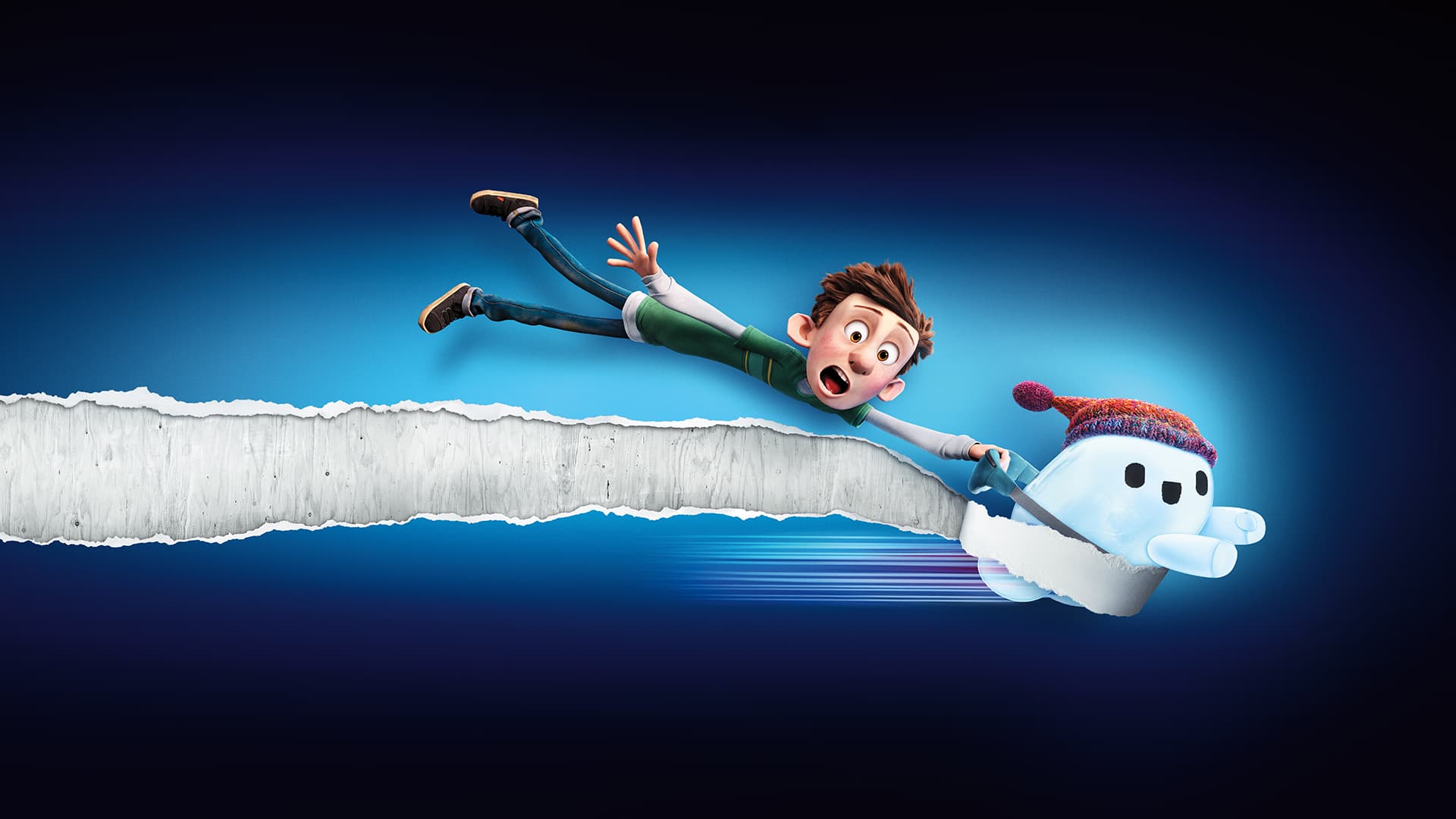
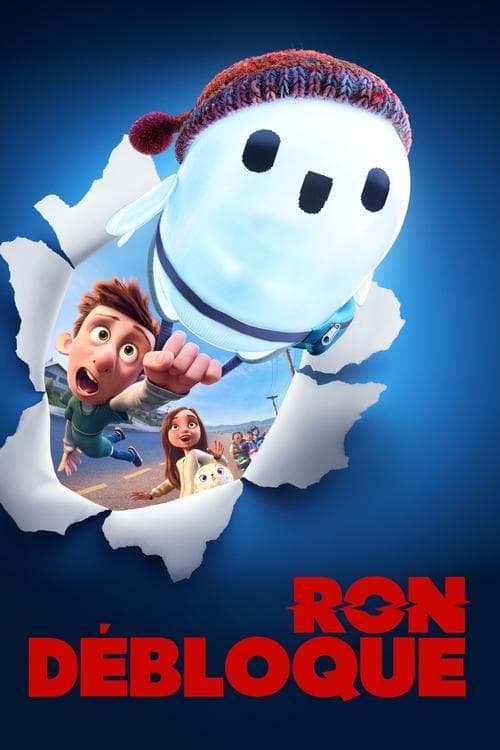
In a world where walking, talking, digitally connected bots have become children's best friends, an 11-year-old finds that his robot buddy doesn't quite work the same as the others do.
Difficult scenes
Early in the film, Barney is shown as the only student without a connected robot, and several classmates mock or exclude him. These social rejection scenes are emotionally believable even though the overall tone stays light, and they may hit hard for a child who has experienced loneliness or embarrassment at school. A malfunctioning robot behaves without normal safety limits and sometimes reacts in rough or chaotic ways when other kids try to humiliate Barney. The presentation remains comic and non graphic, but there are chases, frantic movement, and adults who want to take the robot away and destroy it, which can create real tension for younger viewers. Later, the story includes a very strong moment of public humiliation when one girl is exposed in front of others after a technology related mishap. There is no strong physical violence, but the embarrassment and the cruelty of the group reaction are clear, which may be harder for some children than the action scenes. The section in the woods brings more sustained tension, with hiding, cold weather, a storm, and Barney becoming physically weak because of his asthma. Nothing is shown in a graphic way, but the sense of vulnerability, the fear of losing the robot, and the worry for Barney may be unsettling for sensitive children.
Where to watch
No verified platform for the US market yet. We keep this section updated as availability changes.
Availability checked on Apr 01, 2026
About this title
- Format
- Feature film
- Year
- 2021
- Runtime
- 1h 47m
- Countries
- United Kingdom, United States of America
- Original language
- EN
- Directed by
- Sarah Smith, Jean-Philippe Vine
- Main cast
- Jack Dylan Grazer, Zach Galifianakis, Ed Helms, Olivia Colman, Rob Delaney, Justice Smith, Kylie Cantrall, Ricardo Hurtado, Cullen McCarthy, Ava Morse
- Studios
- Locksmith Animation, TSG Entertainment, DNEG
Content barometer
Violence
2/5
Moderate
Fear
2/5
A few scenes
Sexuality
0/5
None
Language
1/5
Mild
Narrative complexity
2/5
Moderate
Adult themes
0/5
None
Expert review
This animated science fiction family film blends comedy, adventure, and emotion around a lonely boy and a malfunctioning robot, with an energetic but mostly warm tone. The main sensitive elements are school bullying, several chase and danger sequences, strong social embarrassment through public humiliation, and a thread of sadness linked to Barney's mother, who is stated to have died before the story begins. The intensity stays moderate and highly stylized, with no graphic violence and no sexual content, but scenes involving robots running out of control, hiding in the woods, a storm, and possible separation may unsettle very young viewers or children who are sensitive to rejection. The story also returns often to loneliness, social pressure, and the desire to belong, which may land more strongly with older children. I would recommend it from about age 7 for actual sensitivity, with a parent nearby to reassure during the embarrassment scenes and to talk about friendship, background grief, and how technology affects relationships.
Synopsis
In a world where walking, talking, digitally connected bots have become children's best friends, an 11-year-old finds that his robot buddy doesn't quite work the same as the others do.
Difficult scenes
Early in the film, Barney is shown as the only student without a connected robot, and several classmates mock or exclude him. These social rejection scenes are emotionally believable even though the overall tone stays light, and they may hit hard for a child who has experienced loneliness or embarrassment at school. A malfunctioning robot behaves without normal safety limits and sometimes reacts in rough or chaotic ways when other kids try to humiliate Barney. The presentation remains comic and non graphic, but there are chases, frantic movement, and adults who want to take the robot away and destroy it, which can create real tension for younger viewers. Later, the story includes a very strong moment of public humiliation when one girl is exposed in front of others after a technology related mishap. There is no strong physical violence, but the embarrassment and the cruelty of the group reaction are clear, which may be harder for some children than the action scenes. The section in the woods brings more sustained tension, with hiding, cold weather, a storm, and Barney becoming physically weak because of his asthma. Nothing is shown in a graphic way, but the sense of vulnerability, the fear of losing the robot, and the worry for Barney may be unsettling for sensitive children.