Rise of the Guardians
Does this age rating seem accurate to you?
Detailed parental analysis
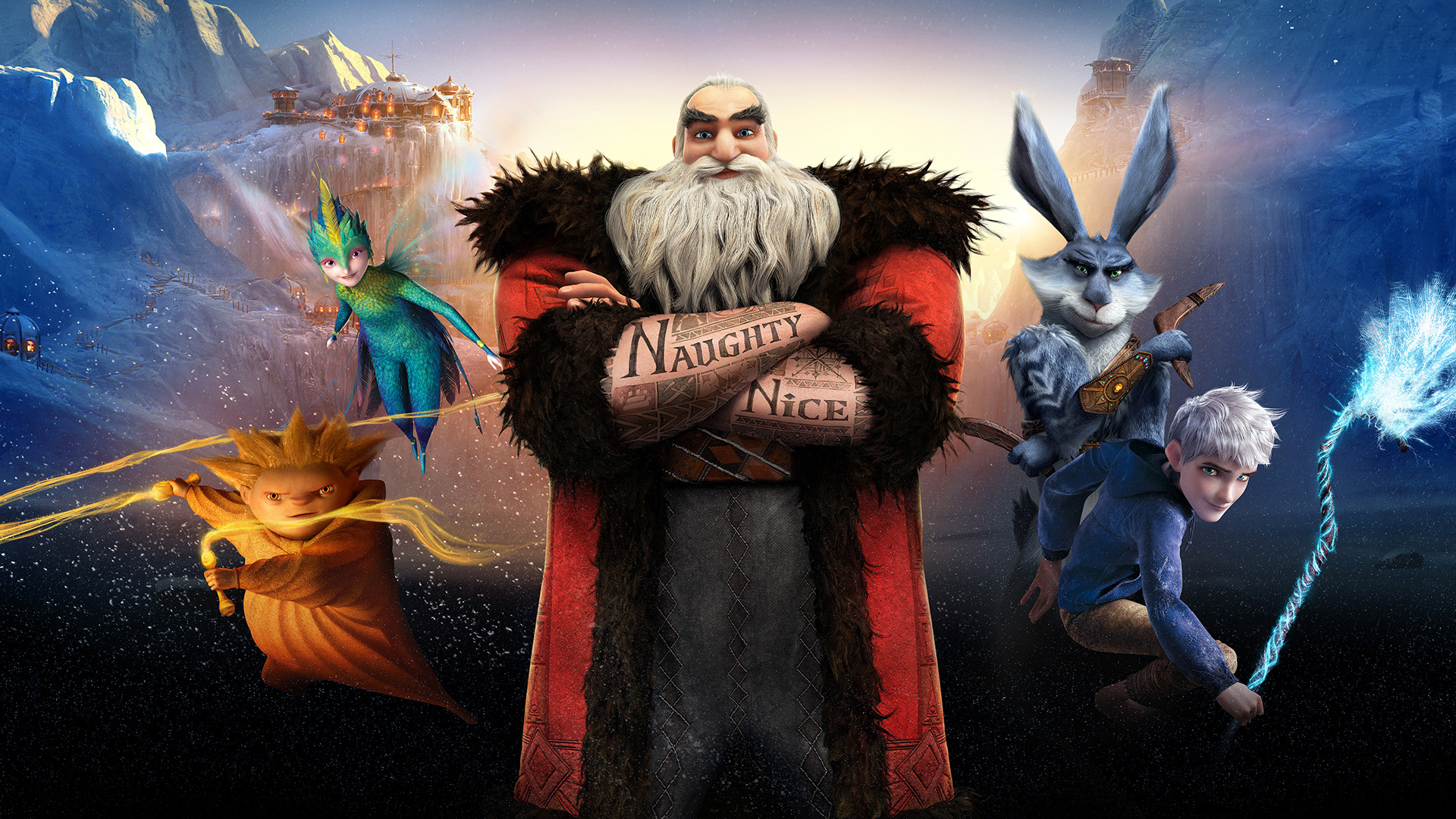
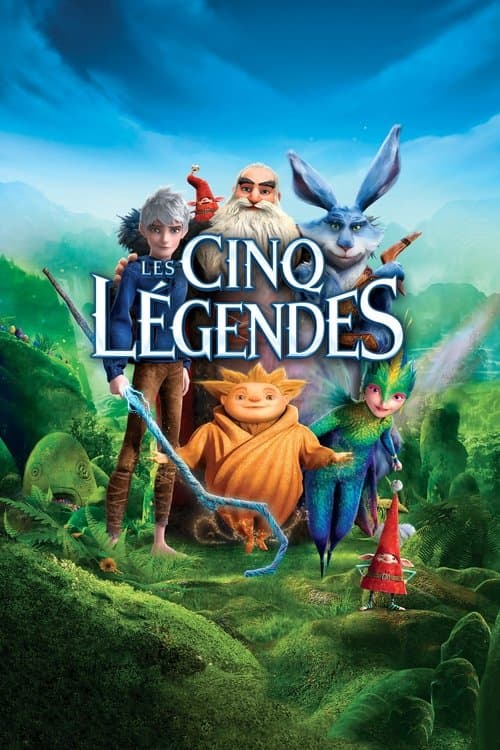
Rise of the Guardians is a fantastical animated film with a contrasting atmosphere, blending luminous wonder and frankly dark, anxiety-inducing passages. The plot follows Jack Frost, a young ice prodigy with no memory of his past, forced to join the mythical guardians of childhood to push back a being of darkness seeking to plunge the world of children into fear. The film is primarily aimed at children aged 6 to 10, but its emotional writing and treatment of identity quest also resonate with pre-adolescents.
Violence
The film contains recurring violence, chiefly in the form of fantastical combat between the guardians and the forces of nightmare. Weapons are numerous and varied: blades, magical whips, boomerangs, terror sand. A particularly striking scene shows the Sandman struck by a blade in the back and absorbed by black sand, in what resembles actual death before proving to be temporary disappearance. Pitch, the main villain, embodies a visceral threat: he holds a small fairy hostage, breaks his word spectacularly, destroys Jack's staff and sends him plummeting into a crevasse. This violence remains functional and never turns to gore, but its sustained pace and emotional intensity may exceed the capacity for self-regulation in the youngest or most sensitive children.
Underlying Values
The film rests on a strong structural message: the protective figures of childhood exist only because children believe in them. This postulate is narratively coherent and emotionally well-executed, but it can weaken a child's actual belief in Father Christmas or the tooth fairy by making explicit the dimension of collective faith. It is less a spoiler than a working mechanism of the film, which positions belief as an active resource rather than as objective reality. Collective solidarity is clearly valued: no guardian can win alone, and it is the union of children and heroes that turns the situation around. Pitch's betrayal and resentment are treated with a certain depth, this character being himself a forgotten and ignored being, which gives the narrative a more nuanced dimension than simple good-versus-evil conflict.
Parental and Family Portrayals
Human parental figures are virtually absent from the narrative, with children placed under the exclusive protection of mythical guardians. Jack Frost, the central character, is an orphan of memory who does not know who he was or why he exists, which nourishes a touching identity quest arc. The most emotionally charged relationship is the one he shares with his little sister, revealed in flashback: it is in saving her from drowning that he dies, then is transformed. This founding sacrifice is not explicitly treated as a parental model, but it illustrates an intense protective love that resonates differently depending on the age of the child viewer.
Social Themes
The film discreetly raises the question of what it means to be ignored, forgotten, invisible in the eyes of others. Pitch, the Boogeyman, is a figure no one believes in any longer, just as Jack is at the start of the narrative. This symmetry between hero and villain opens a reflection on marginality, the need for recognition, and the danger of defining oneself against others for want of being recognised by them. This is not a political film, but this subtext is sufficiently present to nourish a conversation with a child about what one feels when one senses being ignored or excluded.
Strengths
The film succeeds in articulating a coherent mythology around universal cultural figures whilst building characters with genuine emotional depth, which is rare in the children's fantastical register. Jack Frost's arc, centred on the quest for meaning and lost memory, far surpasses the schema of the hero called upon to save the world and offers a touching treatment of loneliness and the need for belonging. The pacing is well-controlled, alternating spectacular sequences and moments of emotional breathing room. The choice to make doubt and belief the true dramatic stakes gives the narrative a more enduring resonance than most animated films of the genre.
Age recommendation and discussion points
The film is not recommended for children under 6 years old and can be watched calmly from 7 or 8 years onward for a child without particular sensitivity to figures of horror or death. After viewing, two angles of discussion merit exploration: why does Jack choose to believe in himself at the end, and what helps us believe in something when others no longer do? And, if the child still believes in Father Christmas, it is better to anticipate the question the film implicitly poses about the nature of that belief.
Synopsis
When an evil spirit known as Pitch lays down the gauntlet to take over the world, the immortal Guardians must join forces for the first time to protect the hopes, beliefs and imagination of children all over the world.
About this title
- Format
- Feature film
- Year
- 2012
- Runtime
- 1h 37m
- Countries
- United States of America
- Original language
- EN
- Studios
- DreamWorks Animation
Content barometer
- Violence3/5Notable
- Fear4/5Intense
- Sexuality0/5None
- Language0/5None
- Narrative complexity1/5Accessible
- Adult themes0/5None
Values conveyed
- Courage
- Acceptance of difference
- friendship
- teamwork
- imagination