Return to Never Land
Does this age rating seem accurate to you?
Detailed parental analysis
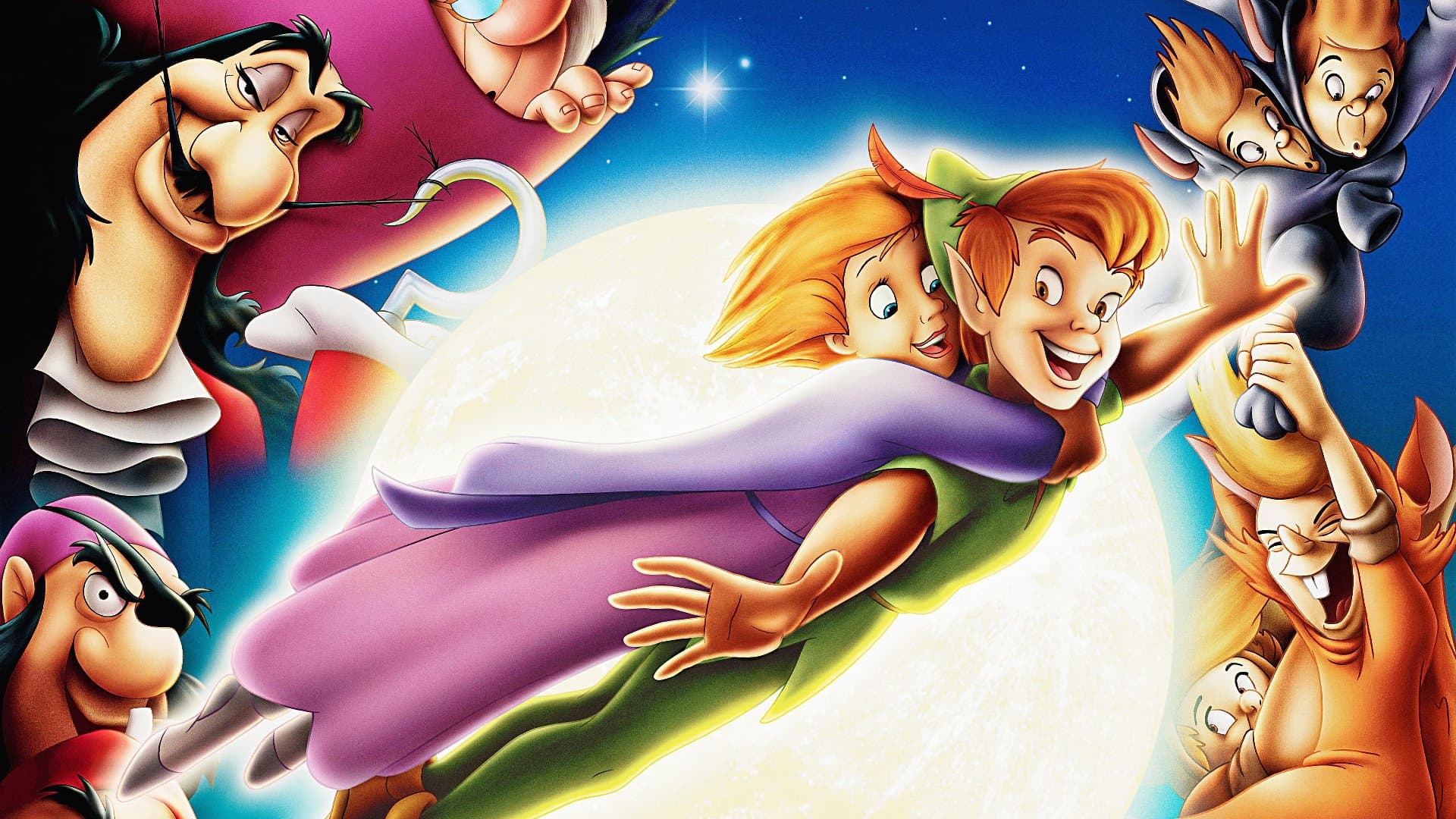
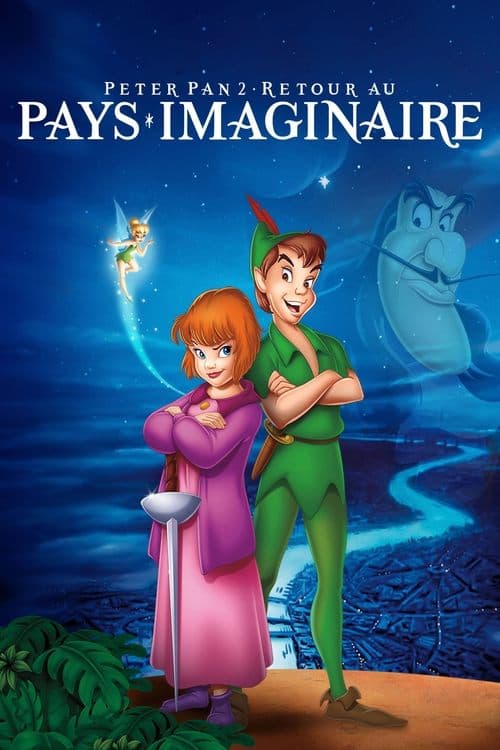
Peter Pan 2: Return to Neverland is a Disney animated film with an atmosphere that blends light adventure and genuinely tense moments, set against a backdrop of the Second World War that lends it an unusual gravity for the genre. The story follows Jane, Wendy's daughter who has become a pragmatic adolescent, drawn reluctantly to Neverland where she must rediscover a sense of trust and wonder. The film is aimed at children from 5-6 years old, but several sequences warrant parental guidance for the youngest viewers.
Violence
Violence remains in a cartoon register without graphic bloodshed, but its emotional intensity merits attention. Jane's abduction from her home at night, gagged, bound and locked in a sack, is a realistic kidnapping scene that can deeply disturb a child under 6 years old. The sequence where Hook throws Jane overboard to drown her or feed her to a giant aquatic creature is clearly threatening. The battles between pirates and Peter Pan, accompanied by gunfire and cannon fire, punctuate the film without becoming gratuitous spectacle: the violence serves the dramatic tension and consistently leads to resolution. The threat remains narrative, never sadistic.
Social Themes
The film opens with the London Blitz of 1940-1941 with a sobriety that does not downplay the reality of war: air raid sirens, bombardments, ruined buildings, children being evacuated by train. This historical backdrop gives the film an emotional dimension rare in family animation of that era. It may trigger pertinent questions about war, family separation and collective fear, questions that the film leaves open without resolving them naively. For very young children, these scenes can be a source of concrete anxiety.
Parental and Family Portrayals
The paternal figure is central through its absence: the father is a soldier at the front and entrusts Jane with the responsibility of protecting her mother and brother, an emotionally heavy burden for a child. The mother, Wendy, is loving but overwhelmed and weakened by worry. This transfer of responsibility from adult to child is an effective dramatic device, but it deserves to be put into perspective with a sensitive child who might internalise this injunction to grow up too quickly. The family reconciliation at the end of the film rebalances the message: the child does not have to bear the weight of the world alone.
Underlying Values
The film builds its main arc around the conflict between adult rationality and the capacity to believe, without resolving it in a Manichean way: Jane is not wrong to seek to be responsible, but she needs to rediscover trust and imagination to overcome adversity. The value of friendship, courage and solidarity between children is put forward consistently. The scene where Tinker Bell appears to die as a result of Jane's disbelief gives the notion of trust genuine dramatic weight, and the resolution shows that repairing a mistake through action is possible.
Discrimination
The film takes a measured distance from the original schema by reversing the rescue dynamic: it is Jane who saves Peter Pan, not the other way around. This narrative choice is coherent with the character's development without being flagged as a manifesto. The Lost Boys remain secondary characters stereotyped in their childish naivety, without this presenting any notable representation issue.
Strengths
The film takes the risky gamble of confronting a fairy tale with the historical reality of war, and this choice gives it an emotional depth that the original does not possess. The character of Jane is constructed with genuine psychological coherence: her scepticism is not a simple flaw to correct but the logical consequence of her environment, which makes her arc of transformation credible. The tension between the world of childhood and premature demands of adulthood is handled with a sincerity that resonates. The film works well as a starting point for discussing the Second World War with children at an accessible level.
Age recommendation and discussion points
The film is suitable from 5-6 years old with an adult present for the kidnapping, drowning and bombardment scenes, and can be watched without concern from 7 years old. Two angles of discussion are worth pursuing after viewing: why Jane had stopped believing in things that cannot be seen, and how war forces children to bear responsibilities that do not belong to them.
Synopsis
In 1940, the world is besieged by World War II. Wendy, all grown up, has two children; including Jane, who does not believe Wendy's stories about Peter Pan.
About this title
- Format
- Feature film
- Year
- 2002
- Runtime
- 1h 10m
- Countries
- Australia, Canada, United States of America
- Original language
- EN
- Directed by
- Robin Budd
- Main cast
- Harriet Owen, Blayne Weaver, Jeff Bennett, Kath Soucie, Corey Burton, Andrew McDonough, Roger Rees, Spencer Breslin, Bradley Pierce, Quinn Beswick
- Studios
- Disney Television Animation, Walt Disney Pictures, DisneyToon Studios
Content barometer
- Violence2/5Moderate
- Fear3/5Notable tension
- Sexuality0/5None
- Language0/5None
- Narrative complexity0/5Simple
- Adult themes0/5None
Watch-outs
Values conveyed
- Courage
- Friendship
- Autonomy
- Forgiveness
- family
- imagination