
All Grown Up!
All Grown Up!
Your feedback improves this guide
Your feedback highlights guides that need a second look and keeps the rating trustworthy.
Does this age rating seem accurate to you?
Sign in to vote
Watch-outs
What this film brings
Content barometer
Violence
1/5
Mild
Fear
0/5
None
Sexuality
1/5
Allusions
Language
1/5
Mild
Narrative complexity
2/5
Moderate
Adult themes
0/5
None
Expert review
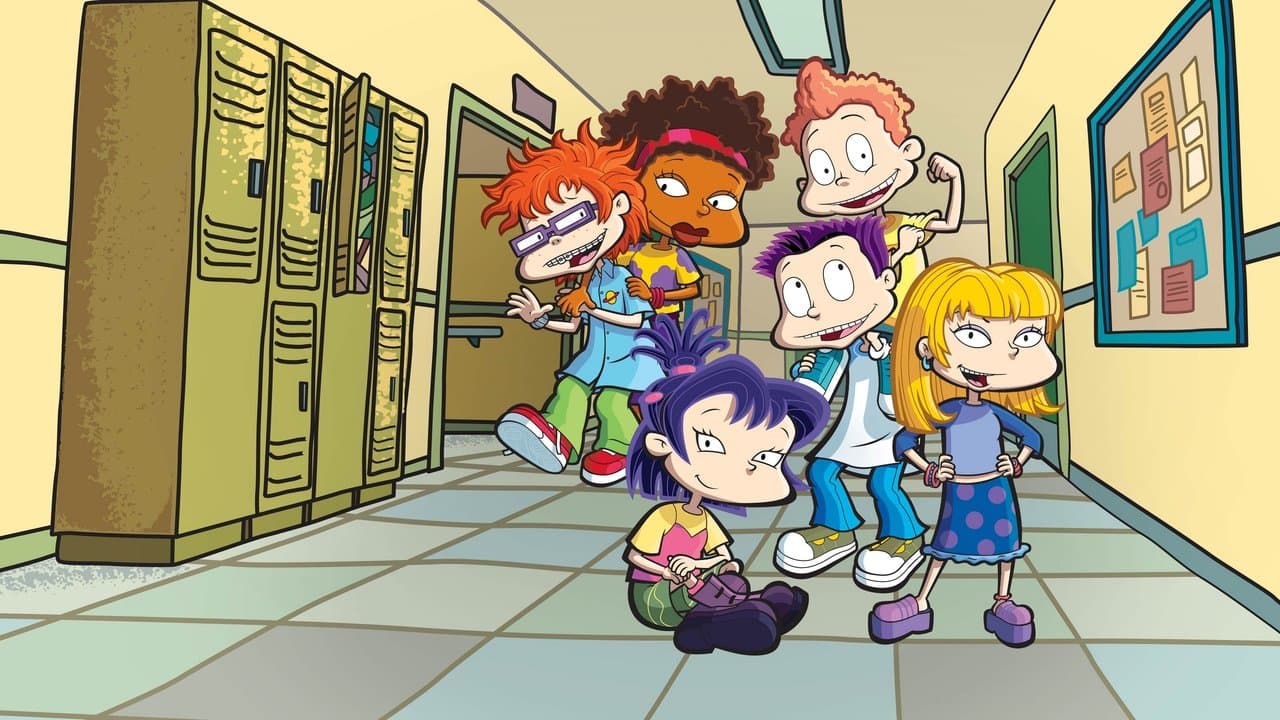
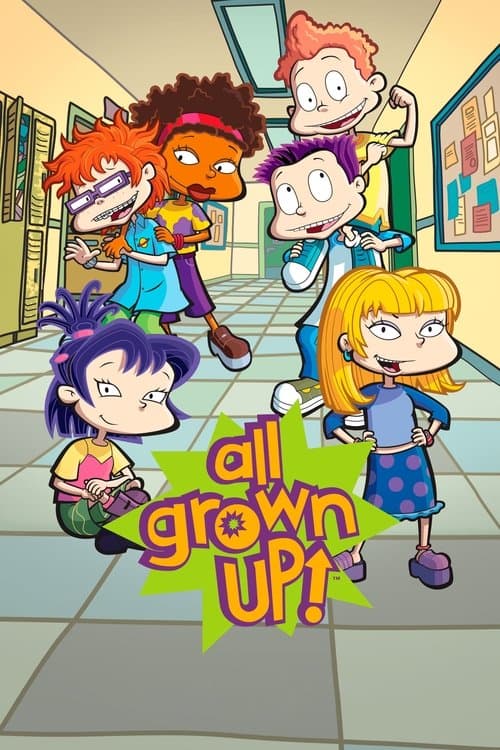
All Grown Up! is an American animated series produced for Nickelodeon, serving as a spin-off of the beloved Rugrats, in which the original characters are revisited ten years later as tweens navigating middle school life, shifting friendships, early crushes, and questions of identity typical of that transitional age. Sensitive elements are characteristic of the tween genre: social rivalries, peer teasing, concerns about physical appearance and popularity, mild academic pressure, and relational conflicts that remain without real gravity. These elements are handled in a light-hearted and generally positive tone, with no physical violence, no sexual content, and no significant coarse language, recurring regularly throughout episodes as they form the central narrative engine of the series. Parents can comfortably watch this series with children from age 10 onward, using the everyday situations depicted as a springboard for conversations about peer pressure, social relationships, and self-confidence during adolescence. It is also worth noting that the work carries dated gender stereotypes, especially in the way some female characters are presented or placed in distress. This does not automatically make the series unsuitable, but it is worth flagging and can be discussed with children.
Synopsis
The former "Rugrats" tots now face preteen issues and dilemmas.
Difficult scenes
Angelica, a recurring character carried over from Rugrats, regularly displays condescending and manipulative behavior toward her peers, attempting to assert social dominance through mockery or exclusion. While this behavior is consistently framed as a character flaw and often played for laughs, it may resonate painfully with children who have personally experienced rejection or bullying at school. Several episodes center on concerns about physical appearance and popularity, particularly among female characters who question their look, their clothing, or how they are perceived by boys. Although handled humorously, these storylines may reinforce existing sensitivities around self-esteem and the need for social validation in some young viewers. Early romantic experiences such as crushes, romantic jealousy, and friendship misunderstandings related to affection appear frequently throughout the series and serve as a significant narrative thread. These situations remain innocent and age-appropriate for the characters depicted, but may prompt questions from younger viewers or those who have not yet encountered these kinds of social dynamics.
Where to watch
No verified platform for the US market yet. We keep this section updated as availability changes.
About this title
- Format
- TV series
- Year
- 2003
- Countries
- United States of America
- Original language
- EN
- Directed by
- Arlene Klasky, Gábor Csupó, Paul Germain
- Main cast
- E. G. Daily, Nancy Cartwright, Kath Soucie, Cheryl Chase, Cree Summer, Dionne Quan, Tara Strong
- Studios
- Klasky-Csupo, Nickelodeon Animation Studio
Content barometer
Violence
1/5
Mild
Fear
0/5
None
Sexuality
1/5
Allusions
Language
1/5
Mild
Narrative complexity
2/5
Moderate
Adult themes
0/5
None
Expert review
All Grown Up! is an American animated series produced for Nickelodeon, serving as a spin-off of the beloved Rugrats, in which the original characters are revisited ten years later as tweens navigating middle school life, shifting friendships, early crushes, and questions of identity typical of that transitional age. Sensitive elements are characteristic of the tween genre: social rivalries, peer teasing, concerns about physical appearance and popularity, mild academic pressure, and relational conflicts that remain without real gravity. These elements are handled in a light-hearted and generally positive tone, with no physical violence, no sexual content, and no significant coarse language, recurring regularly throughout episodes as they form the central narrative engine of the series. Parents can comfortably watch this series with children from age 10 onward, using the everyday situations depicted as a springboard for conversations about peer pressure, social relationships, and self-confidence during adolescence. It is also worth noting that the work carries dated gender stereotypes, especially in the way some female characters are presented or placed in distress. This does not automatically make the series unsuitable, but it is worth flagging and can be discussed with children.
Synopsis
The former "Rugrats" tots now face preteen issues and dilemmas.
Difficult scenes
Angelica, a recurring character carried over from Rugrats, regularly displays condescending and manipulative behavior toward her peers, attempting to assert social dominance through mockery or exclusion. While this behavior is consistently framed as a character flaw and often played for laughs, it may resonate painfully with children who have personally experienced rejection or bullying at school. Several episodes center on concerns about physical appearance and popularity, particularly among female characters who question their look, their clothing, or how they are perceived by boys. Although handled humorously, these storylines may reinforce existing sensitivities around self-esteem and the need for social validation in some young viewers. Early romantic experiences such as crushes, romantic jealousy, and friendship misunderstandings related to affection appear frequently throughout the series and serve as a significant narrative thread. These situations remain innocent and age-appropriate for the characters depicted, but may prompt questions from younger viewers or those who have not yet encountered these kinds of social dynamics.