Raya and the Last Dragon
Does this age rating seem accurate to you?
Detailed parental analysis
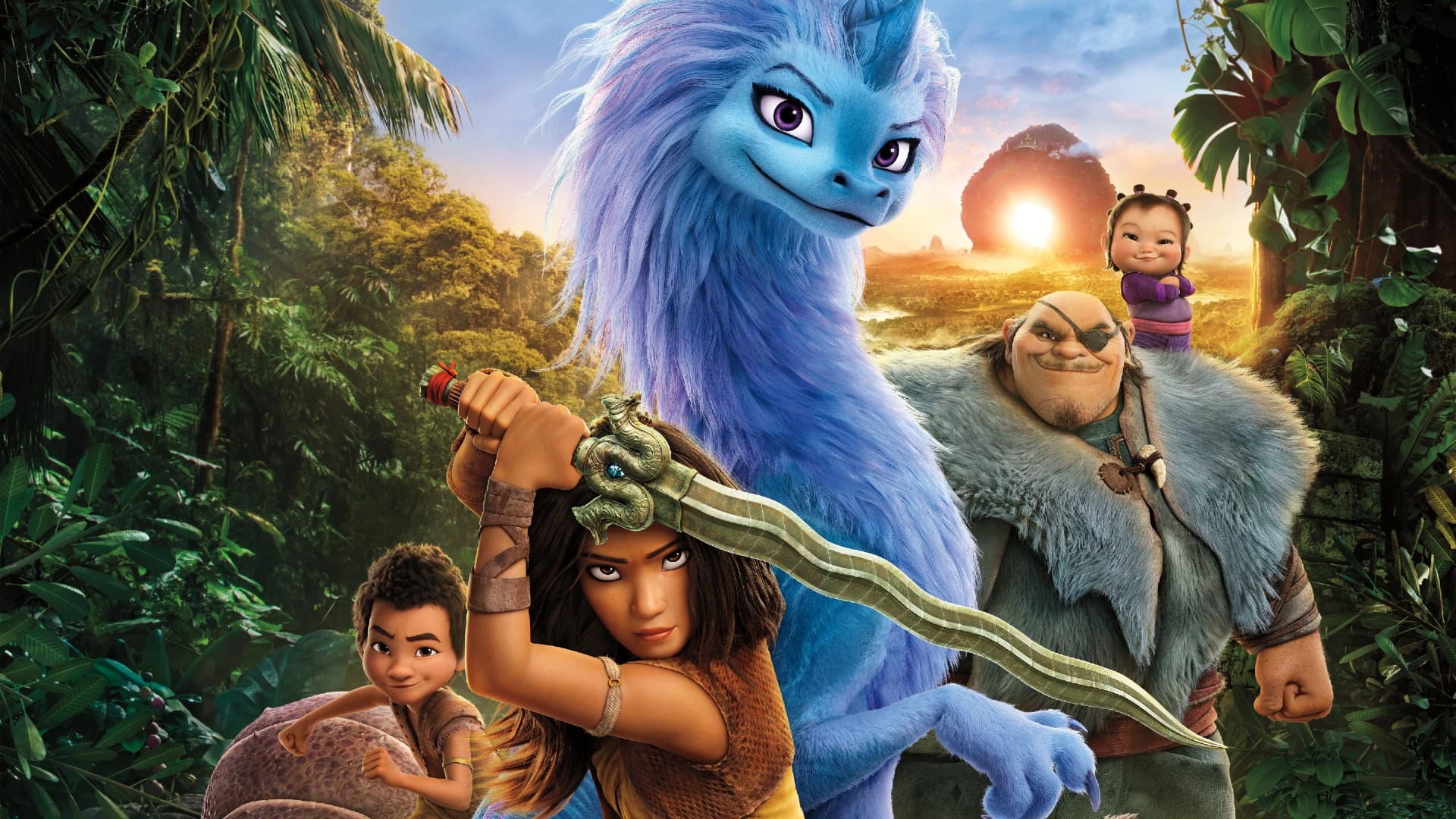
Raya and the Last Dragon is a Disney adventure film with a sustained atmosphere, blending intense action sequences, deep emotional stakes and moments of humour. In a fantastical world inspired by Southeast Asia, a young warrior embarks on a quest to find the last dragon in order to save her people from malevolent entities that turn the living to stone. The film primarily targets children from 8-9 years old and pre-adolescents, though certain scenes will also resonate with adults.
Violence
Violence is the most salient dimension of the film for a parent. Combat sequences are numerous, technically elaborate and extended: Raya faces multiple adversaries with sword, kicks and punches that are clearly choreographed. The death of the main dragon, struck by an arrow and falling from a cliff, is treated without euphemism. The Druun, malevolent creatures that appear abruptly against tense music, turn victims to stone in repeated scenes that may provoke a strong sense of anxiety. This violence remains entirely oriented towards defence, never gratuitous or gory, and fits within a clear narrative logic of sacrifice and resistance. It does not undermine the film's moral message, but it merits genuine attention for sensitive children or those under 7 years old.
Underlying Values
The film constructs its entire narrative around a tension between mistrust and trust. Raya carries for a long time a logic of defiance justified by a past betrayal, and the film takes time to show why this stance is understandable before calling it into question. The central message, trusting despite hurt and forgiving a former enemy, is treated with real narrative depth rather than as an applied lesson. Individualism is shown as a response to collective trauma, not as a celebrated value. Personal sacrifice for the common good constitutes the moral resolution of the film.
Social Themes
The film depicts a world fragmented into rival clans unable to cooperate, the direct result of broken trust in a shared past. The metaphor of division as a vector of collective catastrophe is readable even for a young viewer. This political backdrop, a humanity divided and self-destructing through mistrust, gives real weight to the narrative without ever tipping into didacticism.
Parental and Family Portrayals
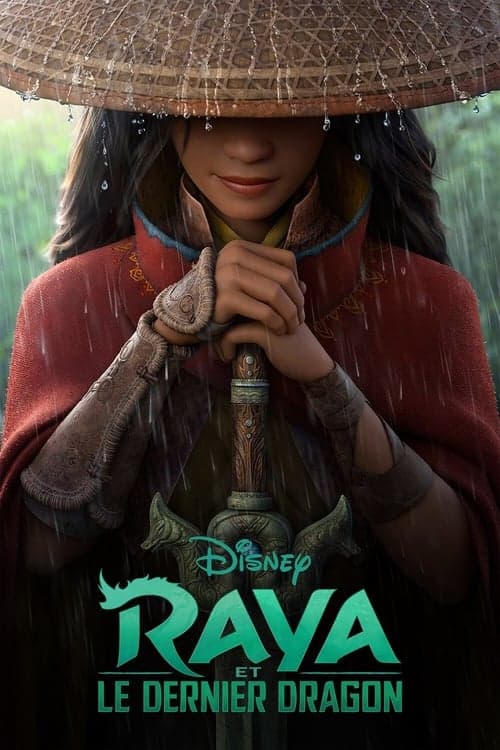
Raya's father occupies a central place in her motivation. His petrification before the protagonist's eyes, after being struck by an arrow, constitutes one of the most emotionally charged moments in the film. He is portrayed as a loving, trusting and pedagogical father, which makes his loss all the more weighty. The film treats the grieving of the paternal figure with a sincerity that may touch children who have experienced separation or family loss.
Discrimination
The film draws visual and cultural inspiration from Southeast Asia, drawing on a wide spectrum of references ranging from Vietnam to Thailand, from Indonesia to Cambodia. This composite treatment, often described as pan-Asian, fuses distinct cultures into a unified fantastical world. This choice is discussed within the communities involved: some see it as a sincere and benevolent representation, whilst others regret the absence of finer distinctions between real and diverse cultural heritages. This point can be the subject of an enriching conversation with a curious child or adolescent about the cultures of the world.
Language
The language remains entirely controlled, without swearing or vulgarity. A few colloquial expressions in English (absent in the dubbed French version) constitute the only notable trace in this register, without real impact on the viewing experience.
Strengths
The film distinguishes itself through its ability to treat trust and forgiveness as courageous acts rather than moral certainties, which avoids the habitual Manichaean pattern of children's animated productions. The construction of Raya's character is solid: her mistrust is motivated, her evolution credible. The main antagonist likewise benefits from nuanced writing, which makes the central conflict genuinely dramatic. The film also offers a visual immersion into a cultural area rarely represented in mainstream animation, with genuine documentary care applied to architecture, costumes and landscapes. The pace is sustained without ever sacrificing the emotional breathing space necessary.
Age recommendation and discussion points
The film is recommended from 8 years old for most children, being attentive to sensitive profiles for whom 9-10 years will be more comfortable given the intensity of certain scenes and the treatment of grief. Two discussion angles are particularly worthwhile after viewing: why is trusting someone who has already hurt us so difficult, and under what conditions can we return to it? And also: what happens when a community chooses to divide rather than cooperate, and who pays the price?
Synopsis
Long ago, in the fantasy world of Kumandra, humans and dragons lived together in harmony. But when an evil force threatened the land, the dragons sacrificed themselves to save humanity. Now, 500 years later, that same evil has returned and it’s up to a lone warrior, Raya, to track down the legendary last dragon to restore the fractured land and its divided people.
About this title
- Format
- Feature film
- Year
- 2021
- Runtime
- 1h 47m
- Countries
- United States of America
- Original language
- EN
- Studios
- Walt Disney Animation Studios
Content barometer
- Violence3/5Notable
- Fear3/5Notable tension
- Sexuality0/5None
- Language1/5Mild
- Narrative complexity2/5Moderate
- Adult themes0/5None
Values conveyed
- Courage
- Loyalty
- Forgiveness
- friendship
- trust
- teamwork