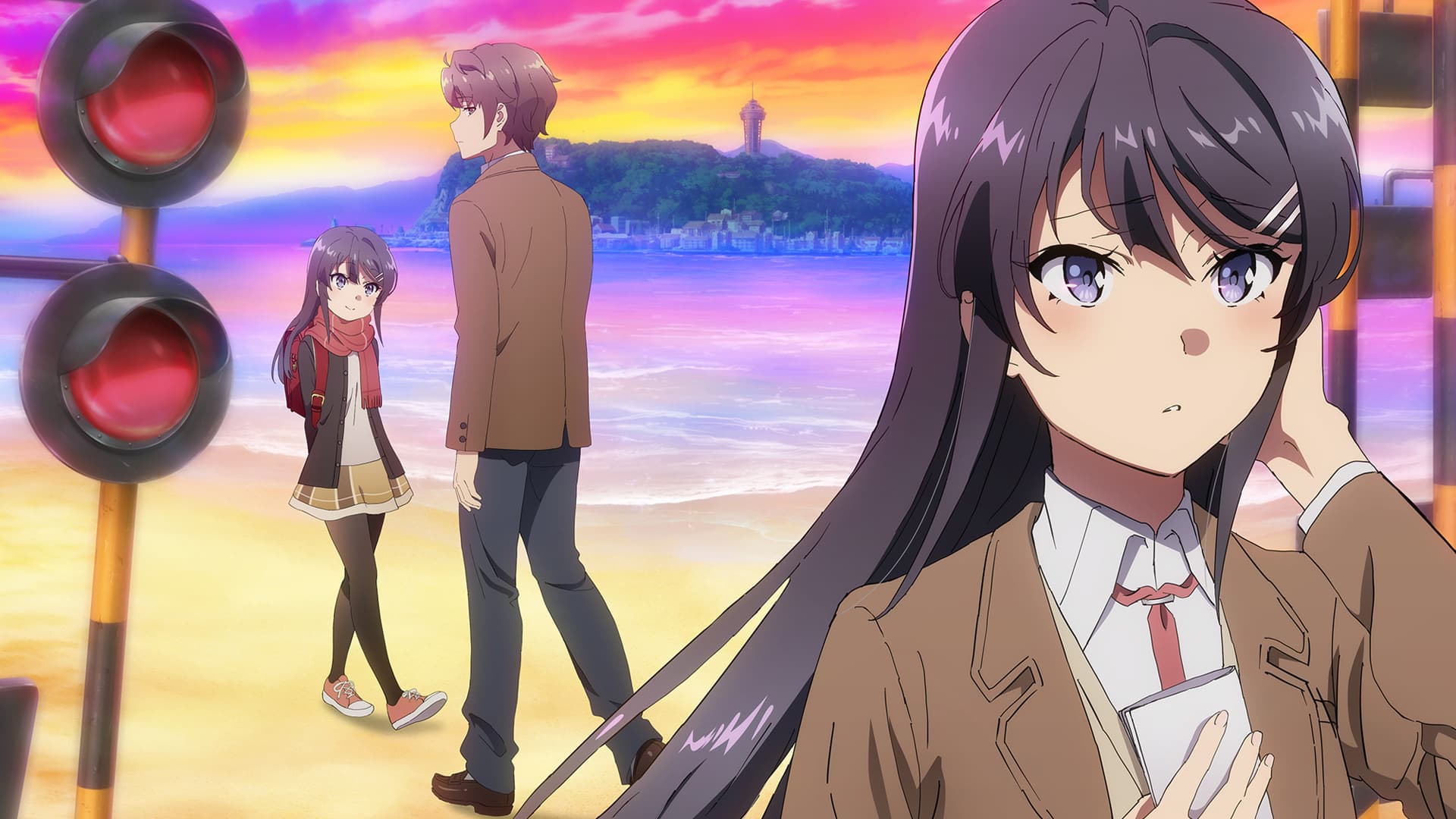

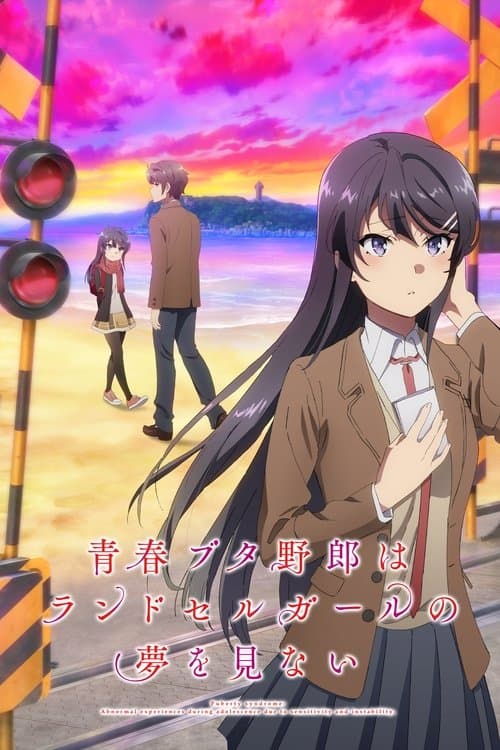
Rascal Does Not Dream of a Knapsack Kid
青春ブタ野郎はランドセルガールの夢を見ない
Does this age rating seem accurate to you?
Detailed parental analysis
Rascal Does Not Dream of a Knapsack Kid is a contemplative and emotionally dense adolescent drama, tinged with persistent melancholy. The plot follows a high school student confronted with a mysterious classmate who appears to have lost all existence in the eyes of those around her, whilst his own family is going through a profound crisis. The film is primarily aimed at an adolescent and adult audience sensitive to narratives of identity, family breakdown and emotional reconstruction.
Parental and Family Portrayals
The film consistently upholds the idea that family bonds deserve to be preserved or rebuilt, even when past pain is real and legitimate. This value of reconciliation is carried without naivety: the narrative acknowledges the weight of trauma and does not minimise the suffering of the characters. Implicitly, the film questions what it means to exist for others, the value of presence and emotional recognition. These themes are treated with a depth that invites reflection rather than passive acceptance.
Underlying Values
The film consistently upholds the idea that family bonds deserve to be preserved or rebuilt, even when past pain is real and legitimate. This value of reconciliation is carried without naivety: the narrative acknowledges the weight of trauma and does not minimise the suffering of the characters. Implicitly, the film questions what it means to exist for others, the value of presence and emotional recognition. These themes are treated with a depth that invites reflection rather than passive acceptance.
Sex and Nudity
The film contains some light sexual references, in the form of insinuations about sharing a bath or sleeping together. These allusions remain suggestive and give rise to no explicit scenes or problematic visual representation. They fall within the usual register of adolescent dynamics and do not constitute a central element of the narrative, but merit being flagged for parents of younger children.
Violence
Physical violence is present in a sporadic and unspectacular manner: a slap and a forceful gesture on the feet are mentioned. These acts occur within a context of interpersonal tension and are neither aestheticised nor repeated for purposes of entertainment. They contribute to the representation of an emotionally unstable environment rather than to a logic of action or confrontation.
Strengths
The film distinguishes itself through its capacity to address weighty subjects, notably parental mental health and social invisibility, with narrative restraint that avoids easy melodrama. The writing constructs adolescent characters endowed with genuine psychological depth, and the narrative takes time to explore the emotional consequences of family breakdown without seeking to resolve them artificially. For an adolescent capable of receiving this type of narrative, the film offers a rare space for recognition and articulation of experiences often difficult to put into words.
Age recommendation and discussion points
The film is not recommended before age 13 due to the emotional density of its themes, notably parental psychological crisis and emotional abandonment. From age 14 onwards, it can constitute a valuable discussion tool, provided parental accompaniment. Two concrete angles to explore after viewing: how to respond when you feel invisible to those you love, and to what extent past wounds can or cannot justify breaking family ties.
Synopsis
Finally, the day of Mai's high school graduation has arrived. While Sakuta eagerly waits for his girlfriend, an elementary schooler who looks exactly like her appears before him. Suspicious, and for all the wrong reasons... Meanwhile, Sakuta and Kaede's father suddenly calls, saying that their mother wants to see her daughter. She was hospitalized because Kaede's condition had been too much for her to bear, so what could she possibly want now?
About this title
- Format
- Feature film
- Year
- 2023
- Runtime
- 1h 15m
- Countries
- Japan
- Original language
- JA
- Directed by
- Soichi Masui
- Main cast
- Kaito Ishikawa, Asami Seto, Yurika Kubo, Nao Toyama, Atsumi Tanezaki, Maaya Uchida, Inori Minase, Yuma Uchida, Miho Okasaki, Aya Endo
- Studios
- Aniplex, KADOKAWA, CloverWorks, ABC Animation, Tokyo MX, Nagoya Broadcasting Network, BS11
Content barometer
- Violence2/5Moderate
- Fear3/5Notable tension
- Sexuality1/5Allusions
- Language1/5Mild
- Narrative complexity2/5Moderate
- Adult themes0/5None
Watch-outs
- Grief
- Abuse
- Death / grief
Values conveyed
- Forgiveness
- resilience
- family
- empathy
- love