
Rascal Does Not Dream of a Dreaming Girl
青春ブタ野郎はゆめみる少女の夢を見ない
Does this age rating seem accurate to you?
Detailed parental analysis
Rascal Does Not Dream of a Dreaming Girl is a romantic and sentimental drama with a bittersweet atmosphere, driven by a progressively mounting emotional intensity that culminates in a heartbreaking conclusion. The plot follows a high school student confronted both by a romantic relationship that takes a dramatic turn and by the appearance of a young girl linked to a painful past, all within a context where illness and death come to the fore. The film is aimed above all at adolescents and young adults, with thematic maturity that far exceeds the age of its characters.
Violence
The film contains a scene of a fatal car accident which constitutes the central emotional turning point of the narrative. The impact is neither gory nor self-indulgently detailed, but it is sufficiently direct to be deeply traumatic, particularly because it affects a character to whom the viewer is strongly attached. Death is not here a backdrop element: it is the dramatic engine of the film and comes with an explicit depiction of brain death and organ donation, addressed seriously but without evasion. For a child or pre-adolescent, this sequence and its consequences can leave an impression that is difficult to process alone.
Underlying Values
The narrative is structured around sacrifice, solidarity between romantic partners, and perseverance in the face of adversity. These values are embodied with sincerity and without cynicism. The film also implicitly valorises the resilience of those facing serious chronic illness, by showing a young adolescent girl who is ill but aspires to live normally, which opens a space for reflection on vulnerability and dignity. There are no structurally questionable values, but the centrality of romantic sacrifice as a supreme moral gesture deserves to be discussed with an adolescent: romantic love is not the only lens through which moral identity is constructed.
Social Themes
Serious illness in childhood and organ donation occupy a central narrative place. The film treats these subjects with a clear empathetic intention, but their presence is frontal: a child character suffers from severe heart disease requiring a transplant, and the question of organ procurement from a brain-dead donor is explicitly raised. These themes, though handled with care, can trigger anxiety in young viewers, particularly those with personal experience of illness or loss.
Parental and Family Portrayals
Parental figures are sparsely present in the narrative, which is consistent with the tonality of the genre but merits noting. Adolescents face ordeals of exceptional gravity, some of which involve weighty decisions, without adults playing a visible or structuring role of support. This normalised absence of adult guidance can implicitly reinforce the idea that adolescents must face alone situations that exceed their years.
Strengths
The film deploys rigorous emotional writing that avoids the conveniences of predictable melodrama: sadness is earned progressively, characters are coherent and their romantic relationship is treated with rare maturity in the genre. The narrative's capacity to render the suffering of a young sick girl both poignant and dignified, without excessive pathos, testifies to genuine narrative intelligence. For a sufficiently mature adolescent, the film can constitute a serious introduction to concrete existential questions, notably finitude, the value of shared time, and the meaning of self-giving.
Age recommendation and discussion points
The film is not recommended before age 13 due to the frank death of an endearing character, serious illness in a child, and the sustained emotional intensity throughout. For serene and constructive viewing, 15 years constitutes a more appropriate threshold. Two angles of discussion merit being opened after viewing: how one comes to terms with the idea that people one loves can disappear, and what organ donation represents as a concrete gesture of solidarity between strangers.
Synopsis
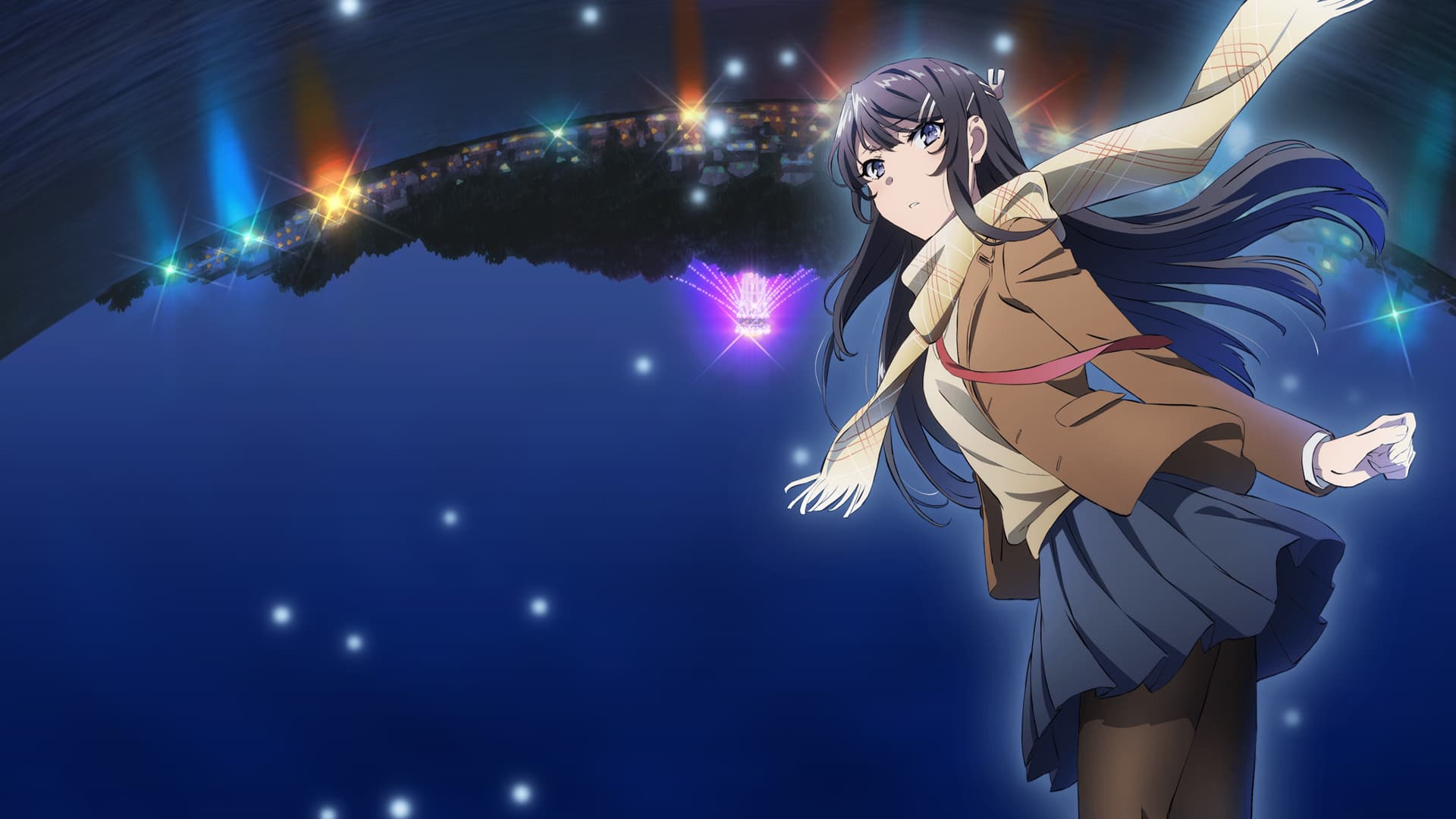
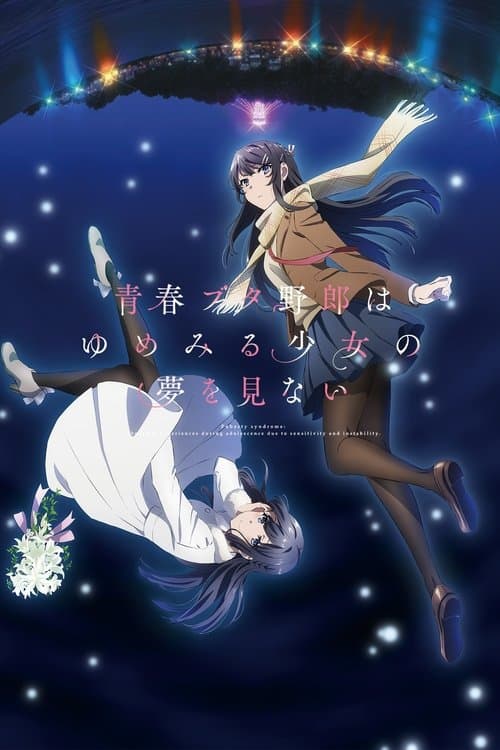
In Fujisawa, Sakuta Azusagawa is in his second year of high school. Blissful days with his girlfriend and upperclassman, Mai Sakurajima, are interrupted by the appearance of his first crush, Shoko Makinohara.
About this title
- Format
- Feature film
- Year
- 2019
- Runtime
- 1h 30m
- Countries
- Japan
- Original language
- JA
- Directed by
- Soichi Masui
- Main cast
- Kaito Ishikawa, Asami Seto, Inori Minase, Nao Toyama, Atsumi Tanezaki, Maaya Uchida, Yurika Kubo, Yuma Uchida, Satomi Sato, Natsuki Aikawa
- Studios
- CloverWorks, Aniplex, ABC Animation, KADOKAWA, Tokyo MX, Nagoya Broadcasting Network, BS11, Hakuhodo DY Music & Pictures
Content barometer
- Violence3/5Notable
- Fear4/5Intense
- Sexuality1/5Allusions
- Language0/5None
- Narrative complexity2/5Moderate
- Adult themes0/5None
Values conveyed
- Acceptance of difference
- Perseverance
- Compassion
- Loyalty
- love
- empathy
- sacrifice