Rango
Does this age rating seem accurate to you?
Detailed parental analysis
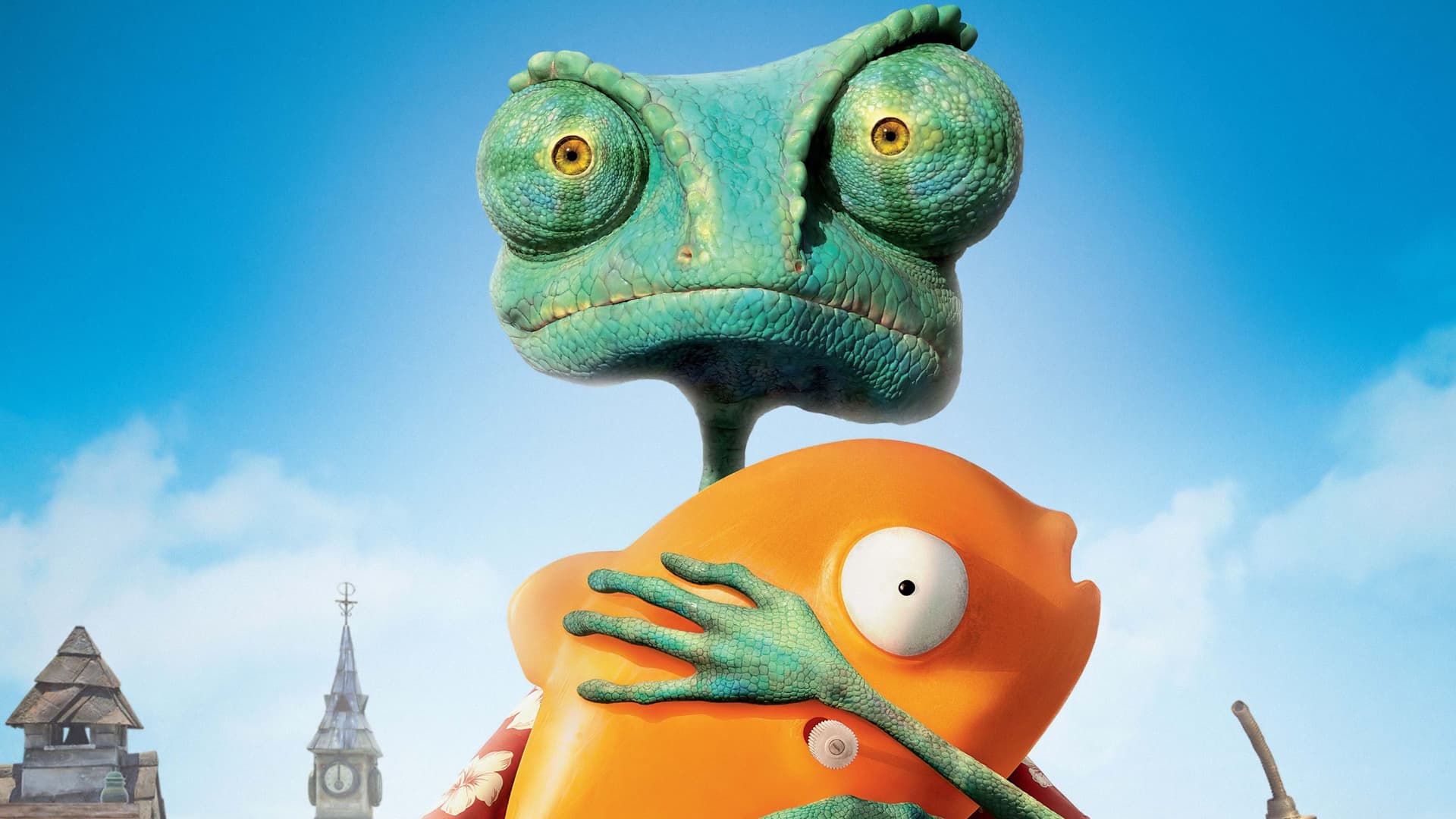
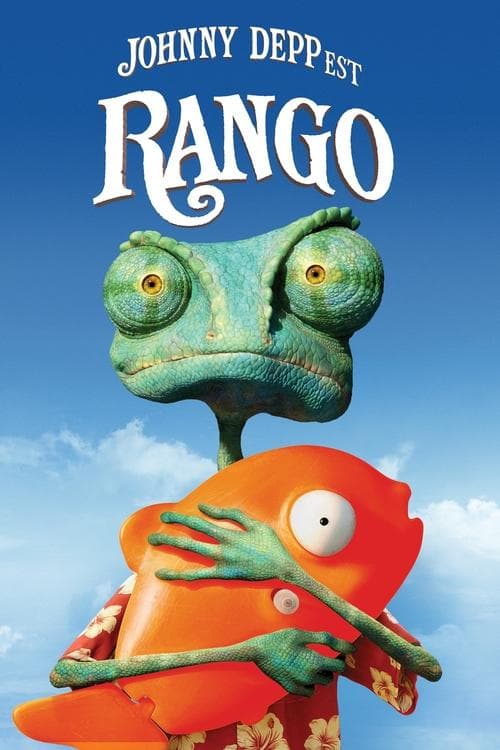
Rango is an animated western with a dry, dusty atmosphere, deliberately melancholic despite its comic moments. A nameless, identity-less domestic chameleon finds himself thrust into the role of sheriff of a small desert town in crisis, and must decide whether he prefers to play a character or become someone real. Despite its appearance as a children's film, the film is primarily aimed at pre-teens and adults, and multiplies cultural references and offbeat humour that go largely over the heads of children under nine.
Underlying Values
The film's central message is structurally sound: one cannot build a viable existence on a lie of identity, and true courage consists in accepting who one is rather than playing the character others expect. This self-discovery theme is treated with considerable depth for an animated film. In parallel, the narrative also glorifies the authority of the lone hero as the sole engine of change, without questioning this schema. Institutional corruption is explicitly shown as the community's real problem, which opens an interesting discussion on power and its abuse.
Violence
Violence is recurrent and constitutive of the western genre the film borrows from: shootouts, duels, deadly pursuits and physical intimidation follow one another throughout the narrative. It remains stylised, without blood or realistic wounds, but its frequency and dramatic intensity are real. Two particularly threatening figures, a predatory hawk and an armed rattlesnake, produce sustained tension that can be a source of fear for sensitive children. The violence is not gratuitous in the strict sense: it serves narrative tension and the logic of the genre, but it is never questioned or presented as problematic in itself.
Discrimination
The film accumulates several ethnic and gender stereotypes that deserve to be flagged. Mariachi owls, a raven named Wounded Bird bearing conventional Native American cultural attributes, the exaggerated accent of the Australian reptile and the isolated use of the racial term 'Injun' reflect writing that pays little attention to representation. The heroine Beans, while presented as independent, is rescued several times by Rango and is subject to unsolicited physical contact in at least three scenes. The main villain is a character in a wheelchair, which reinforces a cliché associating disability with wickedness. These elements do not form the heart of the film but they are visible enough to warrant contextualisation with a child or teenager.
Substances
Alcohol is present recurrently in the form of cactus juice: characters are explicitly depicted drunk, a death is attributed to intoxication, and consumption takes place in festive or distressed contexts without the film offering critique. Tobacco is also visible repeatedly, with characters smoking cigars in several scenes, including an episode where a character has smoke blown in their face. The whole remains within western codes without actively glamorising these behaviours, but the presence is too sustained to be negligible with a young audience.
Sex and Nudity
Sexual content remains limited but present. A decapitated and naked Barbie doll appears among the accessories of the main character. A few female characters wear suggestive outfits. Adult humour includes allusions to rectal examinations, mammograms and activities under women's clothing, jokes operating on a bawdy register that children generally do not decode, but that pre-teens grasp perfectly.
Language
Language includes several occurrences of moderate profanity ('damn', 'hell', 'asshole') as well as use of the racial term 'Injun', employed only once but in a film ostensibly aimed at a young audience. Nothing extraordinarily crude, but enough to signal that the film does not practise the total self-censorship expected of children's productions.
Strengths
Rango is a visually generous film, with desert settings of rare detail in animation, and a sense of framing directly inspired by the great westerns of Leone and Peckinpah. The writing plays skillfully on multiple levels of reading simultaneously: the coming-of-age narrative accessible to older children, and a layer of cinephile references that constitute real pleasure for adult viewers. The character of Rango, an unwitting impostor, is written with unusual psychological complexity for the genre: his anxiety, his imposture and his slow awakening function as a genuine emotional trajectory. The film also offers reflection on collective mythology and on how societies manufacture their heroes, which gives it a real intellectual dimension.
Age recommendation and discussion points
Rango is best reserved for children aged 10 and above, and will be fully suitable from ages 10-11 for children comfortable with tense atmospheres and irony. Two discussion points are particularly worth exploring after viewing: why does Rango lie about his identity at the beginning, and at what point does he decide to stop, which opens onto the question of authenticity and fear of others' judgment; and why are certain characters in the film represented in a way that resembles caricature, which allows the notion of stereotype to be addressed in concrete terms.
Synopsis
When Rango, a lost family pet, accidentally winds up in the gritty, gun-slinging town of Dirt, the less-than-courageous lizard suddenly finds he stands out. Welcomed as the last hope the town has been waiting for, new Sheriff Rango is forced to play his new role to the hilt.
About this title
- Format
- Feature film
- Year
- 2011
- Runtime
- 1h 40m
- Countries
- United States of America, United Kingdom
- Original language
- EN
- Studios
- Paramount Pictures, Blind Wink, Nickelodeon Movies, GK Films
Content barometer
- Violence3/5Notable
- Fear3/5Notable tension
- Sexuality1/5Allusions
- Language2/5Moderate
- Narrative complexity2/5Moderate
- Adult themes2/5Present
Watch-outs
- Alcohol
- Strong language
- Gender stereotypes
- Ethnic or racial stereotypes
- Violence