
Quest for Camelot
Does this age rating seem accurate to you?
Detailed parental analysis
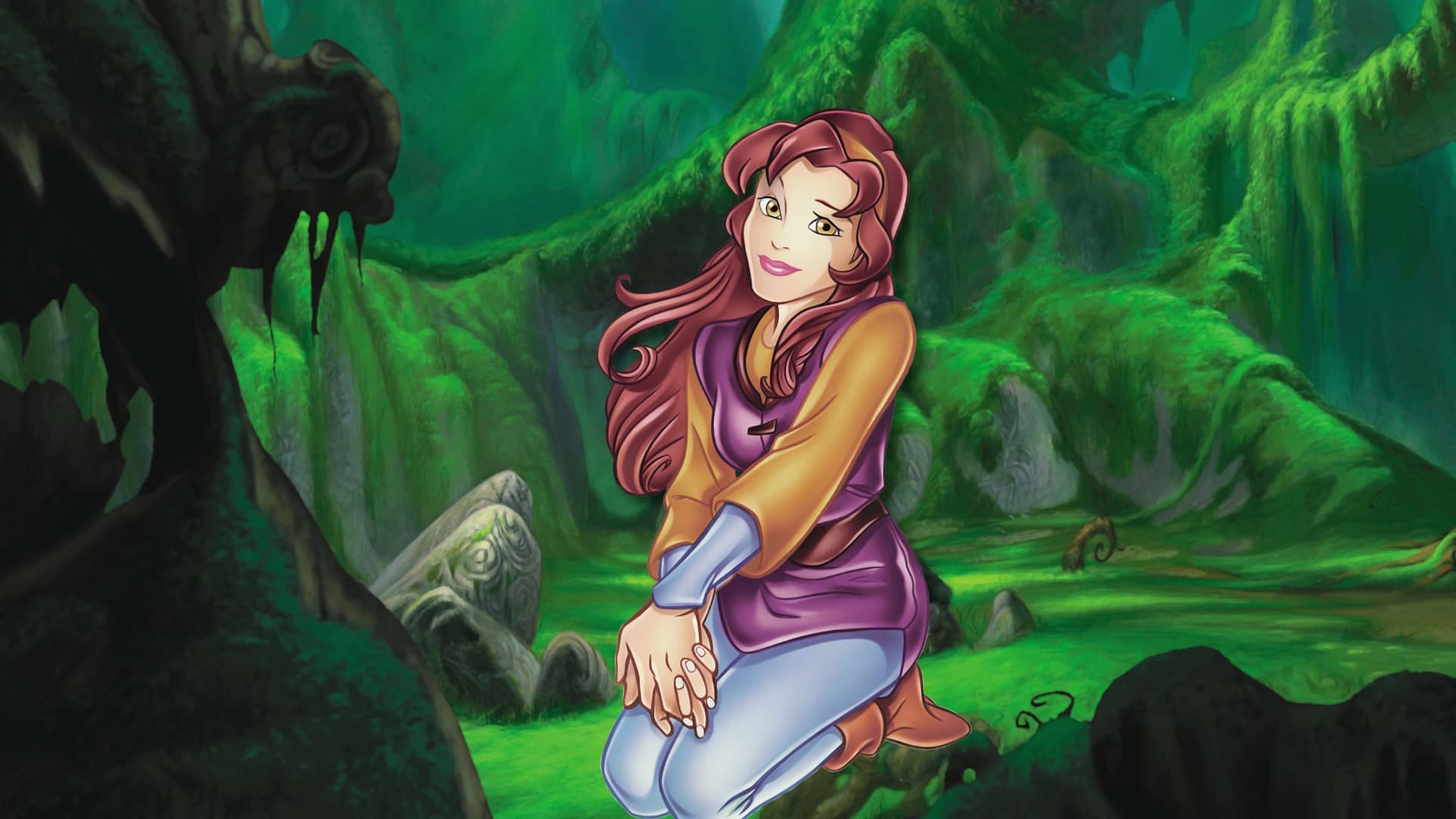
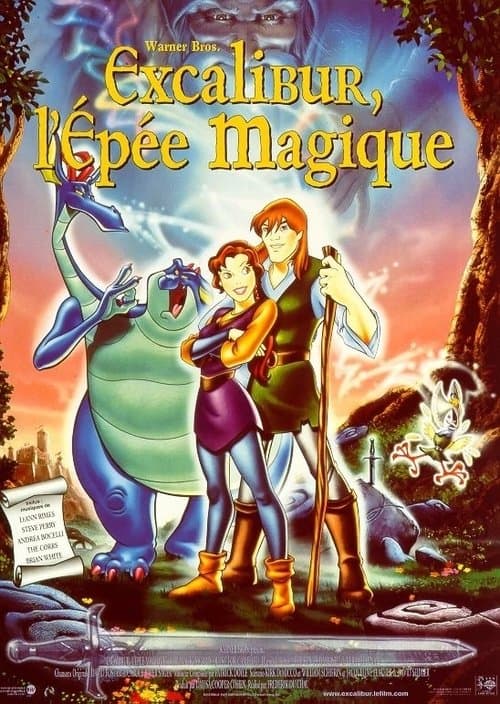
Quest for Camelot is an animated adventure film with a contrasting atmosphere, alternating between light-hearted sequences and frankly dark moments. A young girl sets out to find the magical sword Excalibur, stolen by a renegade knight who threatens King Arthur's kingdom. The film is aimed primarily at children from around six or seven years old, with some passages likely to disturb more sensitive viewers.
Violence
Violence is present from the opening minutes with the death of a virtuous knight, a brief scene but one without ambiguity that may surprise very young children. The main villain, Ruber, is particularly unsettling: he deliberately burns his hand with hot coals and appears to take pleasure in it, which constitutes the most disturbing image in the film. Monstrous creatures attack the characters in a hostile forest, and the final sequence sees Ruber disintegrate in quite a spectacular fashion. The violence remains within the codes of family animation and is never gratuitous, but it is more intense than what a general audience film typically accustoms viewers to.
Underlying Values
The film consistently defends the idea that an individual's worth does not depend on their physical abilities or conformity to a norm. The character of Garrett, who is blind, remains blind at the end of the film, which is a rare and significant narrative choice: his disability is not presented as an obstacle to overcome in order to be whole, but as an integral part of his identity and his strength. The cooperation and complementarity of the characters lie at the heart of the story, without any of them being presented as superior to the others. This is a solid structural message, which deserves to be highlighted with the child.
Parental and Family Portrayals
The relationship between the protagonist Kayley and her mother is central and portrayed positively, with the mother being an active and courageous character. The paternal figure is absent through death, which serves as the emotional driving force of the narrative. The father's loss is treated with restraint but it is clearly present, and some children who have experienced a similar loss may be sensitive to it.
Strengths
The film carries a message about disability with unusual maturity for the genre: by refusing to cure its blind character, it asserts that difference is not a problem to be solved. The female protagonist is determined and acts of her own accord, without waiting to be rescued. A few musical numbers are catchy and well-constructed. The film does not reach the narrative depth of the major animated productions of the same era, but it offers an honest adventure with clear and coherent moral intentions.
Age recommendation and discussion points
The film is suitable from around six years old, with caution for very sensitive children or those afraid of the dark and monstrous creatures, for whom seven or eight years is a more comfortable threshold. Two angles of discussion are worth pursuing after viewing: ask the child why Garrett did not regain his sight at the end, and what this says about the way we regard people who are different; and return to the death of Kayley's father to discuss what it means to honour the memory of someone we have lost.
Synopsis
During the times of King Arthur, Kayley is a brave girl who dreams of following her late father as a Knight of the Round Table. The evil Ruber wants to invade Camelot and take the throne of King Arthur, and Kayley has to stop him.
Where to watch
Availability checked on Apr 28, 2026
About this title
- Format
- Feature film
- Year
- 1998
- Runtime
- 1h 25m
- Countries
- United States of America
- Original language
- EN
- Directed by
- Frederik Du Chau
- Main cast
- Jessalyn Gilsig, Andrea Corr, Cary Elwes, Bryan White, Gary Oldman, Eric Idle, Don Rickles, Jane Seymour, Céline Dion, Pierce Brosnan
- Studios
- Warner Bros. Family Entertainment
Content barometer
- Violence2/5Moderate
- Fear3/5Notable tension
- Sexuality0/5None
- Language0/5None
- Narrative complexity2/5Moderate
- Adult themes0/5None
Values conveyed
- Courage
- Acceptance of difference
- Perseverance
- friendship
- teamwork