Thumbelina
Thumbelina
Your feedback improves this guide
Your feedback highlights guides that need a second look and keeps the rating trustworthy.
Does this age rating seem accurate to you?
Sign in to vote
Watch-outs
What this film brings
Content barometer
Violence
2/5
Moderate
Fear
2/5
A few scenes
Sexuality
1/5
Allusions
Language
0/5
None
Narrative complexity
1/5
Accessible
Adult themes
0/5
None
Expert review
This animated musical retells a romantic fairy tale in a magical setting that is mostly gentle, yet regularly interrupted by kidnappings and vulnerable situations. The main concerns are repeated abductions, threatening creatures such as toads, a beetle and a mole, and a heroine who is often powerless and reliant on others to escape danger. The intensity stays moderate and highly stylized, with no graphic violence or strong language, but the peril is frequent enough to unsettle younger children, especially because of repeated separations and pressure around unwanted marriage. The film may also include dated or repetitive gender stereotypes, particularly in the way ideal romance is framed and in how the heroine is often valued for beauty, sweetness and being rescued. Parents may want to watch alongside younger viewers, offer reassurance during the capture scenes, and talk afterwards about consent, independence and older fairy tale gender roles.
Synopsis
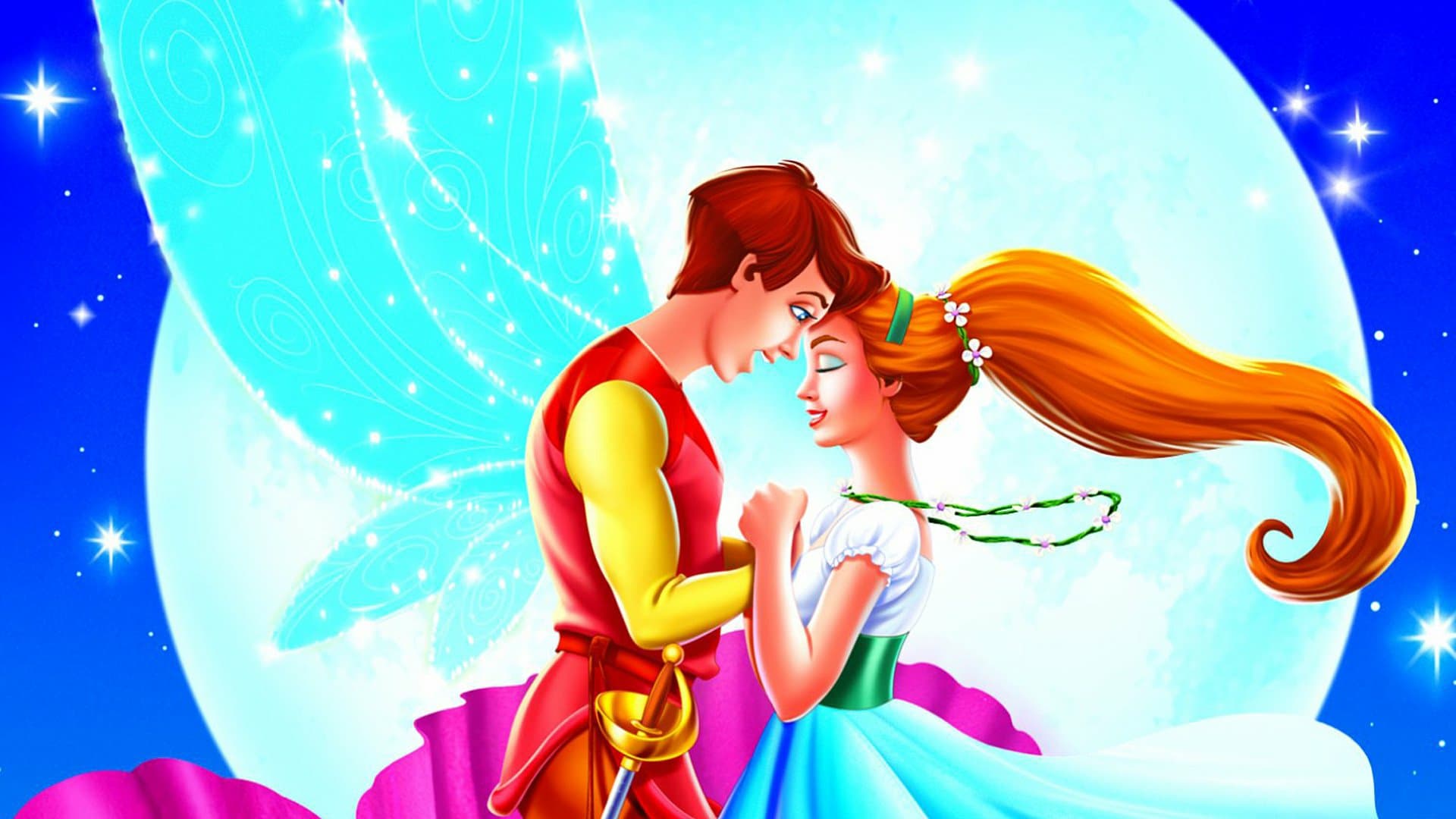
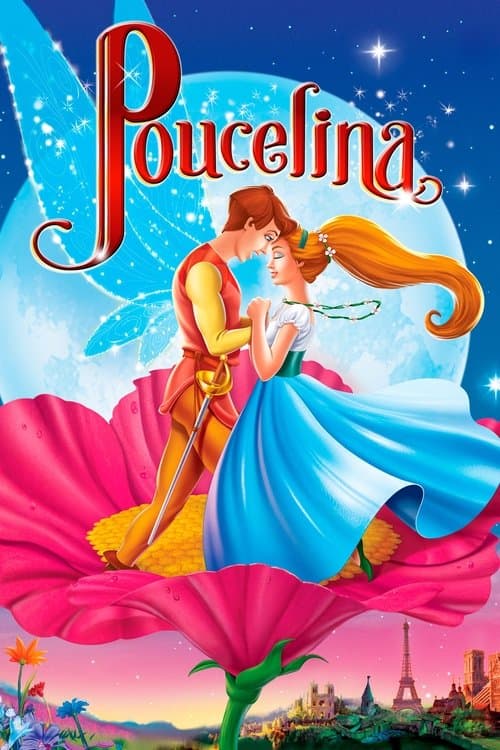
Born of a flower and growing to only a couple of inches tall, poor Thumbelina is worried she'll never meet someone her own size, until she happens to catch the eye of Prince Cornelius of the Fairies. Just as soon as she finds love, however, it's torn away when she's kidnapped by Ms. Toad. Now Thumbelina has to escape Ms. Toad's grasp and search for Prince Cornelius. Luckily, there's a whole city of animals willing to help.
Difficult scenes
Early in the story, Thumbelina is kidnapped in her sleep by toads who want to decide her romantic future for her. The scene is not graphic, but it can still be upsetting for sensitive children because she wakes up far from home with no control over what is happening. Another notable section shows Thumbelina being rejected or treated as undesirable by some of the animal characters, especially after being displayed and then discarded. This repeated humiliation may affect children who are especially sensitive to social exclusion or scenes in which a kind character is left alone and misunderstood. The winter section is more melancholic, with the heroine facing cold, isolation and a sense of fragile survival before she finds shelter. Even though the presentation stays within a musical fairy tale style, these moments can create sadness and real worry for younger viewers because her tiny size and vulnerability are constantly emphasized. The pressure placed on her to marry someone she does not choose may also unsettle some children, especially those who respond strongly to themes of coercion or personal freedom. The film treats this as part of a fairy tale plot, but the idea of an unwanted marriage is clear enough that some parents may want to provide context.
Where to watch
No verified platform for the US market yet. We keep this section updated as availability changes.
About this title
- Format
- Feature film
- Year
- 1994
- Runtime
- 1h 26m
- Countries
- United States of America, Ireland
- Original language
- EN
- Directed by
- Don Bluth, Gary Goldman
- Main cast
- Jodi Benson, Gino Conforti, Barbara Cook, Will Ryan, June Foray, Kenneth Mars, Gary Imhoff, Joe Lynch, Charo, Danny Mann
- Studios
- Don Bluth Entertainment, Don Bluth Ireland
Content barometer
Violence
2/5
Moderate
Fear
2/5
A few scenes
Sexuality
1/5
Allusions
Language
0/5
None
Narrative complexity
1/5
Accessible
Adult themes
0/5
None
Expert review
This animated musical retells a romantic fairy tale in a magical setting that is mostly gentle, yet regularly interrupted by kidnappings and vulnerable situations. The main concerns are repeated abductions, threatening creatures such as toads, a beetle and a mole, and a heroine who is often powerless and reliant on others to escape danger. The intensity stays moderate and highly stylized, with no graphic violence or strong language, but the peril is frequent enough to unsettle younger children, especially because of repeated separations and pressure around unwanted marriage. The film may also include dated or repetitive gender stereotypes, particularly in the way ideal romance is framed and in how the heroine is often valued for beauty, sweetness and being rescued. Parents may want to watch alongside younger viewers, offer reassurance during the capture scenes, and talk afterwards about consent, independence and older fairy tale gender roles.
Synopsis
Born of a flower and growing to only a couple of inches tall, poor Thumbelina is worried she'll never meet someone her own size, until she happens to catch the eye of Prince Cornelius of the Fairies. Just as soon as she finds love, however, it's torn away when she's kidnapped by Ms. Toad. Now Thumbelina has to escape Ms. Toad's grasp and search for Prince Cornelius. Luckily, there's a whole city of animals willing to help.
Difficult scenes
Early in the story, Thumbelina is kidnapped in her sleep by toads who want to decide her romantic future for her. The scene is not graphic, but it can still be upsetting for sensitive children because she wakes up far from home with no control over what is happening. Another notable section shows Thumbelina being rejected or treated as undesirable by some of the animal characters, especially after being displayed and then discarded. This repeated humiliation may affect children who are especially sensitive to social exclusion or scenes in which a kind character is left alone and misunderstood. The winter section is more melancholic, with the heroine facing cold, isolation and a sense of fragile survival before she finds shelter. Even though the presentation stays within a musical fairy tale style, these moments can create sadness and real worry for younger viewers because her tiny size and vulnerability are constantly emphasized. The pressure placed on her to marry someone she does not choose may also unsettle some children, especially those who respond strongly to themes of coercion or personal freedom. The film treats this as part of a fairy tale plot, but the idea of an unwanted marriage is clear enough that some parents may want to provide context.