
Pooh's Heffalump Movie
Does this age rating seem accurate to you?
Detailed parental analysis
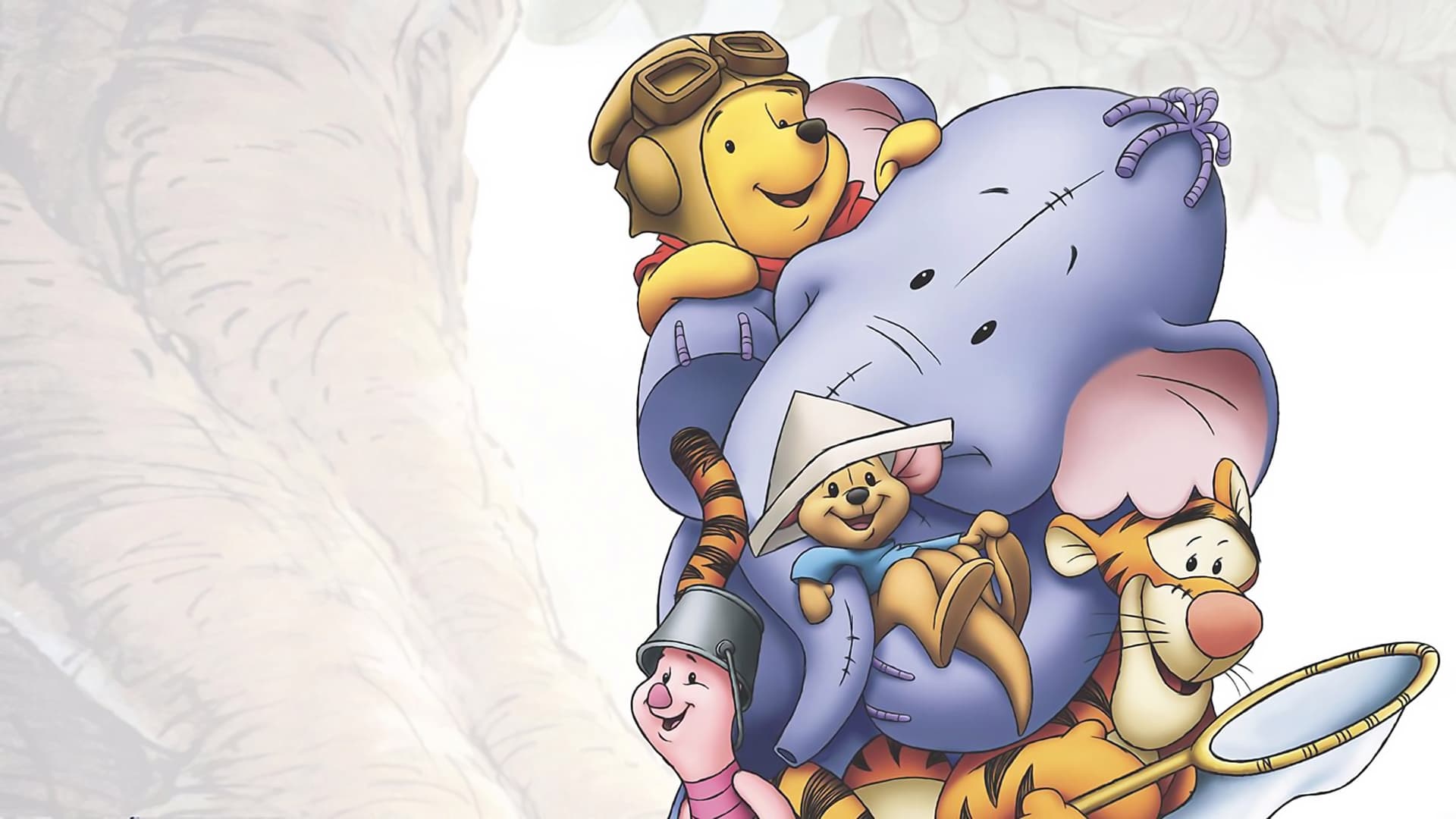
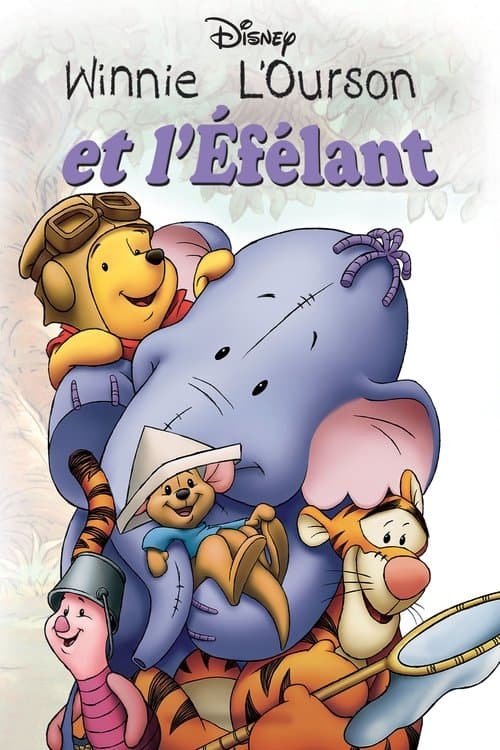
Winnie the Pooh and Lumpy is a cheerful and warm animated film, carried by a light and reassuring atmosphere typical of the Hundred Acre Wood universe. The plot follows Roo, a young curious child, who sets out to discover a Heffalump and forms an unexpected friendship with him, whilst the forest's adults are wary of this unknown creature. The film is primarily aimed at very young children, between three and six years old, with a duration and pace perfectly calibrated for this audience.
Underlying Values
The film builds its entire narrative around a simple and solid lesson: fear of the unknown is a natural reaction but often unjustified, and hasty judgement deprives us of precious encounters. This message is embodied in a concrete and straightforward way through the contrast between the adults, who succumb to their prejudices about Heffalumps, and Roo, who chooses to see for himself. The film also values the autonomy and initiative of the young child, capable of acting with good sense and courage where adults fail. One nuance merits noting: Kanga, the mother, is explicitly presented as possessing wisdom that the other characters do not have, which subtly introduces a hierarchy between adult knowledge and childhood enthusiasm, without the film truly interrogating it.
Parental and Family Portrayals
The maternal figure is central to the film. Kanga embodies a gentle, benevolent and wise authority, whose warnings prove well founded. This portrayal is positive and consistent with the intended audience. The friendship between Roo and Lumpy is, however, the true emotional engine of the narrative, and the film gives real weight to the mother-son relationship of Lumpy, notably in a scene where the young Heffalump, lost and anxious, cannot call his mother loudly enough. This sequence, the most emotionally charged in the film, may deeply touch sensitive young children, precisely because it echoes a universal childhood fear.
Violence
The film contains no actual physical violence. The traps, nets and snares set by the forest inhabitants remain in the realm of slapstick, without injury or dramatic consequence. A fall by Roo from a cliff is resolved without lasting tension. Loud noises, notably cries and trumpets associated with the frightening imaginary of Heffalumps, constitute the only element likely to startle a very young child or one particularly sensitive to sound stimulation.
Strengths
The film succeeds in addressing the question of otherness and fear of the other with an economy of means and sincerity that suit its young audience perfectly. The relationship between Roo and Lumpy is crafted with care, and the progression of their friendship avoids heavy-handed didacticism. The short duration of sixty-eight minutes is a genuine structural quality for nursery school children whose attention span is limited. The film radiates authentic emotional warmth that explains the moments of shared tenderness experienced by families watching together on screen.
Age recommendation and discussion points
The film is suitable from four years old, with particular attention for children very sensitive to loud sounds who may prefer to wait until five or six years old. After viewing, two angles of discussion present themselves naturally: ask the child why the forest's adults were afraid at the beginning, and whether he or she has ever been afraid of someone they did not yet know, and whether that fear disappeared once they knew them better.
Synopsis
Who or what exactly is a Heffalump? The lovable residents of the Hundred Acre Wood -- Winnie the Pooh, Rabbit, Tigger, Eeyore, Kanga and the rest of the pack -- embark on a journey of discovery in search of the elusive Heffalump. But as is always the case, this unusual road trip opens their eyes to so much more than just the creature they're seeking.
About this title
- Format
- Feature film
- Year
- 2005
- Runtime
- 1h 6m
- Countries
- United States of America
- Original language
- EN
- Studios
- DisneyToon Studios, Walt Disney Pictures
Content barometer
- Violence1/5Mild
- Fear2/5A few scenes
- Sexuality0/5None
- Language0/5None
- Narrative complexity0/5Simple
- Adult themes0/5None
Values conveyed
- Courage
- Friendship
- Acceptance of difference
- Compassion
- Autonomy
- empathy
- tolerance