Guillermo del Toro's Pinocchio
Guillermo del Toro's Pinocchio
Your feedback improves this guide
Your feedback highlights guides that need a second look and keeps the rating trustworthy.
Does this age rating seem accurate to you?
Sign in to vote
Watch-outs
What this film brings
Content barometer
Violence
3/5
Notable
Fear
3/5
Notable tension
Sexuality
0/5
None
Language
1/5
Mild
Narrative complexity
3/5
Complex
Adult themes
2/5
Present
Expert review
This stop-motion version of Pinocchio is visually beautiful, but it is much darker and more melancholy than most family adaptations of the story. The film includes parental grief, several clear on screen deaths, a wartime and fascist setting, intimidation, and repeated moments where Pinocchio is rejected, manipulated, or placed in real danger by adults. The stylized animation softens the graphic impact somewhat, but these elements are frequent and emotionally heavy, with several scenes that can unsettle or sadden younger children. I would not recommend it as a first Pinocchio for a 4 year old, because it asks for real emotional maturity around death, loss, and injustice. For children around 9 or 10 and up, it works better with an adult present who can talk through the grief, the war context, and the difference between dark imagery and actual danger in a fantasy story.
Synopsis
During the rise of fascism in Mussolini's Italy, a wooden boy brought magically to life struggles to live up to his father's expectations.
Difficult scenes
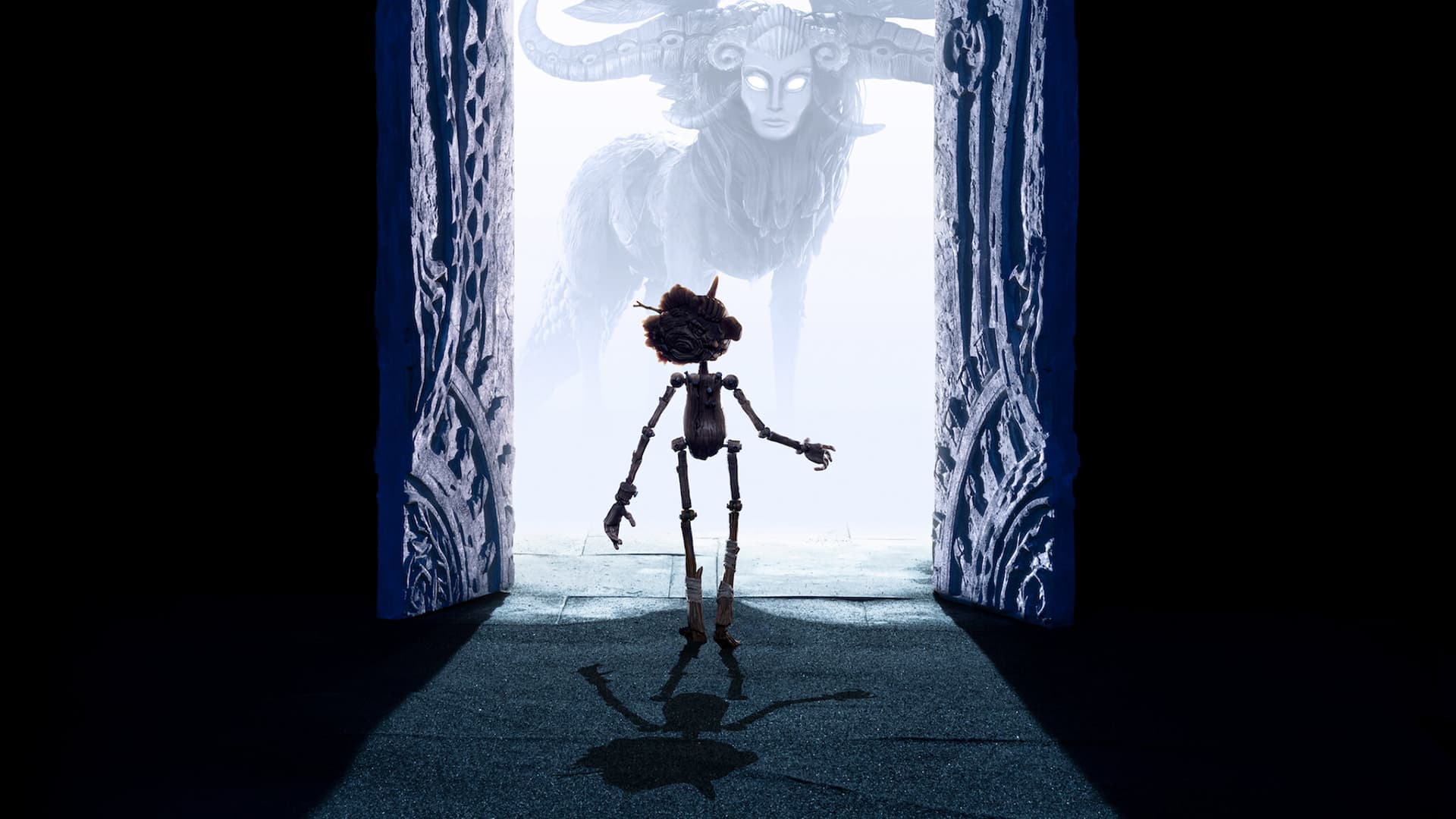
The opening is especially heavy emotionally. A child dies during a wartime bombing, and the scene sets up Geppetto's lasting grief, with crying, drinking, and a deep sense of loss that may strongly affect children who are sensitive to stories about death. Several scenes show Pinocchio being treated harshly by adults who want to exploit or control him. He is manipulated by a circus owner, rejected or insulted at times, and later viewed as useful for war, which can be upsetting for young viewers who easily identify with him. The film includes several deaths and resurrections for Pinocchio, along with repeated visits to the afterlife. These scenes are not gory, but they clearly show him dying and then meeting a figure connected to Death in a strange, dark, symbolic world that may frighten some children. The military training camp section is tense and sad. Children are prepared for war, an authoritarian father puts severe pressure on his son, and the fascist context creates an oppressive atmosphere that goes beyond a simple children's adventure. Alcohol is also shown clearly, especially in Geppetto's grief. It is not glamorized, but the image of a drunk and desperate adult may raise difficult questions for younger children and adds to the film's somber tone.
Where to watch
No verified platform for the US market yet. We keep this section updated as availability changes.
Availability checked on Apr 01, 2026
About this title
- Format
- Feature film
- Year
- 2022
- Runtime
- 2h 1m
- Countries
- United States of America
- Original language
- EN
- Directed by
- Mark Gustafson, Guillermo del Toro
- Main cast
- Ewan McGregor, David Bradley, Gregory Mann, Burn Gorman, Ron Perlman, John Turturro, Finn Wolfhard, Cate Blanchett, Tim Blake Nelson, Christoph Waltz
- Studios
- The Jim Henson Company, ShadowMachine, Double Dare You
Content barometer
Violence
3/5
Notable
Fear
3/5
Notable tension
Sexuality
0/5
None
Language
1/5
Mild
Narrative complexity
3/5
Complex
Adult themes
2/5
Present
Expert review
This stop-motion version of Pinocchio is visually beautiful, but it is much darker and more melancholy than most family adaptations of the story. The film includes parental grief, several clear on screen deaths, a wartime and fascist setting, intimidation, and repeated moments where Pinocchio is rejected, manipulated, or placed in real danger by adults. The stylized animation softens the graphic impact somewhat, but these elements are frequent and emotionally heavy, with several scenes that can unsettle or sadden younger children. I would not recommend it as a first Pinocchio for a 4 year old, because it asks for real emotional maturity around death, loss, and injustice. For children around 9 or 10 and up, it works better with an adult present who can talk through the grief, the war context, and the difference between dark imagery and actual danger in a fantasy story.
Synopsis
During the rise of fascism in Mussolini's Italy, a wooden boy brought magically to life struggles to live up to his father's expectations.
Difficult scenes
The opening is especially heavy emotionally. A child dies during a wartime bombing, and the scene sets up Geppetto's lasting grief, with crying, drinking, and a deep sense of loss that may strongly affect children who are sensitive to stories about death. Several scenes show Pinocchio being treated harshly by adults who want to exploit or control him. He is manipulated by a circus owner, rejected or insulted at times, and later viewed as useful for war, which can be upsetting for young viewers who easily identify with him. The film includes several deaths and resurrections for Pinocchio, along with repeated visits to the afterlife. These scenes are not gory, but they clearly show him dying and then meeting a figure connected to Death in a strange, dark, symbolic world that may frighten some children. The military training camp section is tense and sad. Children are prepared for war, an authoritarian father puts severe pressure on his son, and the fascist context creates an oppressive atmosphere that goes beyond a simple children's adventure. Alcohol is also shown clearly, especially in Geppetto's grief. It is not glamorized, but the image of a drunk and desperate adult may raise difficult questions for younger children and adds to the film's somber tone.