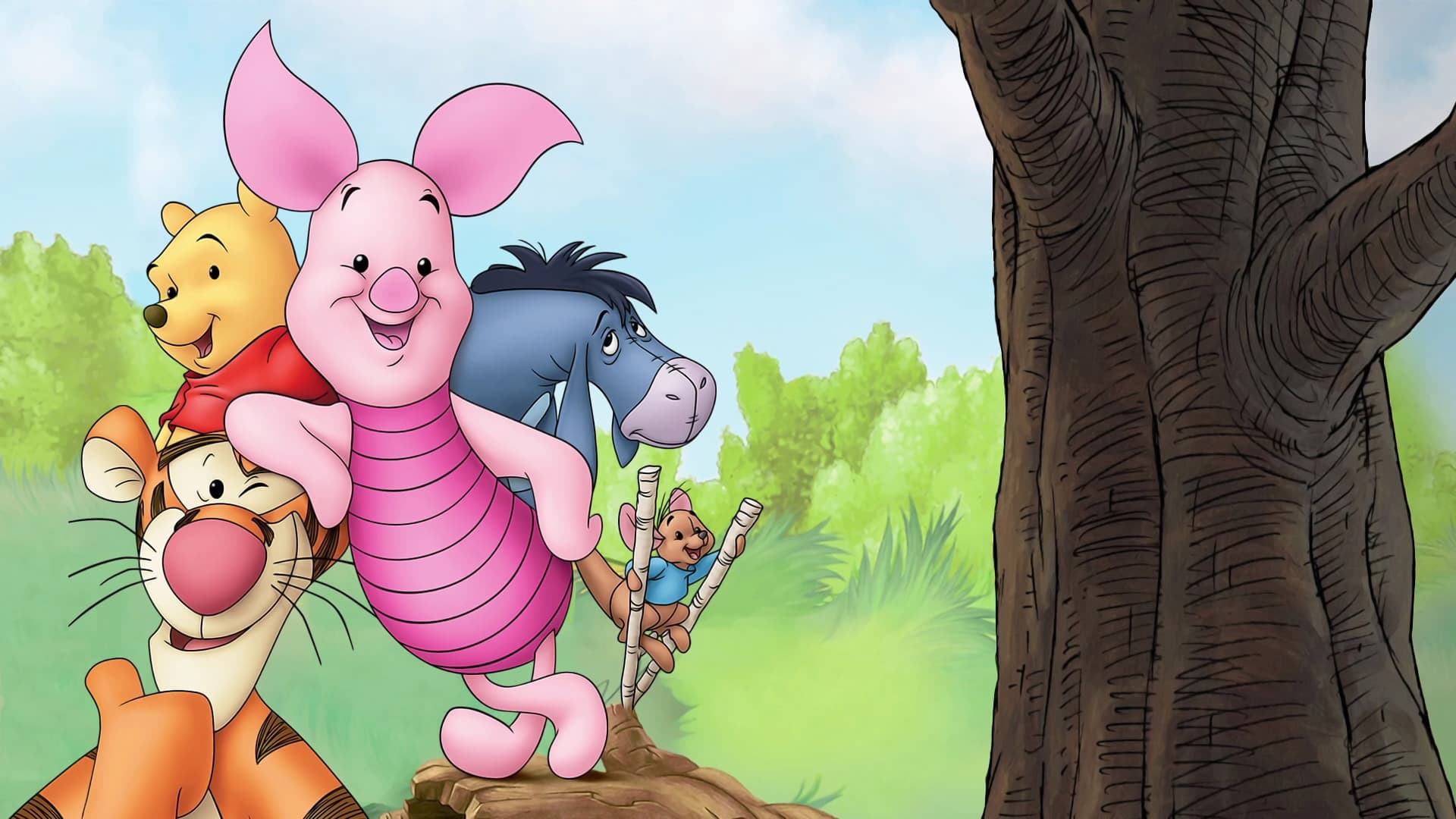
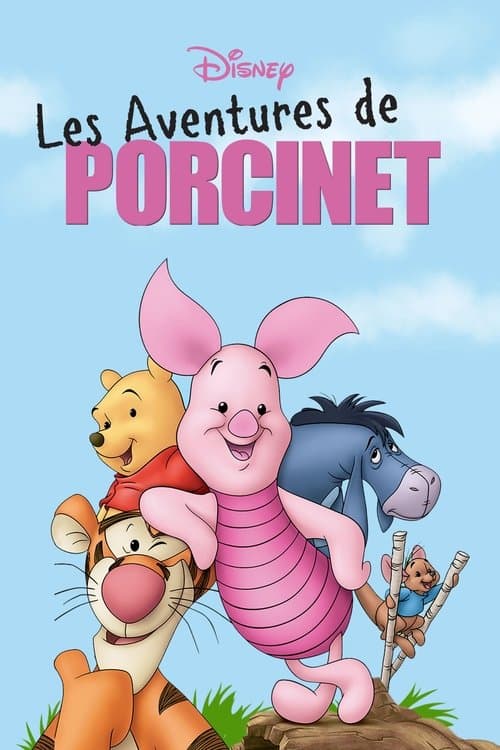
Piglet's Big Movie
Does this age rating seem accurate to you?
Detailed parental analysis
Winnie the Pooh: The Sweetest Thing is a Disney animated film with a warm and subtly melancholic atmosphere, carried by a gentle tone and settings inspired by the world of Winnie the Pooh. The story follows Piglet, often overshadowed by his friends, who finds himself alone and must summon bravery to come to their rescue. The film is primarily aimed at young children, but its emotional register also resonates with parents who grew up with these characters.
Underlying Values
The narrative builds a clear and compelling message: an individual's worth is not measured by their size or apparent strength, but by their courage and attentive presence towards those they love. Piglet embodies a form of quiet heroism, made up of small regular actions that his friends failed to notice before he disappeared. The film subtly invites reflection on recognition: how many people around us go unnoticed because they do not make a fuss? This is an angle of considerable richness for conversation after viewing. The valorisation of genuine friendship and gratitude transcends the register of a simple children's tale.
Violence
The film contains no violence in the strict sense, but presents two sequences of physical tension that may alarm the youngest viewers: aggressive bees pursue the characters on two occasions, and crows attack Piglet in a scene identified as potentially frightening for children under four years old. A fall down a waterfall created by the characters generates a moment of false disappearance which produces strong emotion, even if the resolution is swift and reassuring. These sequences remain brief and without actual violence, but they merit being anticipated for very sensitive children.
Strengths
The film draws its strength from its deliberate simplicity: it does not seek to be spectacular and prefers genuine emotion to overflowing action. The structure presented as illustrated memories, which traces Piglet's past adventures through a notebook of drawings, is an elegant and accessible narrative idea for a young audience. The character of Piglet, ordinarily relegated to the background in Winnie the Pooh stories, receives treatment here that does him full justice and gives the film a rare emotional sincerity within productions of this format. For parents, it is also a film that gently broaches the question of gratitude towards those who are always there without ever complaining.
Age recommendation and discussion points
The film is fully suitable from age four onwards, with a note of caution for very young or sensitive children regarding scenes of mild tension, particularly the bee chases and the crow attack. After viewing, two natural angles for discussion present themselves: ask the child whether among his friends or family there is someone whose support he appreciates without always saying so, and explore with him what it means to be brave when one is afraid.
Synopsis
When the gang from the Hundred Acre Wood begin a honey harvest, young Piglet is excluded and told that he is too small to help. Feeling inferior, Piglet disappears and his pals Eeyore, Rabbit, Tigger, Roo and Winnie the Pooh must use Piglet's scrapbook as a map to find him. In the process they discover that this very small animal has been a big hero in a lot of ways.
About this title
- Format
- Feature film
- Year
- 2003
- Runtime
- 1h 15m
- Countries
- United States of America
- Original language
- EN
- Directed by
- Francis Glebas
- Main cast
- John Fiedler, Jim Cummings, Nikita Hopkins, Ken Sansom, Peter Cullen, Kath Soucie, Andre Stojka, Tom Wheatley
- Studios
- Disney Television Animation, Walt Disney Pictures, DisneyToon Studios
Content barometer
- Violence1/5Mild
- Fear2/5A few scenes
- Sexuality0/5None
- Language0/5None
- Narrative complexity1/5Accessible
- Adult themes0/5None