
Peter & the Wolf
Peter & the Wolf
Your feedback improves this guide
Your feedback highlights guides that need a second look and keeps the rating trustworthy.
Does this age rating seem accurate to you?
Sign in to vote
Watch-outs
What this film brings
Content barometer
Violence
2/5
Moderate
Fear
3/5
Notable tension
Sexuality
0/5
None
Language
0/5
None
Narrative complexity
0/5
Simple
Adult themes
0/5
None
Expert review
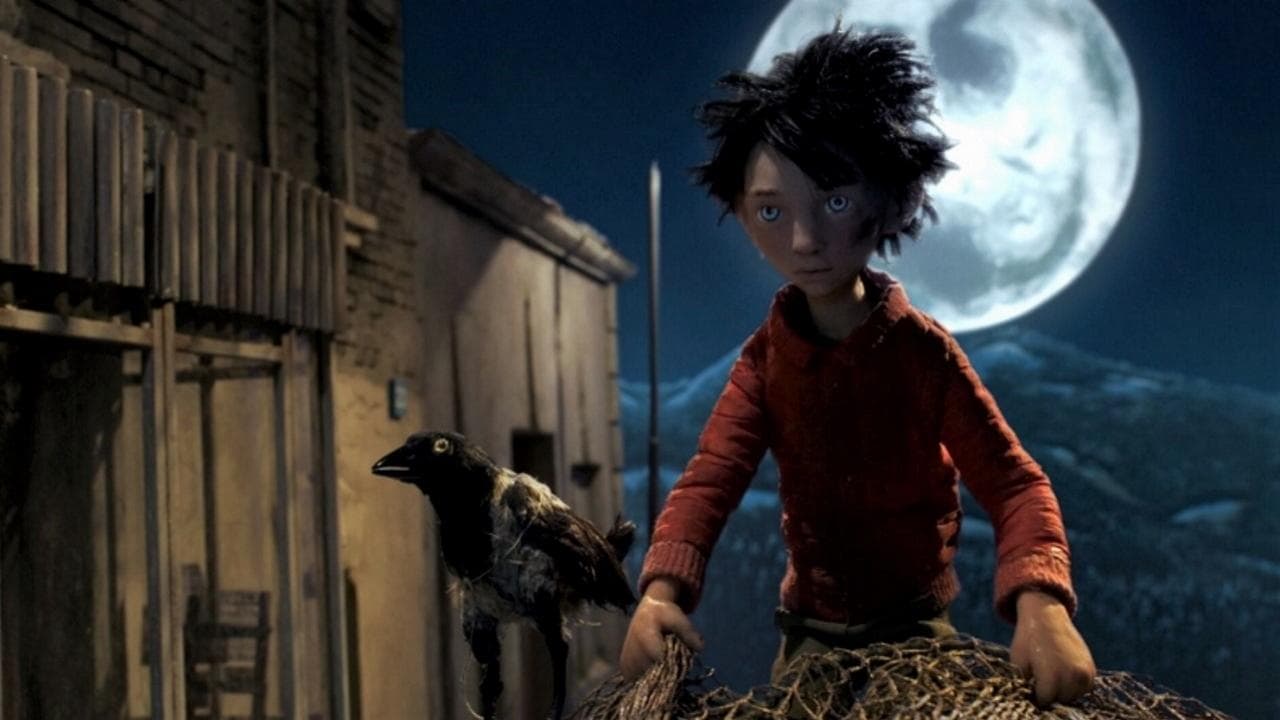
This stop-motion short adapts the musical tale with striking visuals, but its mood is harsher and sadder than many child friendly versions. It shows a neglected and isolated boy, bullying from adults, a genuinely threatening wolf, and an animal being swallowed in a predation scene that young viewers can easily understand. The emotional darkness runs through much of the film, even though the violence is stylized and not graphic, so the impact often comes more from the atmosphere than from explicit imagery. For sensitive children, the feelings of loneliness, unfairness, and danger may be more upsetting than the adventure elements themselves. I would recommend it more around age 8, ideally with an adult present if the child is easily affected by animals in peril, hostile grown ups, or melancholy stories.
Synopsis
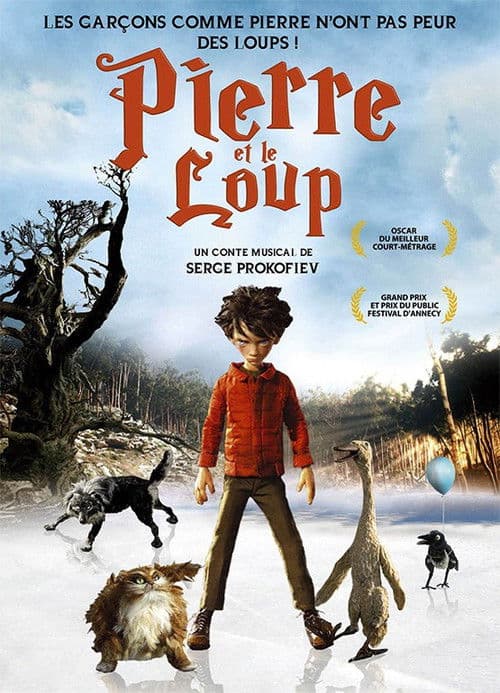
Peter is a slight lad, solitary, locked out of the woods by his protective grandfather, his only friend a duck. In town, he's bullied. When a wolf menaces the duck - as well as grandfather's fat cat and an ill-flying bird that Peter has befriended - Peter bravely tries to tree the wolf. Grandfather, the townspeople, and the hunters who have antagonized Peter figure in the dénouement.
Difficult scenes
At the beginning, Peter is shown as a dirty, hungry child shut into a freezing and miserable environment by a harsh and unsettling grandfather. This setup may disturb young children because it presents neglect and deep sadness before the wolf storyline even begins. Peter is also targeted by men from the town who physically intimidate and humiliate him. The moment when he is forced away and thrown into a rubbish bin is brief, but it can feel upsetting for children who are sensitive to bullying or injustice toward a child. When the wolf appears, the tension rises sharply and several animals are in immediate danger. The scene where the duck is swallowed is a major emotional moment, not graphic, but clear enough to bring sadness, fear, or questions about death and survival. The confrontation with the wolf carries a real sense of danger, with pursuit, attack, and believable risk for Peter and the animals. Even with the artistic visual style, the emotional intensity of these scenes is stronger than in a gentle preschool adventure.
Where to watch
No verified platform for the US market yet. We keep this section updated as availability changes.
About this title
- Format
- Short film
- Year
- 2006
- Runtime
- 41m
- Countries
- Poland
- Original language
- EN
- Directed by
- Suzie Templeton
- Studios
- Se-Ma-For, Breakthru Films
Content barometer
Violence
2/5
Moderate
Fear
3/5
Notable tension
Sexuality
0/5
None
Language
0/5
None
Narrative complexity
0/5
Simple
Adult themes
0/5
None
Expert review
This stop-motion short adapts the musical tale with striking visuals, but its mood is harsher and sadder than many child friendly versions. It shows a neglected and isolated boy, bullying from adults, a genuinely threatening wolf, and an animal being swallowed in a predation scene that young viewers can easily understand. The emotional darkness runs through much of the film, even though the violence is stylized and not graphic, so the impact often comes more from the atmosphere than from explicit imagery. For sensitive children, the feelings of loneliness, unfairness, and danger may be more upsetting than the adventure elements themselves. I would recommend it more around age 8, ideally with an adult present if the child is easily affected by animals in peril, hostile grown ups, or melancholy stories.
Synopsis
Peter is a slight lad, solitary, locked out of the woods by his protective grandfather, his only friend a duck. In town, he's bullied. When a wolf menaces the duck - as well as grandfather's fat cat and an ill-flying bird that Peter has befriended - Peter bravely tries to tree the wolf. Grandfather, the townspeople, and the hunters who have antagonized Peter figure in the dénouement.
Difficult scenes
At the beginning, Peter is shown as a dirty, hungry child shut into a freezing and miserable environment by a harsh and unsettling grandfather. This setup may disturb young children because it presents neglect and deep sadness before the wolf storyline even begins. Peter is also targeted by men from the town who physically intimidate and humiliate him. The moment when he is forced away and thrown into a rubbish bin is brief, but it can feel upsetting for children who are sensitive to bullying or injustice toward a child. When the wolf appears, the tension rises sharply and several animals are in immediate danger. The scene where the duck is swallowed is a major emotional moment, not graphic, but clear enough to bring sadness, fear, or questions about death and survival. The confrontation with the wolf carries a real sense of danger, with pursuit, attack, and believable risk for Peter and the animals. Even with the artistic visual style, the emotional intensity of these scenes is stronger than in a gentle preschool adventure.